OpenAI IPO Set for 2027 as CFO Sarah Friar Reveals $40 Billion Revenue Run Rate to Employees


2 Sources
[1]
OpenAI 'will be a public company in 2027' or sooner, CFO Friar tells employees
Follow your favorite stocksCREATE FREE ACCOUNT Sarah Friar, CFO of OpenAI, appears on CNBC's Squawk Box on Aug. 20, 2025. CNBC OpenAI CFO Sarah Friar told employees during an all-hands meeting on Wednesday that the artificial intelligence lab "will be a public company in 2027," but that it could
[2]
OpenAI CFO Sarah Friar says IPO is coming in 2027
During the meeting, Friar walked employees through a set of slides: revenue run rate had climbed 35% quarter to date, enterprise revenue run rate was up 50% over the same period, and the company's AI coding and work product was drawing 20 million weekly active users. OpenAI told investors it
Share
Copy Link
OpenAI CFO Sarah Friar told employees the company will become a public company in 2027, potentially sooner if business momentum continues. The AI lab now carries an $852 billion valuation with revenue doubling to $40 billion annualized, while enterprise revenue surged 50% quarter-over-quarter.
OpenAI CFO Confirms IPO Timeline
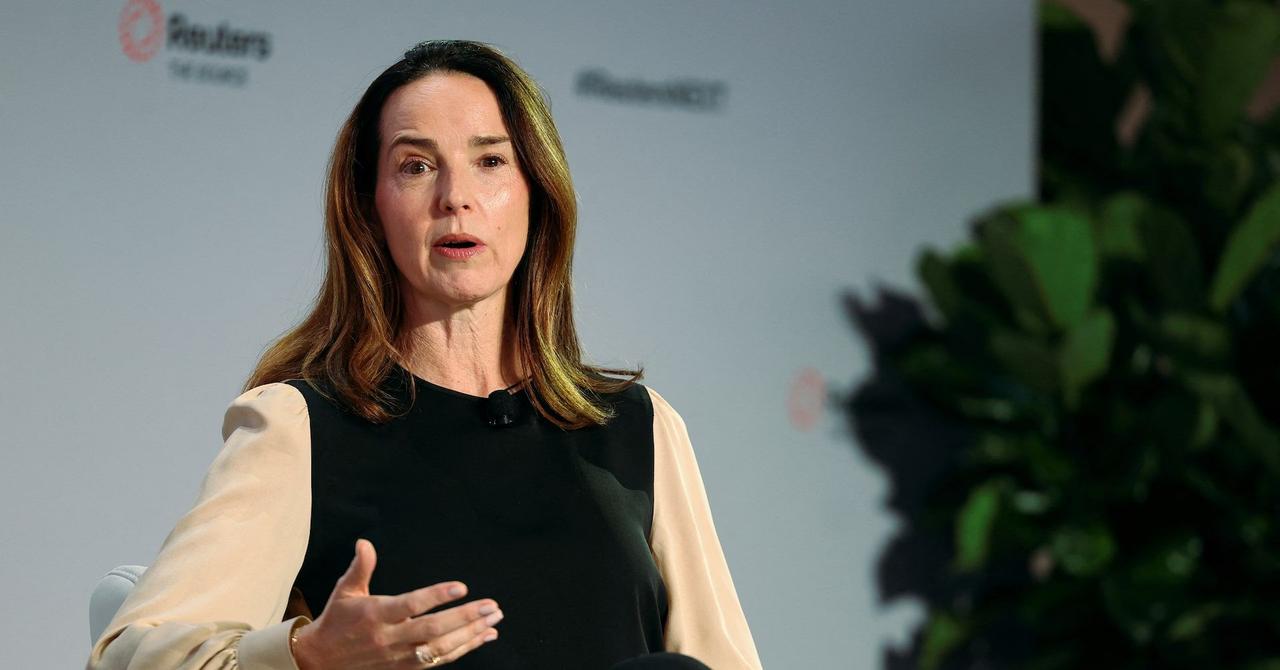
OpenAI Chief Financial Officer Sarah Friar told employees during an internal meeting on Wednesday that the artificial intelligence lab will become a public company in 2027, though the timeline could accelerate if business performance continues its current trajectory
1
. Speaking at an all-hands gathering, Friar emphasized that the OpenAI IPO represents a milestone rather than a finish line, positioning it as another opportunity to raise additional capital beyond the company's massive $122 billion funding round in March1
.The announcement comes as OpenAI carries a current valuation of $852 billion and has already filed its IPO prospectus with the SEC under confidential cover in June
2
. At the time of that filing, the company maintained flexibility on timing, stating it had not decided on a specific date but wanted the option to go public sooner if conditions proved favorable2
.Financial Growth Accelerates Across Key Metrics
During the meeting, Sarah Friar presented compelling financial positioning data that underscores why the AI industry leader feels confident about its public market debut. The revenue run rate has climbed 35% quarter to date, while enterprise revenue run rate has surged an impressive 50% over the same period
2
. These figures demonstrate sustained momentum in converting businesses to OpenAI's platform.OpenAI recently topped an annualized revenue run rate of $40 billion, roughly double its run rate at the close of 2025
2
. The company generated $6.7 billion in revenue for the second quarter alone, representing 18% growth from the first quarter2
. This acceleration in financial growth positions OpenAI as one of the fastest-scaling technology companies in recent history.Product Adoption Drives Revenue Expansion
Beyond top-line revenue figures, OpenAI's AI coding and work products have attracted 20 million weekly active users
2
. This user engagement metric signals strong product-market fit and suggests the company has built sustainable demand beyond early adopter enthusiasm. The enterprise revenue surge of 50% particularly matters for long-term stability, as business customers typically sign multi-year contracts with higher retention rates than consumer users.The combination of consumer adoption and enterprise momentum creates multiple revenue streams that could appeal to public market investors seeking diversified AI exposure. Watch how OpenAI balances these segments as it prepares financial disclosures required for public companies.
Related Stories
Strategic Implications of Going Public
Friar's framing of the OpenAI IPO as "another fundraise" rather than an endpoint reveals strategic thinking about the company's capital needs
1
. Despite raising $122 billion earlier this year, the company appears to view public markets as a mechanism for ongoing capital access rather than a one-time event1
. This approach aligns with the capital-intensive nature of AI development, where compute costs and research investments require sustained funding.The flexibility to accelerate the timeline if business continues to inflect suggests OpenAI is monitoring market conditions and internal metrics closely
1
. Speculation in the AI industry centers on whether the company will wait for regulatory clarity around AI governance or move quickly to capitalize on current market enthusiasm for artificial intelligence stocks. The confidential SEC filing gives OpenAI the operational flexibility to choose its moment while maintaining competitive secrecy around detailed financials until required disclosure.References
Summarized by

Navi
Related Stories
OpenAI files confidential IPO targeting $1 trillion valuation as AI industry faces crucial test
09 Jun 2026•Business and Economy

OpenAI races toward fourth-quarter IPO as AI companies face profitability pressure
30 Jan 2026•Business and Economy

OpenAI leans toward 2027 IPO as SpaceX volatility and valuation concerns reshape public listing timeline
26 Jun 2026•Business and Economy

Recent Highlights



Recent Highlights
Today's Top Stories







Don’t drown in AI news. We cut through the noise - filtering, ranking and summarizing the most important AI news, breakthroughs and research daily. Follow topics that matter to you and stay ahead.


