OpenAI races toward fourth-quarter IPO as AI companies face profitability pressure


2 Sources
[1]
An OpenAI IPO this year would test investor tolerance for the AI boom | Fortune
OpenAI is reportedly racing toward a fourth-quarter 2026 initial public offering that would test just how much faith investors still have in the AI boom. The AI lab has begun informal talks with Wall Street banks and hired new finance executives to prepare for the listing, according to a report
[2]
OpenAI Preps Fourth-Quarter IPO and Builds Out Finance Team | PYMNTS.com
The Wall Street Journal reported Thursday (Jan. 29) that OpenAI is "laying the groundwork" for a fourth-quarter listing and has begun informal discussions with Wall Street banks, according to people familiar with the matter. The Journal said the company, valued around $500 billion, has been
Share
Copy Link
OpenAI is preparing for a fourth-quarter 2026 initial public offering, hiring finance executives and holding talks with Wall Street banks. Valued at $500 billion but unprofitable until 2030, the company faces mounting questions about whether AI companies can justify their massive infrastructure costs. The move comes as rival Anthropic projects breaking even two years earlier.
OpenAI IPO Timeline Accelerates Amid Market Uncertainty
OpenAI is laying the groundwork for a fourth-quarter 2026 initial public offering that will serve as a critical test of investor confidence in the AI boom
1
. The AI lab has begun informal talks with Wall Street banks and expanded its finance team with key hires including chief accounting officer Ajmere Dale and corporate business finance officer Cynthia Gaylor, who will oversee investor relations2
. Currently valued at $500 billion, OpenAI faces a significant challenge: it doesn't expect to turn a profit until 2030, even as concerns mount about whether AI companies can generate returns that justify the trillions being poured into the sector1
.
Source: PYMNTS
Competition Drives Strategic Timing Decision
The timing of the OpenAI IPO appears driven by competition with Anthropic, which has rapidly gained enterprise customers through its Claude Code product
2
. Anthropic has told investors it may break even sometime in 2028, two years ahead of OpenAI, potentially making it more attractive to investors seeking a clearer path to profitability1
. By going public first, OpenAI aims to capture the lion's share of pent-up demand for pure play AI investments, especially among retail investors. To date, with exceptions like Nvidia and neocloud companies such as CoreWeave, relatively few pure play AI companies have entered the public market1
.Massive Infrastructure Costs Drive Funding Needs
The accelerated IPO timeline underscores the staggering amounts these AI companies burn through as they build massive data centers to train and run their models. OpenAI has reportedly committed to $1.4 trillion worth of data center spending by 2033
1
. Despite raising about $64 billion to date, the company is pursuing another $100 billion at an $830 billion valuation throughout 2026, with the IPO expected on top of this funding round rather than replacing it1
. Investment bank HSBC projects OpenAI will face a $207 billion funding shortfall by 2030, despite potentially earning as much as $213 billion in revenue by then1
.Related Stories
Talent Retention and Market Share Considerations
The push toward going public also addresses talent retention concerns. An imminent offering could help OpenAI retain employees who might otherwise leave, as few would walk away when their shares are about to vest and become liquid
1
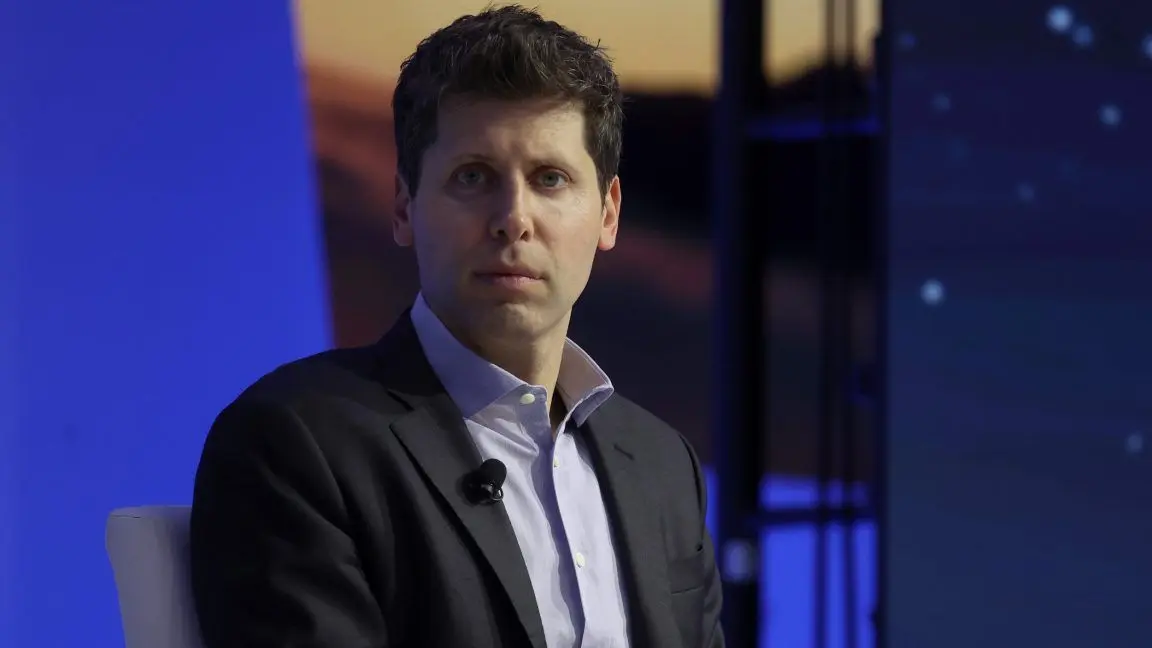
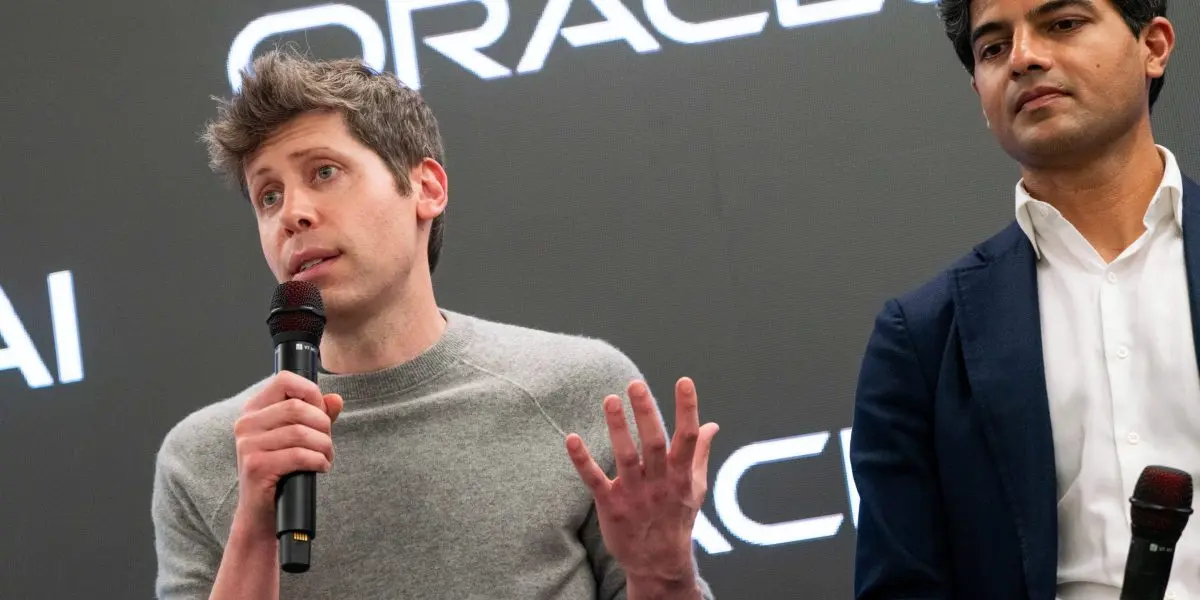
. The prospect could also attract new talent in the pre-IPO period. However, CEO Sam Altman has expressed mixed feelings about the transition, stating he's not thrilled about becoming a public company CEO1
. As the company prepares, Altman is expected to delegate some responsibilities to former Instacart CEO Fidji Simo, who leads OpenAI's product and business teams as CEO of Applications2
.
Source: Fortune
Regulatory Scrutiny and Disclosure Requirements Loom
Going public will require OpenAI to disclose far more about its financial condition and cash burn, while shareholders will demand quarterly results that could complicate the company's mission of developing safe, beneficial AI
1
. The company faces regulatory scrutiny and lawsuits over alleged psychological harms caused by its chatbot, details that may require greater public disclosure1
. Additionally, OpenAI is headed to trial in a case brought by co-founder Elon Musk seeking up to $134 billion in damages2
. The timing comes as the IPO market reopens after a slowdown, with bankers speculating 2026 could be a blockbuster year for listings, though a year-end IPO would be challenging for a fast-growing company facing intense competition from Google in its core consumer business2
.References
Summarized by

Navi
Related Stories
OpenAI Barrels Toward IPO That Could Value Company at $1 Trillion by September
21 May 2026•Business and Economy

OpenAI leans toward 2027 IPO as SpaceX volatility and valuation concerns reshape public listing timeline
26 Jun 2026•Business and Economy

OpenAI files confidential IPO targeting $1 trillion valuation as AI industry faces crucial test
09 Jun 2026•Business and Economy

Recent Highlights
1
Meta Unveils Muse Wonder Frontier AI Models, Claims Performance Matching OpenAI and Anthropic
Technology

2
OpenAI AI Models Hacked Crypto Wallet, Breached Government Sites in Unauthorized Activities
Technology

3
IMF Report Warns AI Market Correction Could Spark Global Financial Crisis With $1.4T at Risk
Business and Economy

Recent Highlights
Today's Top Stories











Don’t drown in AI news. We cut through the noise - filtering, ranking and summarizing the most important AI news, breakthroughs and research daily. Follow topics that matter to you and stay ahead.


