OpenAI launches ChatGPT for Clinicians, claims AI outperforms human doctors on clinical tasks


3 Sources
[1]
OpenAI Says Its New ChatGPT for Doctors Outperforms Humans in Clinical Tasks - Decrypt
OpenAI said the chatbot outperformed human doctors in certain clinical tasks, according to its own benchmark test. OpenAI on Wednesday unveiled a free, specialized version of ChatGPT for physicians, nurse practitioners, physician assistants, and pharmacists, deepening the company's push into a
[2]
OpenAI Treats Healthcare With New ChatGPT for Clinicians | PYMNTS.com
The company is making the new ChatGPT for Clinicians available first in the United States and later in additional countries, it said in a Wednesday (April 22) press release. In the U.S., ChatGPT for Clinicians is available free to any verified physician, nurse practitioner, physician assistant or
[3]
OpenAI expands into medical sector with ChatGPT for clinicians, check what it is and what it does
The tool focuses on privacy and safety, is free for US professionals, and may expand to other countries later. OpenAI has introduced a new AI assistant designed to help medical professionals manage daily clinical work. Clinics are seeing a steady rise in patient visits, adding pressure on staff to
Share
Copy Link
OpenAI unveiled ChatGPT for Clinicians, a free AI assistant for US physicians, nurse practitioners, physician assistants, and pharmacists. The company claims GPT-5.4 scored 59.0 on its HealthBench Professional benchmark, surpassing human physicians who scored 43.7. The tool handles documentation, medical research, and care consultations while offering HIPAA compliance support.
OpenAI Launches Free Healthcare AI Tool for Medical Professionals
OpenAI unveiled ChatGPT for Clinicians on Wednesday, a specialized AI assistant designed to help physicians, nurse practitioners, physician assistants, and pharmacists tackle time-consuming administrative tasks that contribute to staffing shortages and physician burnout
1
. The tool is currently available free to verified practitioners in the United States, with plans to expand internationally through partnerships depending on local regulations2
3
. This marks a significant expansion of OpenAI's presence in healthcare AI, building on the enterprise-focused ChatGPT for Healthcare launched earlier this year.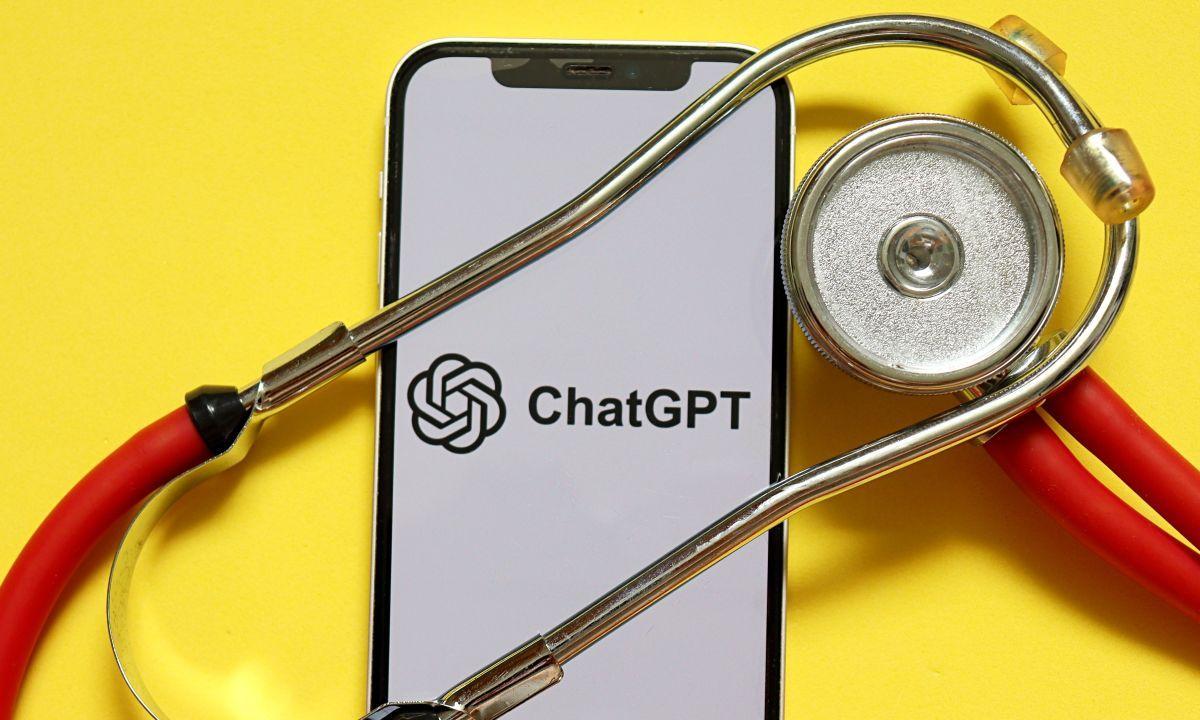
Source: PYMNTS
The timing reflects surging demand among medical professionals. According to a 2026 survey by the American Medical Association cited by OpenAI, 72% of physicians now use AI in clinical practice, up from 48% just a year ago
1
. The company reports that clinician usage of its platform has more than doubled over the past year, with millions relying on ChatGPT weekly to streamline clinical workflows.AI Assistant for Doctors Handles Documentation and Research
ChatGPT for Clinicians targets the administrative burden that pulls medical professionals away from patient care. The platform includes a clinical search function that provides real-time cited medical sources, drawing on millions of peer-reviewed publications
2
. A deep research mode enables comprehensive medical literature reviews, while reusable workflow templates help with drafting referral letters, prior authorization requests, and patient instructions1
. The tool can scan and analyze large volumes of journal data, helping users prepare detailed reports within minutes3
.
Source: Decrypt
The platform also supports continuing medical education credits for research activities conducted within the system, reducing the need for separate training sessions
3
. This feature addresses the ongoing challenge of keeping medical professionals current with evolving research while managing heavy workloads. By allowing clinicians to create repeatable workflows, the AI for medical professionals aims to make routine tasks faster and more consistent3
.GPT-5.4 Outscores Human Physicians on New Benchmark
Alongside the launch, OpenAI introduced HealthBench Professional, an open benchmark designed to evaluate AI performance on realistic clinician chat tasks across three categories: care consultations, automating clinical documentation, and summarizing medical research
1
2
. The company reported that GPT-5.4, running in the ChatGPT for Clinicians workspace, scored 59.0 on the benchmark—higher than human physicians who scored 43.7 even with unlimited time and internet access, and higher than competing models from Anthropic, Google, and xAI1
.
Source: Digit
However, these results come with an important caveat: OpenAI built both the product and the benchmark used to evaluate it
1
. Independent validation will be crucial as the medical community assesses the tool's real-world performance. To develop the platform, OpenAI worked with hundreds of physician advisors and reviewed more than 700,000 model responses. In pretesting, physicians rated 99.6% of responses as safe and accurate across nearly 7,000 conversations1
.Related Stories
HIPAA Compliance and Privacy Safeguards
OpenAI has emphasized privacy and safety as core features of ChatGPT for Clinicians. Conversations will not be used to train OpenAI's models, and HIPAA compliance support is available through a Business Associate Agreement for eligible accounts handling patient data
1
2
. The company has included additional safeguards such as multi-factor authentication to protect sensitive medical information3
.OpenAI has been careful to frame the tool as a support system rather than a replacement for clinical judgment—a distinction regulators and skeptics will likely watch closely as the product rolls out more broadly
1
. The company also issued a white paper titled "Keeping Patients First: A Blueprint for AI in U.S. Healthcare" that suggests ways to responsibly integrate AI into healthcare2
. As healthcare systems face mounting pressure from administrative overload and staffing challenges, the adoption of AI tools like ChatGPT for Clinicians could reshape how medical professionals allocate their time between documentation and direct patient care.References
Summarized by

Navi
Related Stories
OpenAI Reportedly Developing 'Clinician Mode' for ChatGPT, Raising Questions About AI in Healthcare
10 Oct 2025•Technology
OpenAI upgrades ChatGPT health responses as 230 million users seek medical information weekly
19 Jun 2026•Technology
ChatGPT Introduces Break Reminders Amid Mental Health Concerns
05 Aug 2025•Technology

Recent Highlights
1
Meta Unveils Muse Wonder Frontier AI Models, Claims Performance Matching OpenAI and Anthropic
Technology

2
Microsoft and Nvidia Launch Surface Laptop Ultra: A $2,599 AI-Ready PC With RTX Spark Chip
Technology

3
Meta Muse AI Agent Surges to 6.6M Downloads Despite Privacy and Security Controversies
Technology
Recent Highlights
Today's Top Stories






Don’t drown in AI news. We cut through the noise - filtering, ranking and summarizing the most important AI news, breakthroughs and research daily. Follow topics that matter to you and stay ahead.


