OpenAI rolls out ChatGPT ads at rates matching Super Bowl broadcasts as monetization begins


2 Sources
[1]
OpenAI says you can trust ChatGPT answers, as it kicks off ads rollout preparation
OpenAI previously confirmed that it's testing ads in ChatGPT for free and $8 Go accounts, and now we're seeing early signs of that rollout, at least on Android. As spotted on X, OpenAI has built a full-screen onboarding experience to introduce users to ads in ChatGPT. During onboarding, the
[2]
ChatGPT to show ads under answers at rates rivaling Super Bowl broadcasts
Users paying for GPT Plus avoid ads, leaving free subscribers exposed to marketing As OpenAI is preparing to introduce ads inside ChatGPT, early signals have suggested pricing which rivals some of the most expensive media inventory available today. Reporting from The Information has claimed the
Share
Copy Link
OpenAI has begun rolling out advertisements in ChatGPT for free and $8 Go subscribers, with internal pricing reportedly set at $60 per thousand views—matching premium NFL broadcast slots. The company insists ads won't influence ChatGPT answers and will remain clearly labeled, though questions about engagement metrics and value persist as the AI monetization push begins.
OpenAI Introduces Advertisements in ChatGPT with Premium Pricing
OpenAI has started the ChatGPT ad rollout, with early signs appearing on Android devices as the company prepares to monetize its popular AI interface
1
. The deployment includes a full-screen onboarding experience designed to introduce users to the new advertising model, which will affect free tier users and those with the $10 Go subscription1
. According to reporting from The Information, OpenAI is internally considering rates as high as $60 per one thousand views, placing ChatGPT ads in the same cost range as live National Football League broadcasts, including premium slots for the Super Bowl2
. This aggressive pricing strategy signals OpenAI's confidence in the value of its platform, though the company has not publicly confirmed these numbers.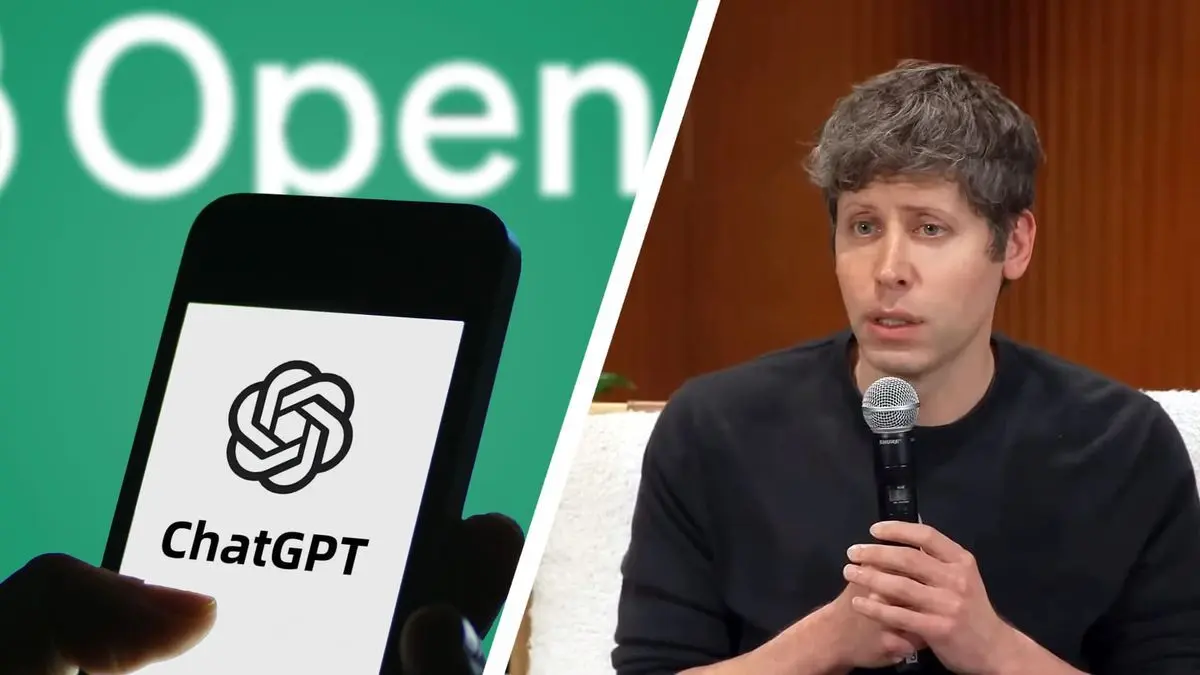
Source: TechRadar
How ChatGPT Ads Will Appear and Function
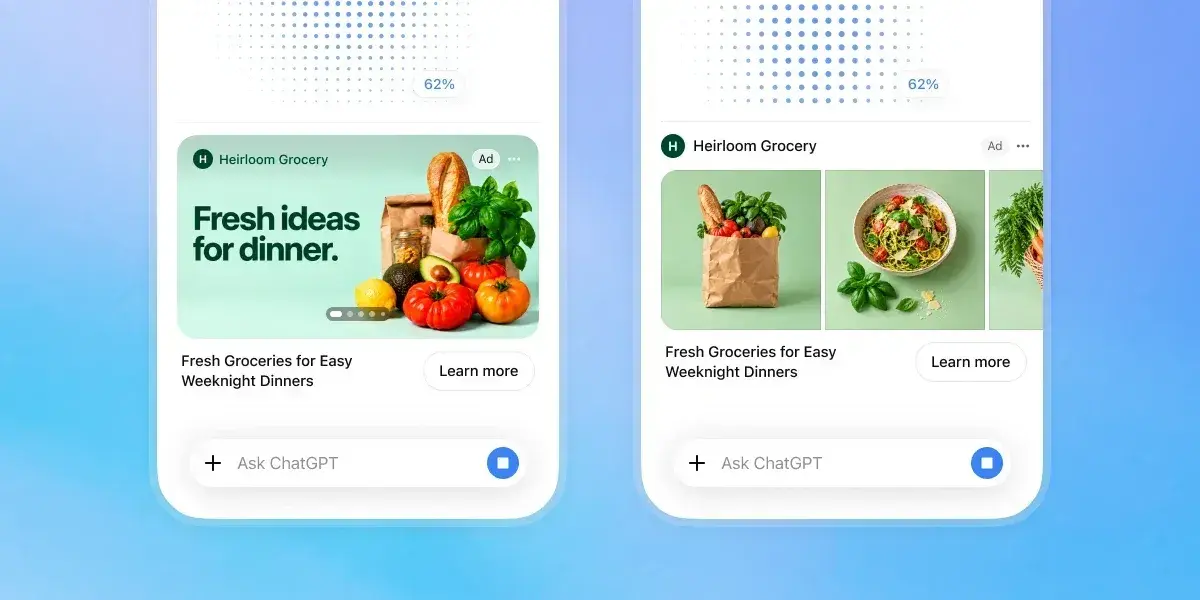
The advertisements in ChatGPT will appear as "Sponsored" blocks beneath responses, rather than being integrated into the answers themselves
1
. During onboarding, OpenAI emphasizes that ads will not change ChatGPT's answers and will remain clearly separated and labeled1
. While your current chat can influence the type of sponsored ad shown, the company maintains that conversations are kept private from advertisers and that it will never sell user data1
. The proposed pricing model relies on impression-based ads rather than user actions, meaning advertisers would pay for how often an ad is shown, not how often it is clicked2
. OpenAI has added user privacy controls through a new "Ads controls" page under settings, allowing users to delete ad-related data without affecting their chats and toggle ad personalization on or off1
.Subscriber Tiers and Ad-Free Access
The OpenAI advertising strategy creates a clear divide between subscriber tiers. Ad-free subscribers paying $20 per month for GPT Plus, along with Pro, Business, and Enterprise users, will avoid advertisements entirely
1
2
. This leaves free tier users and those on the lower-cost Go plan exposed to marketing messages. The rollout is expected in the United States within weeks, marking the start of AI monetization for an established tool2
. "Our mission is to ensure AGI benefits all of humanity; our pursuit of advertising is always in support of that mission and making AI more accessible," OpenAI stated1
.
Source: BleepingComputer
Related Stories

Questions About Engagement Metrics and Advertiser Value
The Super Bowl ad rates comparison raises questions about whether the pricing makes sense without transparent engagement metrics
2
. Available signals suggest click-through rates are likely very low compared to traditional search platforms, particularly Google2
. A media buyer working with early advertisers has said OpenAI plans to provide only high-level performance data, which would include total impressions and total clicks, without deeper breakdowns or behavioral insights2
. An OpenAI spokesperson compared this reporting approach to television advertising, where audience exposure matters more than direct interaction2
. Unlike social platforms or search engines, ChatGPT does not naturally encourage clicking away from the interface, which complicates comparisons with existing digital ad markets2
. The company has also not shared detailed data on click performance for outbound links to publishers whose content is used during model training2
. User data privacy remains a priority, with OpenAI stating that personal information, including health data, will not be used to train models for advertising purposes2
.References
Summarized by

Navi
[1]
Related Stories
OpenAI Considers Ads for ChatGPT: Balancing Revenue and User Experience
15 Aug 2025•Business and Economy

OpenAI Launches Visual Ads Alongside ChatGPT Image Generation, Reaching 1.2 Billion Weekly Users
05 Oct 2026•Technology
OpenAI Explores Advertising for ChatGPT Amid Financial Pressures
03 Dec 2024•Business and Economy

Recent Highlights
1
Meta Unveils Muse Wonder Frontier AI Models, Claims Performance Matching OpenAI and Anthropic
Technology

2
IMF Report Warns AI Market Correction Could Spark Global Financial Crisis With $1.4T at Risk
Business and Economy

3
OpenAI Releases 722 AI-Generated Math Solutions, Triggering Existential Crisis in Mathematics
Technology

Recent Highlights
Today's Top Stories







Don’t drown in AI news. We cut through the noise - filtering, ranking and summarizing the most important AI news, breakthroughs and research daily. Follow topics that matter to you and stay ahead.


