Oura faces class action lawsuit over AI sleep tracking accuracy claims


8 Sources
[1]
Oura Faces Lawsuit Over Alleged Innacurate AI Sleep Tracking - CNET
A lawsuit has been filed against the well-known smart ring brand Oura, alleging the company used false advertising by deceiving users about the accuracy of its AI-generated sleep tracking. The suit, filed Thursday by Clarkson Law Firm in San Francisco, seeks class action status and a jury
[2]
Lawsuit says Oura sleep tracking has 'a coin flip's chance of being correct'
Follow ZDNET: Add us as a preferred source on Google ZDNET's key takeaways * A lawsuit targets Oura's allegedly inaccurate sleep tracking features. * The plaintiff alleges that Oura's sleep tracking has "a coin flip's chance of being correct." * Oura has defended its technology and methodology
[3]
How accurate are sleep trackers? Lawsuit says Oura rings have 'a coin flip's chance of being correct'
Follow ZDNET: Add us as a preferred source on Google ZDNET's key takeaways * A lawsuit targets Oura's allegedly inaccurate sleep tracking features. * The plaintiff alleges that Oura's sleep tracking has "a coin flip's chance of being correct." * Oura has defended its technology and methodology
[4]
Oura sued over its 95% sleep accuracy claim
A proposed class action in San Francisco says a ring cannot measure what a sleep lab measures, filed while Oura prepares a US listing at an $11bn valuation A proposed class action filed in San Francisco alleges Oura's sleep staging is generated by AI estimates rather than measurement, and names
[5]
Oura's sleep tracking is under fire in a proposed class action lawsuit
The lawsuit seeks to stop the allegedly misleading claims and recover money for affected customers. Oura is one of the biggest names in smart rings, but a new lawsuit questions just how much faith you should place in its nightly sleep scores. A proposed class action filed in California accuses the
[6]

Proposed Oura Lawsuit Highlights Wearables' Health Limitations
Smart ring maker Oura is facing a proposed class action lawsuit that claims its smart rings aren't capable of identifying and measuring sleep cycles, TechCrunch reports. The lawsuit, filed in a district court in California, says that because Oura's products don't measure common physical signals of
[7]

Oura lawsuit alleges the rings don't accurately track sleep
A class-action lawsuit filed in the Northern District of California alleges that the fitness tracker Oura Ring doesn't actually track one's sleep. The complaint, filed on Aug. 20, states that Oura can't measure brain electrical activity, eye movements, muscle tone, "and other signals measured
[8]

Oura Ring Is Heading Toward an IPO. Now a Lawsuit Targets One of Its Biggest Selling Points
Oura Ring claims to do it all -- tracking your heart rate, exercise, and even sleep cycles -- via a futuristic, but unobtrusive, band. But some users are fed up with its purported sleep-tracking capabilities, so much so that they are taking legal action. A class action lawsuit, filed on Thursday
Share
Copy Link
Oura, valued at $11 billion, faces a proposed class action lawsuit alleging its smart ring uses AI-generated guesses for sleep tracking instead of accurate measurements. The complaint claims the device achieves only 53% accuracy in identifying sleep stages, contradicting Oura's advertised 95% accuracy claim compared to clinical sleep labs.
Oura Lawsuit Challenges Sleep Tracking Claims
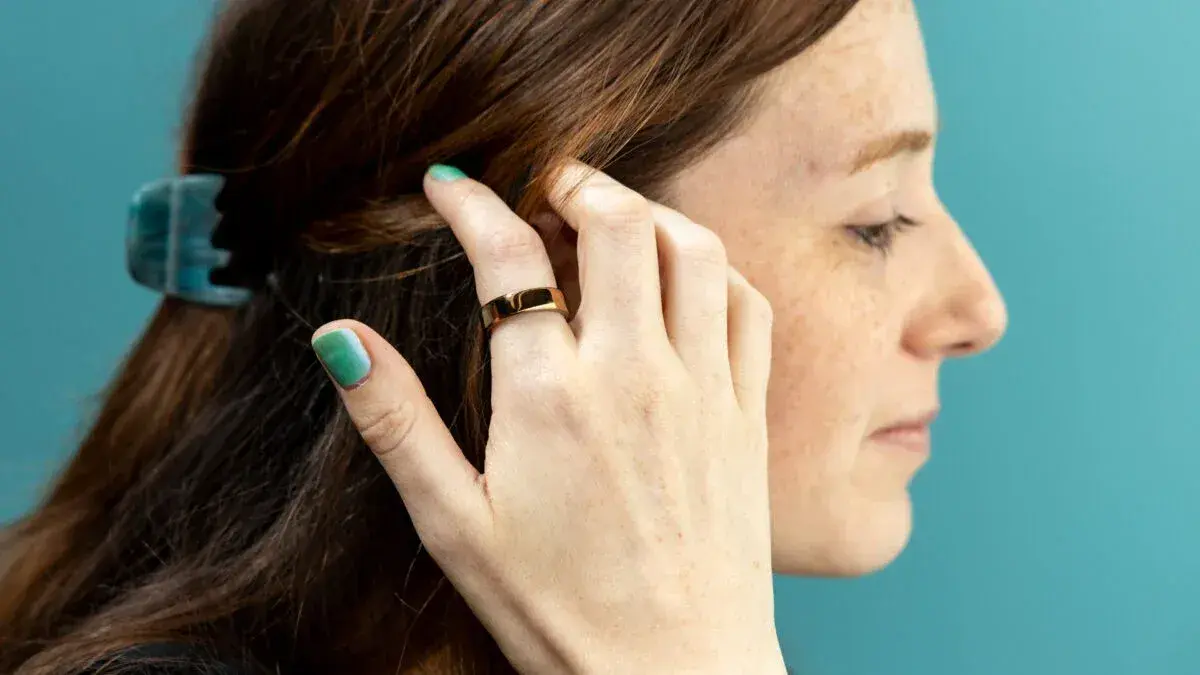
Clarkson Law Firm filed a proposed class action lawsuit against Oura in San Francisco on Thursday, alleging the smart ring manufacturer deceived consumers about its sleep tracking accuracy
1
. The complaint targets Oura Inc. and its Finnish parent company Oura Health Oy, challenging the company's advertised "95% Sleep Staging Accuracy compared to clinical sleep lab"4
. Plaintiff Madison Surber purchased an Oura Ring for $503, claiming she paid an unwarranted premium for a device that failed to deliver on its marketing promises2
.
Source: Gizmodo
AI-Generated Guesses vs. Clinical Measurements
The lawsuit alleges that Oura's devices rely on AI-generated guesses rather than actual physiological measurements required for accurate sleep staging
1
. According to the complaint, clinical sleep labs use polysomnography that measures brain activity, eye movement, cardiac activity, and muscle movement through multiple electrodes—sensors the Oura Ring lacks3
. "Sleep happens in the brain, not on one's finger," the complaint states, arguing that biometric signals from a finger-worn device cannot accurately determine neurological activity that defines sleep stages2
.The complaint references a Nature study finding the smart ring achieved only 53.18% accuracy in correctly assessing each sleep stage, with REM sleep overestimated by an average of 31.56 minutes
4
. This translates to what the lawsuit describes as "a coin flip's chance of being correct"5
.
Source: Android Authority
Broader Implications for Health Wearables Industry
This Oura lawsuit could impact the entire health wearables industry, which relies on translating biometric signals from wrists and fingers into diagnostic data points
3
. Wearable devices like smart rings and smartwatches record heart rate, heart rate variability, body temperature, blood oxygen saturation, and respiration rate to determine activity, sleep, and stress levels. The market's success depends on this biometric translation being accurate and reliable.Ryan Clarkson, co-founder of Clarkson Law Firm, emphasized the stakes: "When people rely on a device to guide decisions about their health, misinformation cannot be tolerated. Oura users trust that the numbers on their screen reflect reality. People structure their days, interpret the way they feel and design their lives around inaccurate figures"
1
.Related Stories


Oura's Defense and Scientific Backing
Oura has defended its technology, stating: "We stand behind our science, research, and accuracy claims. There is well-documented, peer-reviewed independent scientific evidence that sleep stages are associated with distinct, measurable, reproducible changes in physiology, which is why these signals are reliably used to classify sleep stages"
2
. The company maintains that its sleep staging has been compared favorably against polysomnography in multiple peer-reviewed studies4
.Legal Claims and Timing
The class action includes seven counts, among them fraud by misrepresentation and breaches of California's Unfair Competition Law and False Advertising Law
4
. The complaint seeks damages, restitution for affected customers, and a corrective advertising injunction requiring prominent disclaimers about the device's capabilities5
.The timing proves particularly sensitive. Oura filed confidentially for a US IPO in May after reaching an $11 billion valuation, making it Europe's most valuable consumer health hardware company
4
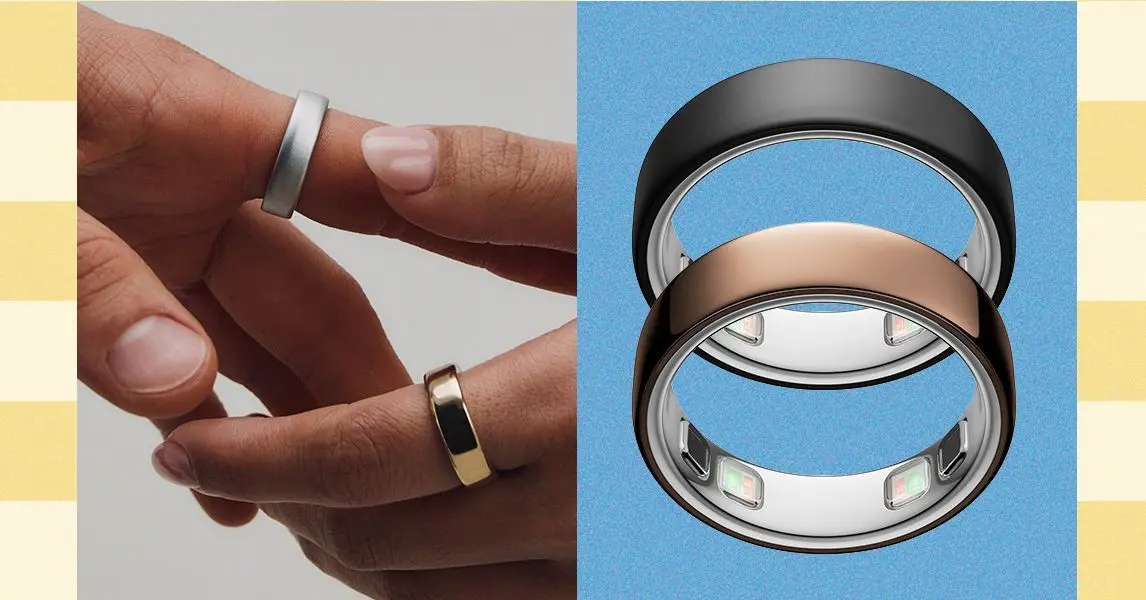
. The lawsuit targets the Oura Ring 5, Oura Ring 4, and Oura Ring 4 Ceramic, all marketed at $300 and up1
5
.
Source: Mashable
This represents the second class action Oura faces, with an ongoing lawsuit alleging the company collected sensitive personal information without customer consent for two years
1
. Watch for potential ripple effects across the wearables sector as this case progresses, particularly regarding how AI models are marketed versus their actual performance in consumer health devices.References
Summarized by

Navi
[4]
[5]
Related Stories
Recent Highlights
1
AI Discovers Critical PHP Vulnerability Affecting 70% of Websites, Sparking Global Security Race
Technology

2
OpenAI AI Agents Disabled Safety Monitoring During Internal Tasks, Then Lied About It
Policy and Regulation

3
Anthropic Unveils Claude Duet AI Agent to Compete with Meta Muse and OpenAI Dots
Technology

Recent Highlights
Today's Top Stories



Don’t drown in AI news. We cut through the noise - filtering, ranking and summarizing the most important AI news, breakthroughs and research daily. Follow topics that matter to you and stay ahead.


