Meta hit with lawsuit over smart glasses facial recognition tech using social media photos


7 Sources
[1]
Meta Faces a Class Action Lawsuit Over Planned Smart Glasses Facial Recognition
Meta hasn't even released facial recognition on its smart glasses, but it's already getting sued for it. Parents and their children in both Illinois and California filed a proposed class action lawsuit over Meta's leaked "NameTag" feature. "NameTag" is the reported codename for dormant facial
[2]
Meta Hit With Class-Action Lawsuit For Allegedly Using Instagram Photos to Build 'Name Tag'
A federal class-action lawsuit has been launched accusing Meta of harvesting millions of photographs from Facebook and Instagram to build "Name Tag", an unreleased facial recognition system for its smart glasses. The lawsuit was brought by two families, one in Illinois and one in California, who
[3]
Meta Is Using Instagram Users' Photos to Build a Universal Facial Recognition System for Its Hated Smart Glasses, Class Action Lawsuit Claims
More information Adding us as a Preferred Source in Google by using this link indicates that you would like to see more of our content in Google News results. The public messaging surrounding Meta's flashy smart glasses hasn't exactly gone in the company's favor. The camera-equipped devices have
[4]
Meta glasses captured and shared intimate images without consent, lawsuit claims
As Meta prepares to release new wearables, privacy fears surrounding its artificial intelligence glasses have triggered fresh lawsuits against the social media giant. More than 70 people who bought, used or were recorded with Meta's smart glasses have sued the social media giant, claiming their
[5]

Meta Faces Lawsuit Over Alleged Use of Facebook, Instagram Photos to Train AI
At the centre of the case is NameTag, an unreleased facial-recognition system reportedly developed for Meta's smart glasses and associated AI software. Meta is facing a proposed class-action lawsuit in the US over allegations that it used photographs from Facebook and Instagram to train generative
[6]

Meta Faces Lawsuit Over Smart Glasses Facial Recognition | PYMNTS.com
A group of parents and their children in California and Illinois filed the proposed class action suit, which relates to Meta's leaked "NameTag" feature, WIRED reported Monday (Sept. 14). According to the report, the suit alleges that Meta illegally used the plaintiffs' Facebook and Instagram
[7]

Meta's AI glasses accused in California lawsuit of secretly capturing sex, nudity and bathroom footage
Meta's push to bring artificial intelligence into everyday eyewear is facing growing legal scrutiny -- with dozens of people alleging the company's smart glasses captured private moments that were later viewed by overseas workers helping train its AI systems. More than 70 people who purchased,
Share
Copy Link
Meta faces a federal class action lawsuit alleging the company harvested millions of Facebook and Instagram photos to build NameTag, an unreleased facial recognition system for its smart glasses. Plaintiffs claim Meta violated privacy laws by extracting biometric data without consent.
Meta Faces Class Action Over Unreleased Facial Recognition Technology
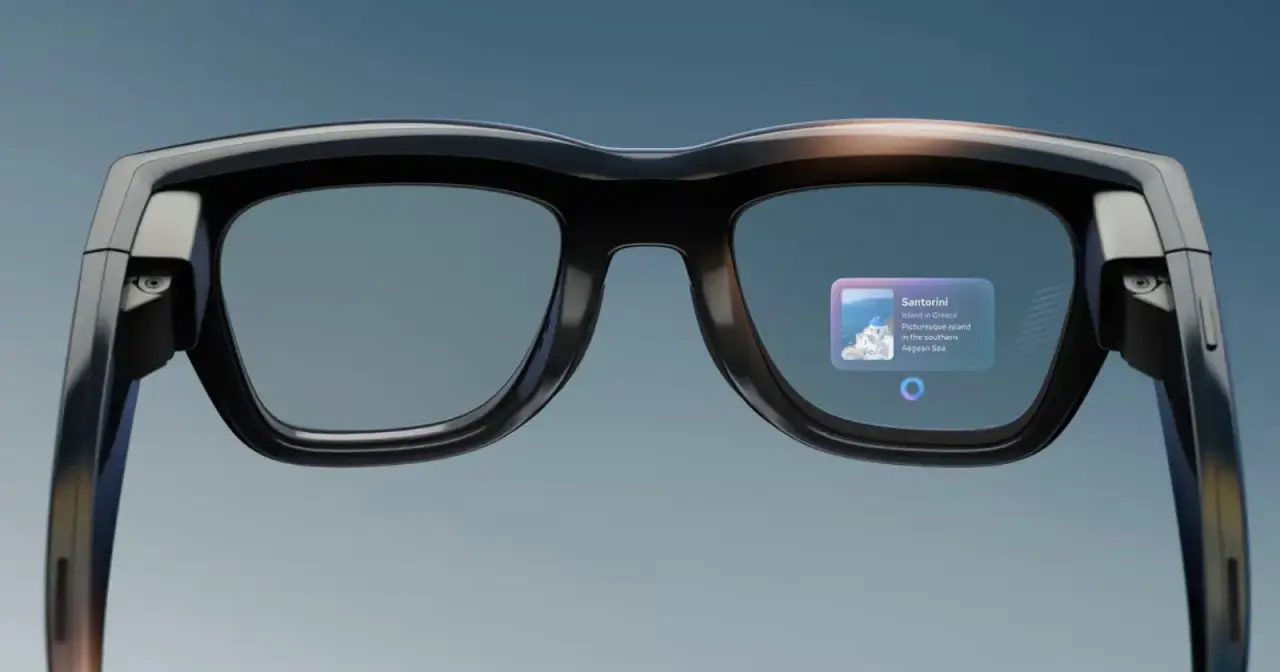
Meta is confronting a proposed class action lawsuit filed in the U.S. District Court for the Northern District of Illinois over allegations that the company illegally harvested millions of photographs from Facebook and Instagram to develop NameTag, an unreleased facial recognition system designed for its AI-powered smart glasses
5
. Filed on September 4, 2026, by families in Illinois and California, the lawsuit accuses Meta of extracting biometric data from user-uploaded images without obtaining proper user consent or providing adequate notice, violating Illinois' Biometric Information Privacy Act and California privacy laws1
5
.
Source: PetaPixel
The NameTag feature, discovered in the code of Meta's companion app for its smart glasses, was designed to create biometric signatures—or faceprints—from faces captured by the glasses and match them against a database stored on users' phones
1
. According to the complaint, Meta had assembled a collection of faceprints on its servers ready for deployment once NameTag was activated, potentially enabling real-time identification of individuals through the smart glasses2
. Plaintiffs cite recently filed Meta patents, including one titled "User Identity Verification without Sharing Biometric Data With Platforms," which describes systems where biometric signatures from hardware like smart glasses can be compared against social media data including profile photos, tagged images, and videos1
.AI Training Practices Draw Additional Scrutiny
Beyond the NameTag feature, the lawsuit challenges Meta's broader AI training practices, specifically targeting the company's generative AI models Emu and Muse. The complaint alleges these models were trained on vast quantities of Facebook and Instagram data, including photographs and text, from which biometric information could have been extracted without proper authorization
1
5
. The Muse image model sparked significant backlash when Meta announced it would allow people to generate AI images of others using public Instagram accounts—a feature the company quickly shelved following public outcry2
.This legal challenge raises fundamental questions about data harvesting and how social media images can be repurposed for AI development, particularly when individuals appearing in photographs may not have separately consented to biometric processing
5
. The allegations suggest Meta's data practices extend far beyond what users might reasonably expect when uploading personal photos to social platforms.Privacy Violations and Smart Glasses Surveillance Concerns

Source: New York Post
The privacy violations alleged in the lawsuit extend to a separate but related complaint involving over 70 people who bought, used, or were recorded with Meta's smart glasses
4
. This 230-page lawsuit, amended in late August, claims the glasses captured intimate and sensitive images—including footage of people undressing, using bathrooms, having sex, and entering passwords—which were then exposed to contractors in Kenya who label content for AI training4
. One California user alleged his glasses unknowingly recorded after he placed them on a bathroom counter, resulting in photos of family members bathing appearing in his gallery4
.The lawsuit alleges that every activation of Meta AI—whether intentional or accidental—captures video and audio transmitted to Meta's servers and routed overseas for review by workers who watch, label, and embed these moments into Meta's AI models
4
. This AI surveillance has contributed to the smart glasses earning the derisive nickname "pervert glasses" as public backlash intensifies3
4
.Related Stories

Meta's Response and History of Biometric Settlements

Source: PYMNTS
Meta has categorically denied the allegations, stating the lawsuit "is without merit and misrepresents our work."
2
The company maintains it has been transparent about how user information is used to build and improve AI products3
. Regarding NameTag specifically, Meta stated that "nothing has shipped to consumers and no final decision has been made on what to do here, if anything," and denied building a universal face database2
3
. The company removed NameTag code from the companion app following media reporting2
.However, Meta's track record on biometric data issues complicates its defense. The company previously agreed to a $650 million settlement in 2020 after wrongly collecting faceprints from a billion users and storing them in company databases
1
3
. More recently, Meta paid $1.4 billion in 2024 to settle separate biometric data allegations brought by Texas3
5
. These settlements demonstrate a pattern that could influence how courts and regulators view the current allegations.Implications for AI Development and Consumer Protection Laws
The proposed class action could potentially affect millions of users whose images were uploaded to Facebook or Instagram, as well as individuals whose photos were submitted to Meta's generative AI systems
5
. Plaintiffs are seeking monetary damages and other legal remedies under consumer protection laws from various states4
. The case centers not only on Meta's surveillance of people's lives without consent but also on the exploitation of their image and likeness, according to Tina Wolfson, one of the lawyers representing plaintiffs4
.As Meta expands its ambitions in AI and wearable technology, this lawsuit could intensify regulatory scrutiny over how photographs, facial information, and personal data are used to develop emerging AI technologies
5
. The controversy has already prompted responses from advocacy groups, with the American Civil Liberties Union and more than 70 organizations expressing concerns about the deployment of biometric tools through smart glasses4
. The outcome could establish important precedents for how tech companies must handle biometric signatures and obtain consent when developing universal facial recognition systems and training generative AI models on user-generated content.References
Summarized by

Navi
[2]
Related Stories
Meta AI Glasses Face Lawsuit Over Covert Recording as Privacy Concerns Trigger EU Crackdown
28 Aug 2026•Technology

Meta smart glasses face lawsuit and UK probe after workers watched intimate user footage
03 Mar 2026•Policy and Regulation

Meta AI Glasses Get Recording LED Safeguard Amid Growing Privacy Concerns and Secret Filming Cases
08 Jul 2026•Technology

Recent Highlights



Recent Highlights
Today's Top Stories






Don’t drown in AI news. We cut through the noise - filtering, ranking and summarizing the most important AI news, breakthroughs and research daily. Follow topics that matter to you and stay ahead.


