Palo Alto Networks CEO Warns of Enterprise Resistance to Agentic AI Browsers


2 Sources
[1]
Palo Alto Networks CEO says the enterprise may not welcome agentic AI browsers
In a Thursday interview with CNBC's Jim Cramer, Palo Alto Networks CEO Nikesh Arora suggested the enterprise may not be comfortable with browsers run by agentic artificial intelligence. "I think unless there are controls built into agentic browsers, which are oriented around credentials and
[2]
Palo Alto Networks CEO Says Enterprises Cautious About Agentic AI | PYMNTS.com
By completing this form, you agree to receive marketing communications from PYMNTS and to the sharing of your information with our sponsor, if applicable, in accordance with our Privacy Policy and Terms and Conditions. Speaking with CNBC's Jim Cramer, Arora said that while consumers might like to
Share
Copy Link
Nikesh Arora, CEO of Palo Alto Networks, predicts enterprises may reject agentic AI browsers without proper security controls, highlighting the tension between AI advancement and corporate data protection.
Agentic AI Browsers Face Enterprise Resistance
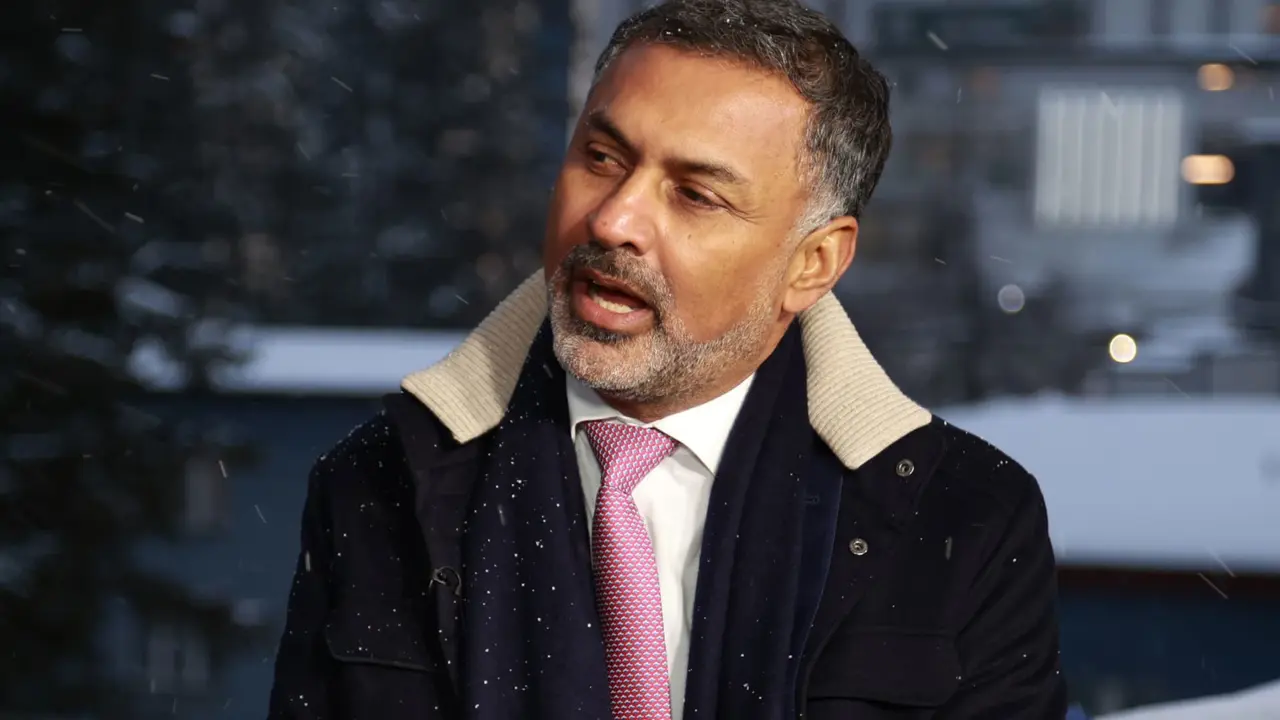
Nikesh Arora, CEO of Palo Alto Networks, has raised concerns about the adoption of agentic AI browsers in enterprise environments. In a recent interview with CNBC's Jim Cramer, Arora predicted that without proper security controls, these advanced browsers might be banned from corporate use within two years
1
.
Source: CNBC
Arora explained, "I think unless there are controls built into agentic browsers, which are oriented around credentials and enterprise security, they're not going to be allowed in enterprises in 24 months." This statement highlights the growing tension between rapid AI advancements and the need for robust corporate data protection.
Consumer Appeal vs. Enterprise Caution
While acknowledging the consumer appeal of agentic browsers capable of performing tasks like booking flights or making reservations, Arora emphasized that enterprises would be wary of granting such autonomy to AI agents. The CEO noted that major tech companies are likely to develop these browsers, given their substantial investments in AI models. However, he stressed that the autonomy of these AI agents could be at odds with enterprise security needs
1
.Credential Theft and Security Concerns
Arora highlighted the increasing risk of credential theft in corporate environments. He pointed out that compared to 15-20 years ago, more employees now have access to privileged information, making it crucial to protect all users equally
1
.This concern is echoed in industry research. According to a PYMNTS Intelligence report, 80% of high-automation enterprises cited data security and privacy as their top concern with agentic AI
2
.Related Stories

Strategic Acquisition to Address Security Challenges
Source: PYMNTS
In response to these challenges, Palo Alto Networks announced a $25 billion acquisition of CyberArk, an Israeli identity security provider. This deal, expected to close during fiscal year 2026, aims to enhance the company's ability to manage privileged access and protect sensitive information
2
.Arora praised CyberArk's approach, stating, "[CyberArk] figured out a way with the lowest intrusion, lowest friction, lowest latency way possible, to figure out a way to manage the crown jewels and manage the access for all of users"
1
.Broader Industry Trends
The Palo Alto Networks-CyberArk deal is part of a larger trend of high-profile cybersecurity mergers and acquisitions. For instance, Google recently completed its largest purchase to date, acquiring cloud security firm Wiz for $32 billion. These moves reflect the industry's focus on improving cloud security and enabling multi-cloud capabilities in the AI era
2
.As the AI landscape continues to evolve, the balance between innovation and security remains a critical concern for enterprises. The cautious approach towards agentic AI, as highlighted by Arora, underscores the need for robust security measures to accompany technological advancements in the corporate world.
References
Summarized by

Navi
Related Stories
Palo Alto Networks CEO says enterprise AI adoption lags consumers by years, coding assistants only
18 Feb 2026•Technology

Palo Alto Networks Reports 34% Revenue Surge as CEO Warns of $1 Trillion AI Cybersecurity Gap
02 Sept 2026•Business and Economy

Palo Alto Networks Reports Strong Q3 Results, Emphasizes AI-Driven Cybersecurity Amid Market Challenges
21 May 2025•Technology
Recent Highlights



Recent Highlights
Today's Top Stories






Don’t drown in AI news. We cut through the noise - filtering, ranking and summarizing the most important AI news, breakthroughs and research daily. Follow topics that matter to you and stay ahead.


