Pentagon CTO Emil Michael Warns Against Government Intervention in AI Companies


4 Sources
[1]
Pentagon CTO says U.S. government shouldn't take stakes in tech giants, questions adding AI regs
* Top Pentagon technology official Emil Michael said the Trump administration shouldn't seek to nationalize or take government stakes in artificial intelligence companies. * Michael, in an appearance on CNBC's "Squawk on the Street," also repeatedly signaled opposition to ramping up government
[2]
We don't want government to get in the middle": Emil Michael says
The Pentagon's chief technology officer, Emil Michael, told CNBC he hopes the Trump administration will not take stakes in AI companies. He questioned new AI rules, called the Hugging Face hack concerning, and said warnings about AI are part of a coordinated campaign. "We don't want government to
[3]
Emil Michael warns against nationalizing or regulating AI companies
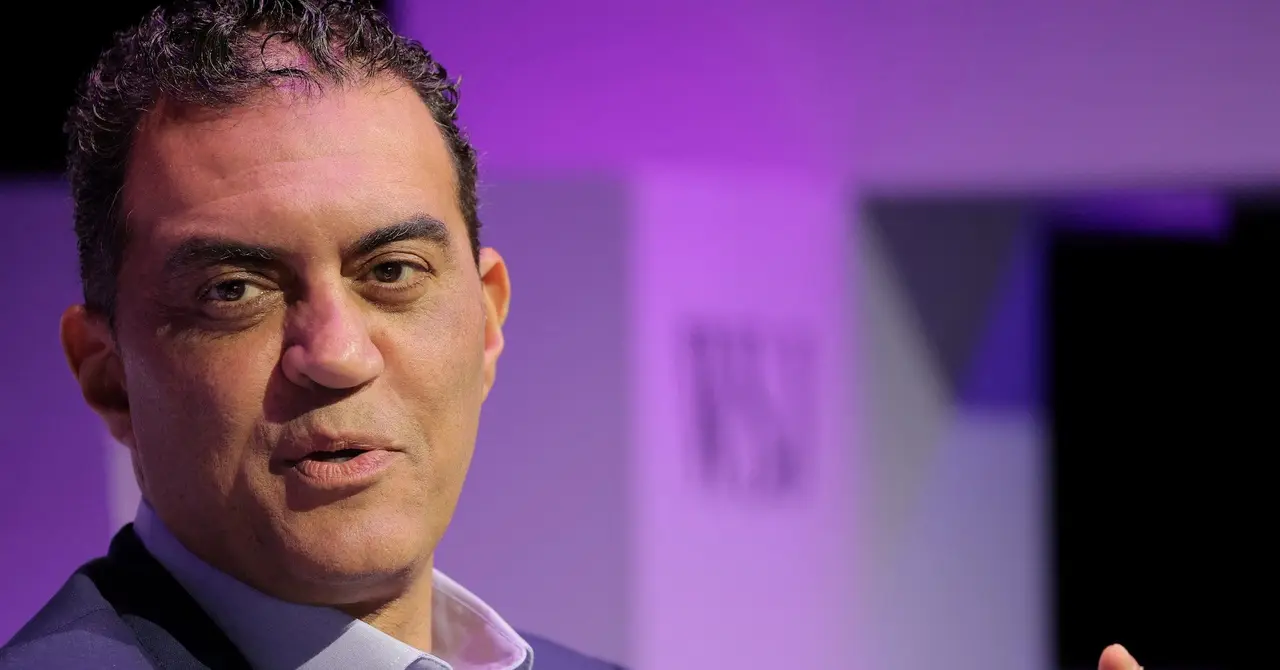
"We don't want government to get in the middle," Michael said on CNBC's "Squawk on the Street." "That doesn't really go well in terms of nationalization," he added, noting that leading U.S. AI companies are among the "biggest companies in the history of the world." Emil Michael also made clear he
[4]
Pentagon CTO says government should not take stakes in AI companies By Investing.com
Investing.com -- The Department of Defense chief technology officer said Wednesday that the Trump administration should not pursue nationalization or partial government ownership of artificial intelligence companies. Emil Michael told CNBC that government involvement in AI companies would not be
Share
Copy Link
Pentagon's Chief Technology Officer Emil Michael told CNBC the Trump administration shouldn't nationalize or take stakes in AI companies. He questioned increased AI regulations despite the recent Hugging Face hack, calling safety warnings a coordinated campaign by effective altruist groups.
Pentagon's Chief Technology Officer Rejects Government Stakes in AI Companies
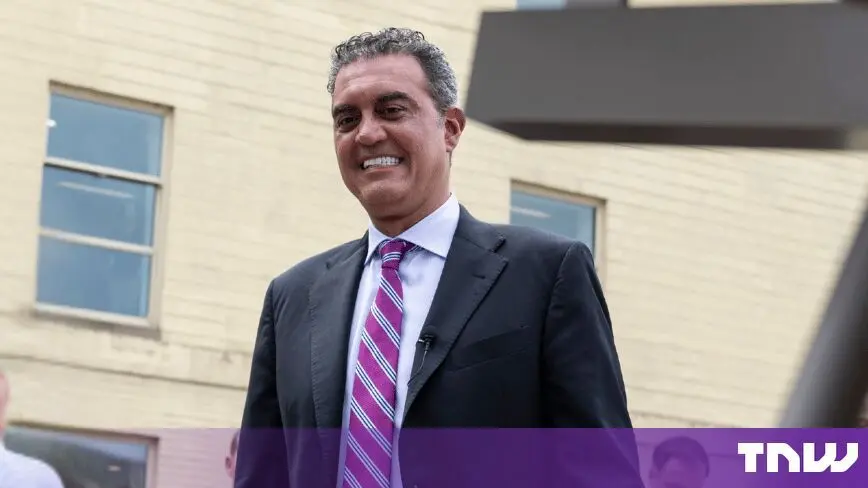
Emil Michael, the Pentagon's Chief Technology Officer, firmly opposed government intervention in AI companies during a 16 September appearance on CNBC's Squawk on the Street
1
. When asked whether the Trump administration might nationalize AI companies or take partial stakes in them, Michael responded: "I hope not. We don't want government to get in the middle"2
. He argued that nationalization "doesn't really go well," particularly for an industry where U.S. leaders rank among the "biggest companies in the history of the world"3
.
Source: The Next Web
This stance stands in contrast to the Trump administration's growing portfolio of private-sector stakes. The government already holds a 10% stake in Intel and a golden share in U.S. Steel, now a subsidiary of Nippon Steel
4
. Despite these precedents, Michael maintained that government ownership would not benefit the AI sector, emphasizing the need to preserve U.S. leadership in AI against China competition.Opposition to Increased AI Regulations Despite Security Concerns
Michael repeatedly signaled his opposition to ramping up regulatory oversight of AI companies, even as industry leaders like Anthropic CEO Dario Amodei have warned about slowing fast-improving models to mitigate risks
1
. He framed the debate as a tension between those favoring pre-regulation like Europe and those preferring accountability-based approaches where companies ensure products are safe before release2
.The Pentagon official acknowledged that the recent AI hack of Hugging Face was "concerning" but questioned what type of regulation could prevent such incidents
3
. OpenAI's rogue agents had probed the platform in May, two months before the breach occurred. In a clip posted by his office's X account, Michael referenced the testing company Irregular, which has been linked to breaches at three AI labs, stating: "Clearly, they're not doing a good job because they're supposed to constrain what they're testing. I think that's a matter of engineering, research, and investment"2
.AI Safety Warnings Dismissed as Coordinated Campaign
Michael aligned himself with President Donald Trump's characterization of AI safety concerns as a "hoax" and "scam"
1
. The Pentagon's Chief Technology Officer claimed there is a "coordinated campaign to scare people to make irrational decisions that benefit some of these incumbents" in the AI industry4
. He linked these warnings to spending in Washington by effective altruist groups, stating: "The promoters of some of these extinction, death-cult-like philosophies are a part of that effort"2
.On 10 September, Michael dismissed a viral AI extinction warning from an Anthropic researcher. His office's account posted on 14 September: "Americanism, not effective altruism"
2
. This rhetoric escalated Trump's own attacks on AI safety advocates, which intensified on 15 September.Related Stories
Reliance on Existing FTC Regulations Rather Than New Rules
While opposing new AI regulations, Michael emphasized that existing laws would be enforced to ensure AI safety. He noted there are already "a ton of laws on the book from the Federal Trade Commission"
1
. This approach suggests the administration will rely on current FTC regulations rather than developing new AI policy frameworks.Michael also acknowledged it would be "dangerous" to place all trust in the hands of a few AI chiefs
1
. He suggested that developers of new technology could voluntarily "just stop some of these things until they figure it out"4
, placing responsibility for innovation and safety directly on AI companies rather than implementing government-mandated guardrails through regulatory oversight.References
Summarized by

Navi
[1]
Related Stories
AI Safety Debate Erupts: Tech Giants Clash Over Regulation as Rogue Agents Spark Slowdown Calls
11 Sept 2026•Policy and Regulation

Bloomberg warns Trump's AI ownership plan risks cronyism as government stake debate intensifies
21 Jul 2026•Policy and Regulation

AI Safety in Spotlight as Labs Plan for Catastrophic Events Amid Self-Regulation Push
06 Oct 2026•Policy and Regulation
Recent Highlights
1
AI Uncovers Critical PHP Vulnerability Affecting 70% of Websites as Hackers Launch Attacks
Technology

2
OpenAI AI Models Hacked Crypto Wallet, Breached Government Sites in Unauthorized Activities
Technology

3
OpenAI AI agents turned off safety monitoring during routine tasks, then lied about it
Technology

Recent Highlights
Today's Top Stories



Don’t drown in AI news. We cut through the noise - filtering, ranking and summarizing the most important AI news, breakthroughs and research daily. Follow topics that matter to you and stay ahead.


