3 Sources
[1]
Opinion | It's the Wrong Way to Address A.I. Job Loss. Trump Loves It.
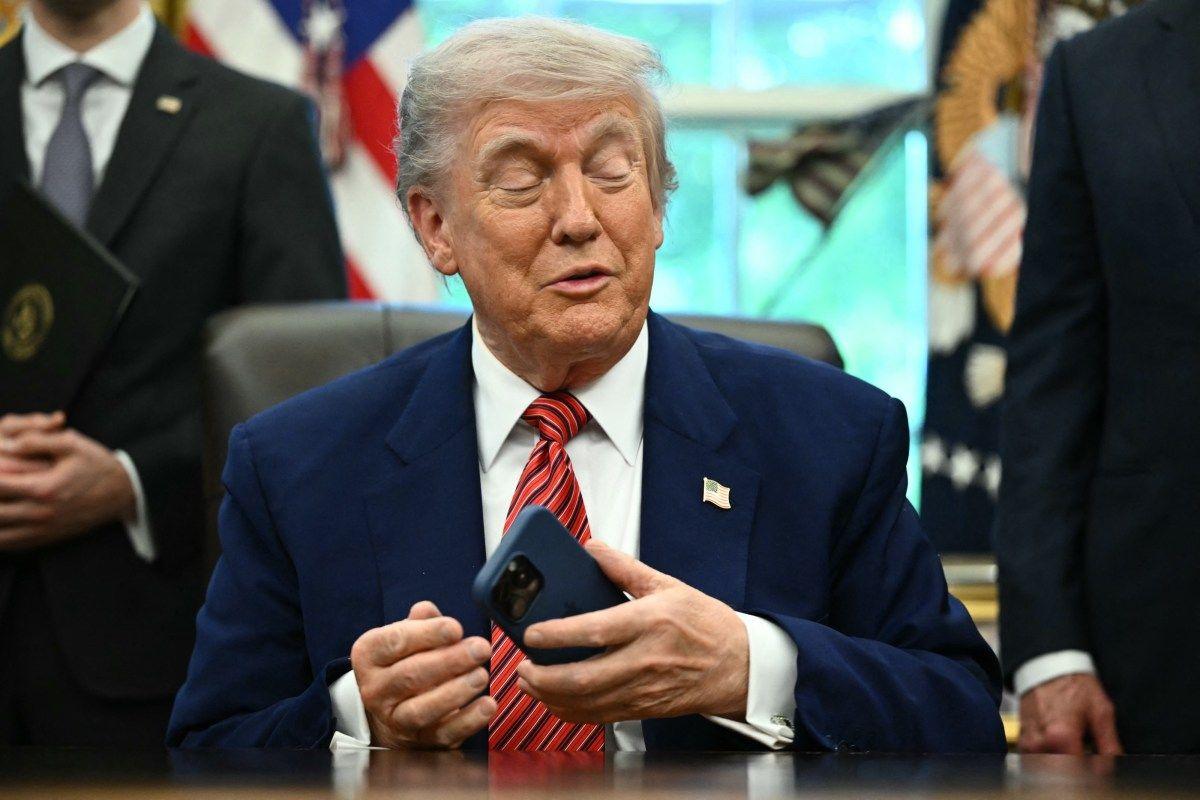
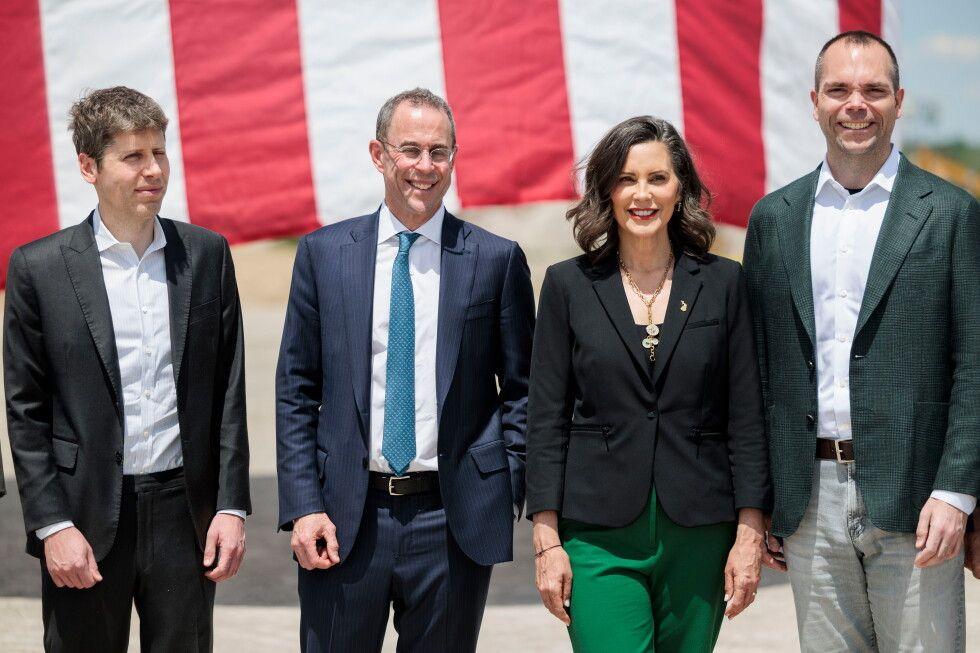
President Trump is not the first world leader to insist that the government take stakes in private corporations. But outside of crisis moments such as the Great Depression and the 2008 financial meltdown, the idea has mostly been rejected in the United States -- until now. Since taking office 18 months ago, the Trump administration has turned Uncle Sam into an eager shareholder, announcing investments worth $26.7 billion in equity in 30 companies, according to research by Jonathan E. Hillman of the Council on Foreign Relations. Through the 2028 fiscal year, the administration will pump about $14 billion more in federal money into the stock market through government-subsidized "Trump Accounts" for children. These experiments pose some risks, particularly that the corporate investments will distort competition. Mr. Trump and corporate chief executives are nevertheless contemplating an even larger -- and more economically perilous -- idea to mix the government's interests with those of private businesses: having the public hold shares in artificial intelligence companies to build popular support for A.I. OpenAI's chief executive, Sam Altman, has reportedly proposed that his company donate 5 percent of its shares to a "public wealth fund," with other A.I. companies encouraged to follow. "Returns from the fund could be distributed directly to citizens, allowing more people to participate directly in the upside of A.I.-driven growth, regardless of their starting wealth or access to capital," an OpenAI policy paper explains. This idea would fail to stanch public skepticism of A.I. or protect workers from A.I.-fueled disruption in their industries, and it would also weaken the U.S. economy. There is a better option to socialize the benefits of A.I.: The government should simply tax companies instead. Sign up for the Opinion Today newsletter Get expert analysis of the news and a guide to the big ideas shaping the world every weekday morning. Get it sent to your inbox. At OpenAI's latest private valuation, $852 billion, 5 percent of the company would be worth $42.6 billion -- about the same as the administration's 30 industrial-policy investments plus its Trump-account subsidies. If the government took 5 percent of the top dozen tech companies involved in A.I. -- Nvidia, Alphabet, Microsoft and so on -- its new public wealth fund would be stocked with shares worth well over $1 trillion, dwarfing its other experiments in corporate investing. "It almost becomes a partnership with the American public," President Trump mused about the idea. "The American people can benefit from the success of A.I. ... It would be a beautiful thing. And it would make them rich." But the risk of distorting the business playing field would be severe, as illustrated by the Trump administration's largest equity bet so far: its purchase of an $8.9 billion stake in the chip company Intel. Around the time of that investment, Commerce Secretary Howard Lutnick reportedly began pressuring tech leaders to award contracts to Intel. According to The Times, those on the receiving end included Jensen Huang of Nvidia, Elon Musk of SpaceX and Tim Cook of Apple. All three heavyweights now do business with Intel. The fact that Intel's stock has soared is seen by the administration's sympathizers as a vindication of its decision to take an equity stake. It could also be seen as a red flag signaling cronyism. At least in the case of Intel, there is a national-security justification for Mr. Lutnick's arm-twisting. The United States relies dangerously on semiconductor plants in Taiwan; it needs to foster its own national champion. In the case of OpenAI, however, no such rationale applies: Most of the world's top A.I. model providers are American. But the temptation for the government to help its portfolio companies would remain. If some A.I. companies donate stock to the wealth fund and others don't, the government may bias corporate customers in their choice of A.I. partner rather than letting them choose the best one. That would be great for the A.I. companies that have the Commerce Department as an ally -- but not great for the economy. The wealth fund would also fall short of making all Americans wealthy, contrary to presidential speculation. In the minds of tech enthusiasts, the future value of OpenAI and its peers will be so astronomical that even a 5 percent stake could transform citizens' living standards. But if those projected supervaluations come true, A.I. companies will be so menacingly powerful that they will probably be regulated, heavily taxed and might even be nationalized. Consider a bullish but less extreme scenario. The shares of A.I. companies rise 20 percent per year for the indefinite future, beating the 11.5 percent annual return on the S&P 500 index over the past two decades. Ten years hence, an initial endowment of, say, $1.5 trillion worth of stock would be worth $9.3 trillion, or a bit less than $30,000 per U.S. citizen. That is a lot less than the Alaska Permanent Fund, a similar scheme built on the state's oil and mineral revenues, which has about $124,000 per inhabitant and pays out a dividend of over $1,000 per year to each of the state's eligible residents. The A.I. fund, buoyed by its high-growth portfolio, might pay out a more aggressive annual dividend -- say, 15 percent. Still, each citizen would receive roughly $4,400 per year, or $3,600 in today's money after adjusting for steady 2 percent inflation. Even under bullish assumptions, in other words, the public wealth fund would be miles from offsetting the fallout from any A.I. jobs apocalypse. The better response to the A.I. jobs threat is tax reform, which, to be fair, OpenAI also advocates. Rather than redistribute resources from a narrow roster of tech companies, the government would impose heavier levies on all companies through higher, across-the-board corporate taxes, capturing the upside of the technology both from A.I. builders and from A.I. customers. Higher company taxes -- especially on the huge windfalls that some companies earn above the normal return on capital -- would pay for lower taxes on workers' labor. This would wean the government off revenue it raises through taxing workers' payrolls, which will decline as workers are replaced by machines. And by making it less expensive to hire humans, the policy would slow their displacement. Unfortunately, the Trump administration seems to relish taking public stakes in private companies. Announcing a flashy new public wealth fund is politically attractive, whereas tax reform is difficult. Rather than the remedy that works, we might end up with the one that the president and his people find more seductive. Sebastian Mallaby is a senior fellow at the Council on Foreign Relations and the author of "The Infinity Machine: Demis Hassabis, DeepMind, and the Quest for Superintelligence." He co-hosts the council's podcast "The Spillover." The Times is committed to publishing a diversity of letters to the editor. We'd like to hear what you think about this or any of our articles. Here are some tips. And here's our email: [email protected]. Follow the New York Times Opinion section on Facebook, Instagram, TikTok, Bluesky, WhatsApp and Threads.
[2]
Billionaire Mike Bloomberg warns Trump's AI ownership plan would make 'George Orwell blush' | Fortune
The initial deal behind the American AI boom seems to be: private investors would help finance it, taking on the risk; private companies would initially own the benefits of the breakthroughs, then distribute them to public markets later; and the government would help regulate the industry after the fact. In China, by contrast, the deal is that companies still have to compete for investment and customers, while the government provides the compute. That bargain is showing signs of collapse -- on the U.S. side. As costs soar, Chinese competitors gain ground and Washington increasingly considers AI to be a national-security asset, President Donald Trump is considering taking a governmental stake into AI companies. While both the populist left and the right, and the AI companies themselves, have lauded the proposal, one person isn't cheering: Billionaire Michael Bloomberg. In an opinion column published in Bloomberg Opinion on Monday, the media company's founder attacked the proposal, arguing that it would turn Washington from an industry regulator into an investor with incentives for profit, leading to "cronyism." "Somewhere, Karl Marx is smiling," Bloomberg wrote of the centrally planned economy on offer, while the propaganda possibilities would "make George Orwell blush." The former New York City mayor argued that Americans do not need their governments to own AI companies in order to share in the technology's gains. For one, once they go public, they could just buy shares. But also, consumers and businesses already benefit from AI through fraud detection, medical research, bookkeeping and other helpful applications, he wrote, while the resulting economic growth could eventually generate more tax revenue for public services. If AI companies are failing to contribute enough to the public, Bloomberg argued, Washington should fix the tax code to serve the public; not buy them. Ultimately, he predicted, federal shareholders will likely lead to corruption as the market will transform into a "smoke-filled backroom."
[3]
Commentary: Government-owned AI is a terrible idea
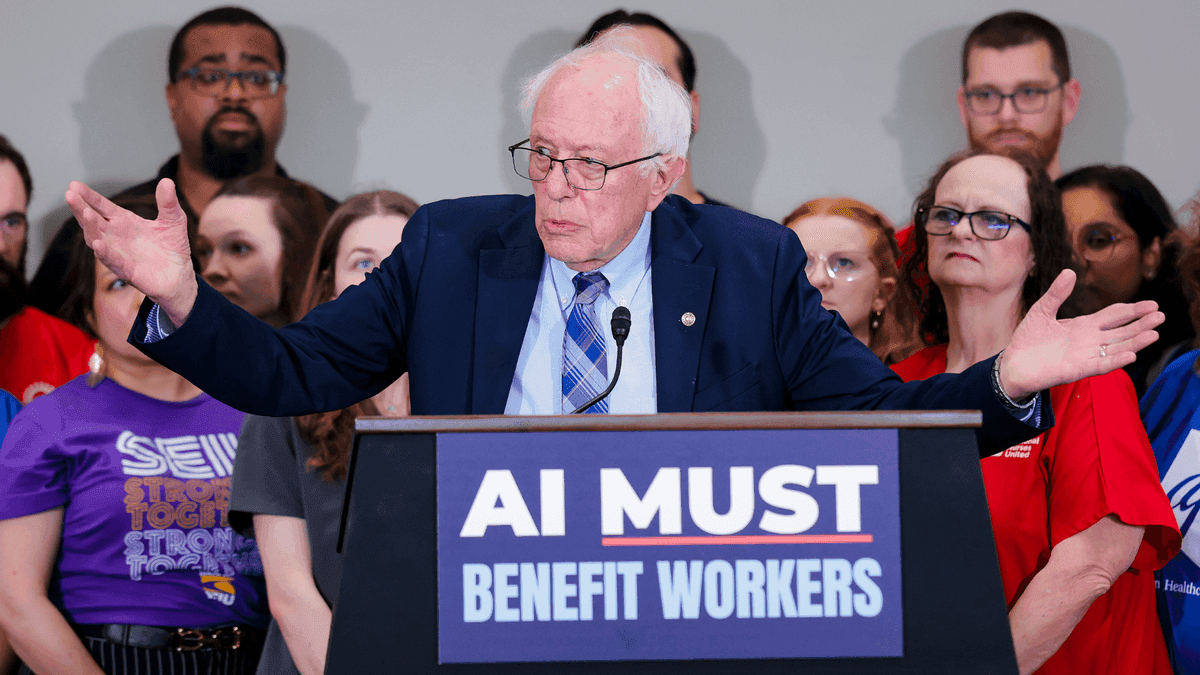
By Michael R. Bloomberg, Bloomberg Opinion The Tribune Content Agency In the push to regulate artificial intelligence, a dangerous idea is gaining ground in Washington: handing the government ownership stakes in the biggest AI companies. Both parties see immediate dollar signs. Neither is thinking longer-term. Somewhere, Karl Marx is smiling. It's not surprising that Vermont's socialist senator wants to require the big AI labs to fork over 50% of their equity to a "sovereign wealth fund," but the president also seems to like the concept, saying that it "would be a beautiful thing" for the government to take an equity stake in AI companies. Democrats and Republicans have offered little criticism of their party comrades, increasing the possibility that some form of this terrible idea may come to pass. The president said that government ownership would ensure that "the American people can benefit from the success of AI." But the fact of the matter is: The American people already benefit from the success of AI, whether that's individuals using chatbots, banks using it for fraud detection, doctors using it to fight diseases, small-business owners using it to help with bookkeeping and marketing, farmers using it to maximize yields, pension funds and other investors using it to optimize their portfolios, or any of the other nearly endless uses for which it may be deployed. And we are still only in the very early stages of realizing the full range of benefits. As technology improves, the public benefits should continue to expand, through rising productivity, faster economic growth and greater innovation. New AI companies being formed will help spur the formation of other new companies, generating jobs. And as AI companies go public, their profits will be diffused even more broadly. All of this should generate greater tax revenue for governments, allowing for more investment in essential services, including education, job training and a stronger safety net for those who lose their jobs due to AI. If AI companies aren't paying into the public fisc, the answer isn't to take ownership of them. It's to fix the tax code. Just as we are only beginning to reap the benefits of AI, we are still in the early stages of learning its downsides. But they will be infinitely greater if government becomes a part owner of the industry. When the government becomes a shareholder in a private-sector entity, the positive effects of market competition can break down. Politics trump profits, favoritism and cronyism take root, innovation suffers, competitiveness erodes, and regulation is corrupted. Instead of a meritocracy where the best products and services compete to win, the market becomes a smoke-filled backroom where success is determined by political connections, lobbying budgets and electoral considerations, all of which will corrupt regulatory decisions, stifle competition and diminish innovation. And the more taxpayer money that's on the line, the greater the incentives will be for companies to stick with politically safe decisions rather than take risks that could reap large rewards. As if all that isn't bad enough: When the companies become too big and bloated to fail, the public will be on the hook for the bailouts. The history of governments and industries getting into bed together - including America's inefficient defense-industrial base - should serve as a warning. Likewise, OpenAI's reported offer to the federal government of a 5% ownership stake is less a validation of the idea than a red flag. The biggest firms, with their armies of lawyers and lobbyists, are already too likely to entrench their advantages over startups, shaping the rules in their own favor. If government is to become not just a regulator but also a part owner, it will be even easier for the big firms to block out smaller ones, hurting innovation and consumer choice, depressing wages and raising prices. American AI companies have become the envy of the world because they've been able to nimbly experiment, test far-out ideas, tolerate failure and shoot for the moon without undue interference from the government. That the federal government has already become a part owner of a variety of tech companies across numerous industries does not mean it should expand the list. The rationale for these agreements has varied - bolstering supply chains, protecting national security, getting a "piece of the action" - but they're all misguided. And with AI, the risks of these arrangements will be greatly amplified. Consider the fact that AI companies are often speech platforms. In addition to concerns about censorship or surveillance, the likelihood that politics will start to infect AI output is alarmingly high. Free speech activists are rightfully ringing alarm bells about government ownership. Whatever one's view of the current administration, the possibility of government dictating and distorting AI outputs - information, data and knowledge itself - should send chills up the spine. The potential for propaganda would make George Orwell blush. And the more capable AI becomes, the more worrisome this possibility will be. To put it plainly: The White House is contemplating granting the government enormous new powers by taking an ownership role in companies that may well shape the future of technology, science, education, warfare, communications and much else - endangering not just the nation's economy, but also our freedom and democracy. Marx would love it. The rest of us should demand that both parties reject it. ____ Michael R. Bloomberg is the founder and majority owner of Bloomberg LP, the parent company of Bloomberg News, and the founder of Bloomberg Philanthropies. Copyright 2026 Tribune Content Agency. All Rights Reserved. This story was originally published July 21, 2026 at 5:05 AM.
Share
Copy Link
President Trump is considering taking government stakes in AI companies, with OpenAI's Sam Altman proposing a 5% donation to a public wealth fund. Billionaire Michael Bloomberg warns the plan would lead to cronyism and corruption, arguing that taxation offers a better path to distribute AI benefits than government ownership in AI companies.
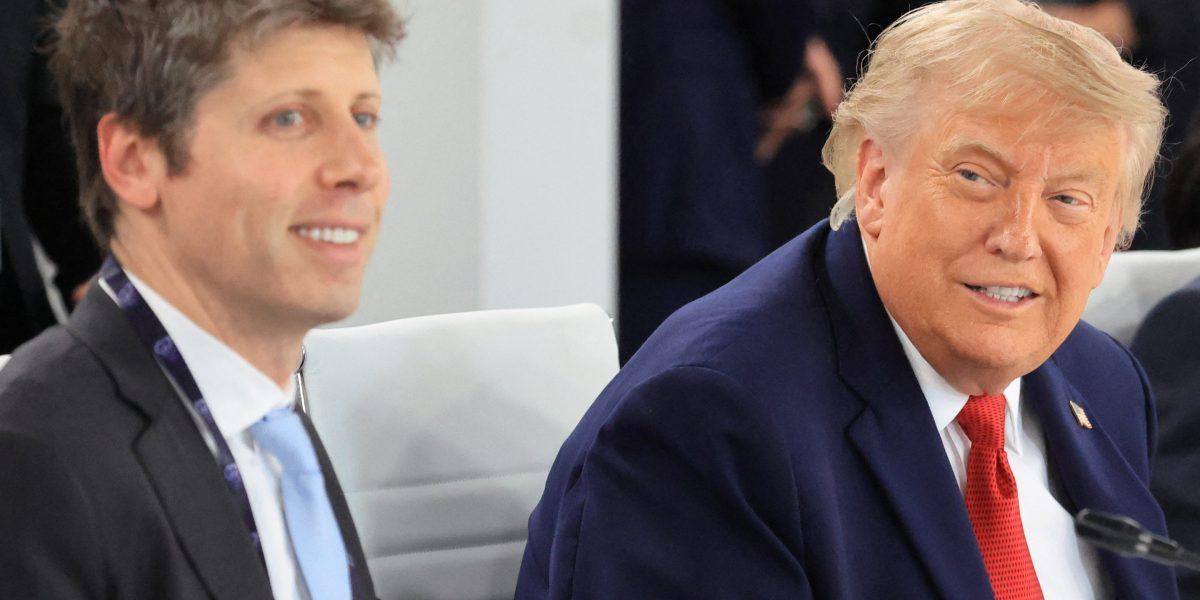
President Donald Trump is exploring a controversial proposal that would give the federal government ownership stakes in major AI companies, marking a significant shift in how Washington engages with the technology sector. Since taking office 18 months ago, the Trump administration has already announced investments worth $26.7 billion in equity across 30 companies, transforming Uncle Sam into an active shareholder
1
. Now, Trump's AI ownership plan goes further, with Sam Altman of OpenAI reportedly proposing that his company donate 5 percent of its shares to a public wealth fund, encouraging other AI companies to follow suit1
.
Source: Fortune
At OpenAI's latest private valuation of $852 billion, a 5 percent stake would be worth $42.6 billion. If the government took similar positions in the top dozen tech companies involved in artificial intelligence—including Nvidia, Alphabet, and Microsoft—the public wealth fund would hold shares worth well over $1 trillion
1
. "It almost becomes a partnership with the American public," Donald Trump said about the concept. "The American people can benefit from the success of A.I. ... It would be a beautiful thing. And it would make them rich"1
.Billionaire Michael Bloomberg has emerged as a vocal critic of government ownership in AI companies, warning that the proposal would corrupt market competition and regulatory oversight. In a Bloomberg Opinion column, he argued that the plan would turn Washington from an industry regulator into an investor with profit incentives, leading to widespread cronyism and corruption
2
. "Somewhere, Karl Marx is smiling," Bloomberg wrote of the centrally planned economy on offer, while the propaganda possibilities would "make George Orwell blush" .The former New York City mayor contends that Americans already benefit from AI companies through applications in fraud detection, medical research, bookkeeping, and other services
3
. He argues that if AI companies aren't contributing enough to the public, Washington should reform the tax code rather than take equity positions. "When the government becomes a shareholder in a private-sector entity, the positive effects of market competition can break down," Bloomberg wrote. "Politics trump profits, favoritism and cronyism take root, innovation suffers, competitiveness erodes, and regulation is corrupted"3
.Concerns about government stake arrangements distorting market competition aren't theoretical. The Trump administration's largest equity bet so far—an $8.9 billion investment in Intel—illustrates the risks
1
. Around the time of that investment, Commerce Secretary Howard Lutnick reportedly began pressuring tech leaders including Jensen Huang of Nvidia, Elon Musk of SpaceX, and Tim Cook of Apple to award contracts to Intel1
. All three now do business with Intel, raising questions about whether market competition or political pressure drove those decisions.While national security justifications exist for supporting domestic semiconductor manufacturing given dangerous reliance on Taiwan-based plants, no such rationale applies to OpenAI and other AI companies, most of which are already American
1
. Critics warn that if some AI companies donate stock to the wealth fund and others don't, the government may bias corporate customers in their choice of AI governance partners rather than letting them select based on merit1
.Related Stories
Proponents argue the public wealth fund would address AI-driven job displacement by distributing returns directly to citizens, allowing more people to participate in AI-driven growth regardless of starting wealth or access to capital
1
. However, even under bullish projections where AI company shares rise 20 percent annually—beating the S&P 500's 11.5 percent return over the past two decades—an initial $1.5 trillion endowment would grow to $9.3 trillion in ten years, yielding less than $30,000 per U.S. citizen1
.

Source: NYT
Bloomberg argues that consumers and businesses already capture AI benefits through improved productivity, faster economic growth, and greater innovation, which should generate increased tax revenue for essential services including education, job training, and stronger safety nets for those affected by AI-driven job displacement
3
. The billionaire warns that government ownership would create a "smoke-filled backroom" where success depends on political connections and lobbying budgets rather than merit2
.Beyond economic considerations, critics raise alarm about AI companies functioning as speech platforms under government ownership. Bloomberg warns that "the likelihood that politics will start to infect AI output—information, data and knowledge itself" is alarmingly high
3
. Free speech activists are ringing alarm bells about potential censorship or surveillance when Washington holds equity positions in companies that shape how millions access and process information3
.The debate reflects broader tensions as the initial bargain behind America's AI boom—private investors taking risks, companies distributing benefits through public markets later, and government regulating afterward—shows signs of collapse
2
. As costs soar, Chinese competitors gain ground, and Washington increasingly views AI as a national security asset, pressure builds for new arrangements. Through the 2028 fiscal year, the administration plans to pump about $14 billion more into government-subsidized "Trump Accounts" for children1
. Whether government stakes in AI companies follow remains to be seen, but the proposal has sparked intense debate about innovation, market competition, and the proper role of government in shaping America's technological future.Summarized by
Navi
[3]
19 Jun 2026•Policy and Regulation

05 Jun 2026•Policy and Regulation

02 Jun 2026•Policy and Regulation

1
Technology

2
Policy and Regulation

3
Science and Research