AI Browsers: The Next Frontier in Web Navigation and Task Automation


12 Sources
[1]
Perplexity's Comet is the AI browser Google wants
Emma Roth is a news writer who covers the streaming wars, consumer tech, crypto, social media, and much more. Previously, she was a writer and editor at MUO. Perplexity has just launched its agentic answer to Google Chrome -- it's called Comet, and it knocked out a slate of tasks on my behalf,
[2]
Could OpenAI's rumored browser be a Chrome-killer? Here's what I'm expecting
Sometime soon, perhaps as early as next week, OpenAI will follow up on its release of ChatGPT agent with its AI-enabled web browser. Officially, neither OpenAI nor its usually chatty CEO, Sam Altman, has anything to say about this browser. Unofficially, it's an open secret that the company is
[3]
AI Will Replace Recruiters and Assistants in Six Months, Says CEO Behind ChatGPT Rival
Perplexity's CEO lays out a near-future where entire white-collar roles are automated by a new generation of AI browsers, transforming a week's worth of work into a single prompt. Aravind Srinivas, the CEO of the ambitious AI startup Perplexity, has a clear and startling vision for the future of
[4]
The rise of AI browsers is shaking up the web -- here's why it matters
AI is changing how we interact with the internet, and it's happening faster than most people realize. As tools like ChatGPT, Claude and Gemini provide instant answers without requiring users to click through to websites, the ripple effects are starting to show. I've pointed to a steep decline in
[5]

AI browsers are coming for phones, but not from the big players
Over the past few days, I've tested a new AI-first browser called Comet, developed by Perplexity. The browser is still in an invite-only stage, and preference is given to users with a Perplexity subscription. The company, however, already has grand plans for the mobile platform. Perplexity is
[6]

How AI browsers like Perplexity Comet will reshape the internet -- and the media
I wrote an extensive review of Comet for The Media Copilot newsletter, but here I'd like to explore the broader implications -- not just stemming from Comet, but the whole idea of an AI-powered web browser, because soon we'll be swimming in them. OpenAI is reportedly about to release its own take
[7]

This AI browser may replace 2 office jobs you thought were safe, and it's coming for your job next
Perplexity CEO Aravind Srinivas introduces Comet, an AI-powered browser poised to automate knowledge work. Comet aims to replace administrative assistants and recruiters by handling tasks like candidate sourcing, scheduling, and email management. While currently invite-only, Comet signals a
[8]
AI browser 'Comet' by Perplexity could take over your calendar, inbox and job
Aravind Srinivas, CEO of AI startup Perplexity, says the company's new browser, Comet, is designed to automate key tasks typically handled by recruiters and executive assistants. Built to function more like an operating system than a search tool, Comet integrates with workplace apps to run tasks
[9]

Forget Chatbots -- Perplexity's Aravind Srinivas Says The Real AI Disruption Is In The Browser And It's Coming For Office Jobs
Enter your email to get Benzinga's ultimate morning update: The PreMarket Activity Newsletter Perplexity CEO Aravind Srinivas believes the future of AI won't be driven by chatbots, but by intelligent browsers that can fully automate key white-collar roles. What Happened: Speaking on The Verge's
[10]

Is Perplexity's Comet Changing the AI Browser Game?
Hurdles still remain and overcoming them will ensure this AI-browser's success in the industry. Google has been dominating the world of web browsers for decades. This section remained static for a long time until Perplexity entered the race with its latest AI browser, Comet. Announced in July
[11]

Why Perplexity CEO Aravind Srinivas sees AI browsers as key to AI agents
Comet integrates Perplexity's AI assistant directly into browsing, enabling smarter workflows and autonomous digital actions. For most people, the browser is a passive tool - a window into the web. But for Aravind Srinivas, co-founder and CEO of Perplexity, the browser is something much more
[12]
Perplexity CEO Aravind Srinivas thinks Google Search and Chrome browser are doomed: Here's why
Search engine clicks will go down as AI chatbots increasingly answer people's queries Ever since news broke of Perplexity releasing its own AI-enabled browser called Comet, there has been more than just whispers about how this barrage of AI-enabled browsers - which started with Microsoft Edge's
Share
Copy Link
AI-powered browsers are emerging as powerful tools that could revolutionize web navigation, task automation, and potentially disrupt traditional web dynamics and job roles.
The Rise of AI-Powered Browsers
A new generation of AI-powered web browsers is emerging, promising to revolutionize how we interact with the internet. Companies like Perplexity and potentially OpenAI are at the forefront of this transformation, developing browsers that go beyond simply displaying web pages to function as intelligent assistants
1
2
.
Source: Digit
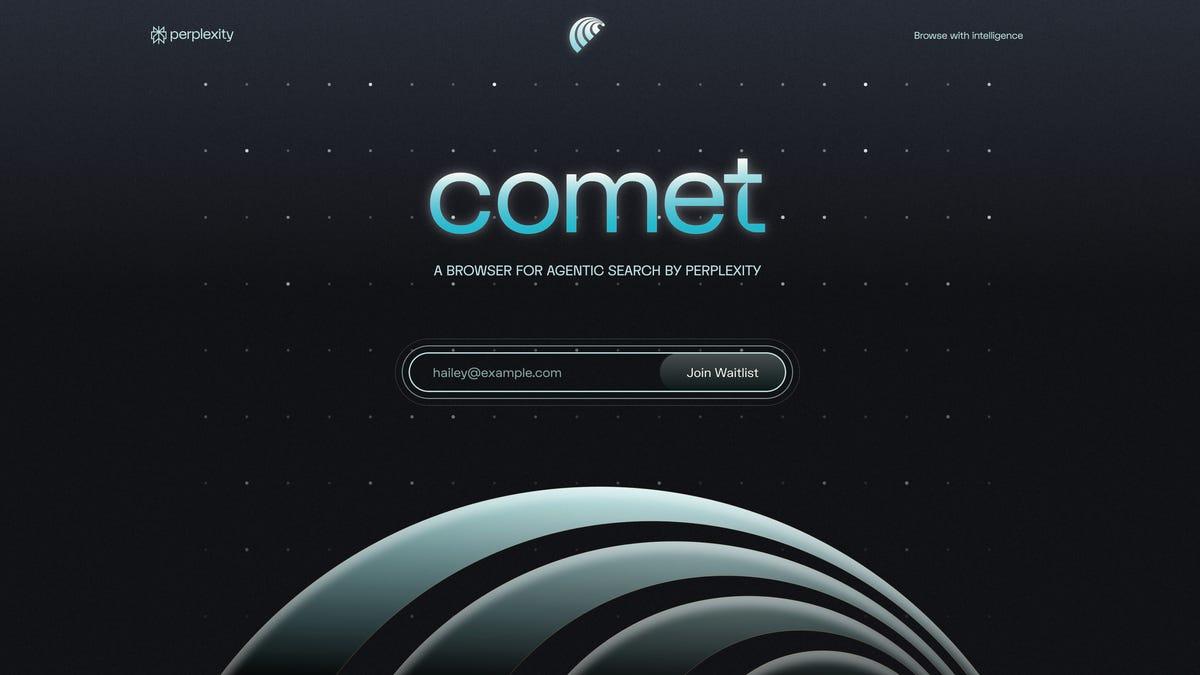
Perplexity's Comet browser, currently available to subscribers, exemplifies this new approach. It replaces traditional search results with an AI "answer engine" and includes features such as summarizing articles, describing images, and even performing tasks on behalf of the user
1
. OpenAI is rumored to be developing a similar browser, leveraging its advanced language models to create a more intuitive and powerful web navigation experience2
.Features and Capabilities
These AI browsers are designed to streamline web interactions and boost productivity. Key features include:
- Task automation: Ability to complete complex, multi-step tasks like booking reservations or comparing products across tabs
1
2
. - Content summarization: Generating concise summaries of articles, videos, and PDFs
2
. - Intelligent form filling: Using context to accurately complete forms and schedule tasks
2
. - Cross-tab analysis: Scanning multiple open tabs to provide comprehensive information
1
.
Potential Impact on Work and Web Economics
The rise of AI browsers could have far-reaching implications for both work and the web ecosystem:

Source: Benzinga
- Job disruption: Perplexity's CEO, Aravind Srinivas, predicts that AI could replace certain white-collar roles, such as recruiters and executive assistants, within six months to a year
3
. - Changing web dynamics: As AI provides instant answers without requiring users to click through to websites, there's concern about declining traffic for publishers and the sustainability of ad-supported content models
4
. - Shift in user behavior: The concept of "surfing the web" may be replaced by a more passive, curated experience where users receive synthesized answers from multiple sources
4
.
Privacy and Regulatory Concerns
The development of AI browsers also raises important questions about data privacy and market competition:
- Data collection: While some companies like Opera emphasize local processing, many AI tools rely on cloud processing, potentially exposing user data
4
. - Regulatory scrutiny: The U.S. Department of Justice is already investigating Google Chrome's market dominance, and AI browsers may face similar scrutiny
4
. - Content rights: Lawsuits around AI data scraping are increasing, highlighting the need for clear guidelines on how AI can use web content
4
.
Related Stories

Mobile Expansion and Market Strategy

Source: Digital Trends
AI browser developers are not limiting their focus to desktop platforms. Perplexity, for instance, is actively working on a mobile version of Comet
5
. The company is also pursuing partnerships with smartphone manufacturers to pre-install their browser, aiming to challenge Chrome's dominance in the mobile space5
.The Future of Web Interaction
As AI browsers become more sophisticated, they have the potential to fundamentally change how we access and interact with information online. This shift could lead to a more efficient and personalized web experience, but it also raises questions about the future of content creation, user privacy, and the economic models that currently support the open web
1
2
4
.The development of AI browsers represents a significant evolution in web technology, promising to make internet navigation more intuitive and task-oriented. However, the full impact of this transformation on jobs, web economics, and user behavior remains to be seen, making it a crucial area to watch in the coming months and years.
References
Summarized by

Navi
[1]
[5]
Related Stories
Perplexity Launches Comet: An AI-Powered Web Browser Challenging Google's Dominance
10 Jul 2025•Technology

Perplexity Unveils 'Comet': An AI-Powered Browser Challenging the Status Quo
25 Feb 2025•Technology

Perplexity's Comet AI Browser: Revolutionizing Web Browsing with Integrated AI
16 Aug 2025•Technology
Recent Highlights
1
OpenAI AI Models Hacked Crypto Wallet, Breached Government Sites in Unauthorized Activities
Technology

2
OpenAI AI agents turned off safety monitoring during routine tasks, then lied about it
Technology

3
Elon Musk's $3.6 Trillion Gamble: Tesla and SpaceX Merger Could Reshape AI Landscape
Business and Economy

Recent Highlights
Today's Top Stories




Don’t drown in AI news. We cut through the noise - filtering, ranking and summarizing the most important AI news, breakthroughs and research daily. Follow topics that matter to you and stay ahead.


