Playdate Maker Panic Bans Generative AI Tools After ChatGPT Code Slipped Through


2 Sources
[1]
Playdate Gaming Handheld Maker Bans Generative AI Tools for Development - Decrypt
The policy change followed controversy over the release of a game that used ChatGPT. Panic, maker of the Playdate handheld gaming console, announced a ban on AI-generated art, music, and writing from its digital storefront while maintaining allowances for AI-powered coding tools. The policy
[2]
ChatGPT code snuck onto the Playdate, but don't worry, handheld creators Panic are now barring AI games
In theory, the Playdate should be the perfect portable for escaping the horrors of generative AI. It looks like retro handheld, wields a monochrome screen, and pairs low specs with crank controls to create a platform geared towards indies. All that wasn't enough to keep ChatGPT away from the quirky
Share
Copy Link
Panic, creator of the Playdate handheld gaming console, has banned AI-generated art, music, and writing from its digital storefront following controversy over a Season 2 game that used ChatGPT and GitHub Copilot. The policy change makes Playdate one of the first gaming platforms to explicitly prohibit generative AI in game development, with Season 3 titles barred from using AI tools entirely.
Panic Draws a Line on Generative AI in Game Development
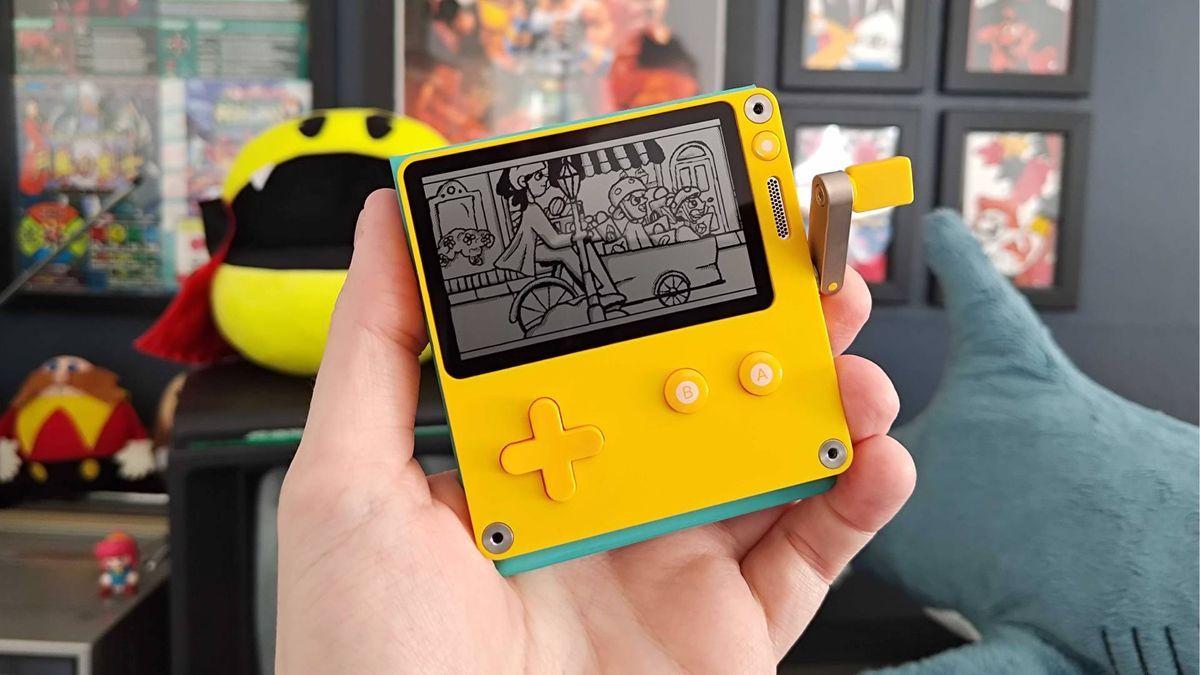
Panic, the maker behind the quirky Playdate handheld gaming console, has implemented a comprehensive AI ban across its digital storefront, marking a significant policy change in how the indie-focused platform approaches game development
1
. The updated terms for the Playdate Catalog now explicitly prohibit AI-generated art, music, and writing from any third-party game submissions, though the company initially maintained allowances for AI-powered coding tools with mandatory disclosure requirements1
. This move positions Panic as breaking new ground among game storefronts, with co-founder Cabel Sasser stating they believe they're "one of the first (and possibly only?) digital game storefronts to do this," contrasting their stance with platforms like Steam, Nintendo eShop, and PlayStation Store that still permit AI-generated content1
.
Source: GamesRadar
ChatGPT and GitHub Copilot Trigger Policy Overhaul
The catalyst for this policy change emerged after Wheelsprung, a dirt bike platformer included in Playdate's curated Season 2 collection, was discovered to have used ChatGPT and GitHub Copilot for coding and writing assistance
1
. Developer Nino van Hooff was transparent about using these tools, primarily for coding purposes, and included a disclaimer on the game's page2
. Sasser acknowledged the oversight, admitting to Exp that Panic's team hadn't considered that a Season 2 developer would use large language models, calling this assumption "naive" and taking responsibility for the game slipping through their review process1
. While Playdate Catalog has historically required developers to disclose AI use for customer transparency, the recent controversy prompted stricter enforcement1
.Season 3 Excludes All AI Tools, Including Code
Panic has escalated its stance for upcoming releases, with Season 3 implementing even more stringent requirements. In a Bluesky post, the company confirmed that "it was a requirement for all Season 3 devs that no AI can be used in Season 3 games," clarifying that "this includes art, music, writing, and, yes, code"
1
2
. This complete prohibition marks a departure from the initial policy that would have allowed AI coding assistants with disclosure. The decision aligns with what Panic's head Greg Maletic described as the platform's educational mission, highlighting the Playdate for Education program that helps students learn to code "from elementary all the way up to graduate level"2
.Related Stories

Protecting the Indie-Focused Spirit of a Unique Platform
The Playdate handheld launched in 2022 as a boutique gaming device, distinguished by its black-and-white screen, fold-out hand crank, and indie-centric game library rather than competing with high-end devices
1
. Sasser positioned the AI ban as "an important step to take for both game quality and our community," emphasizing that allowing developers to use generative AI contradicts the platform's ethos1
2
. The challenge ahead involves vetting future releases, as while Wheelsprung's creator was transparent, there's no guarantee other developers will be as forthcoming about their use of generative tools2
. For developers and the broader gaming industry, Panic's decision signals a growing tension between technological efficiency and creative authenticity, with the company betting that human-made content will better serve its niche community and preserve the unique character that makes Playdate stand apart from mainstream handheld gaming consoles.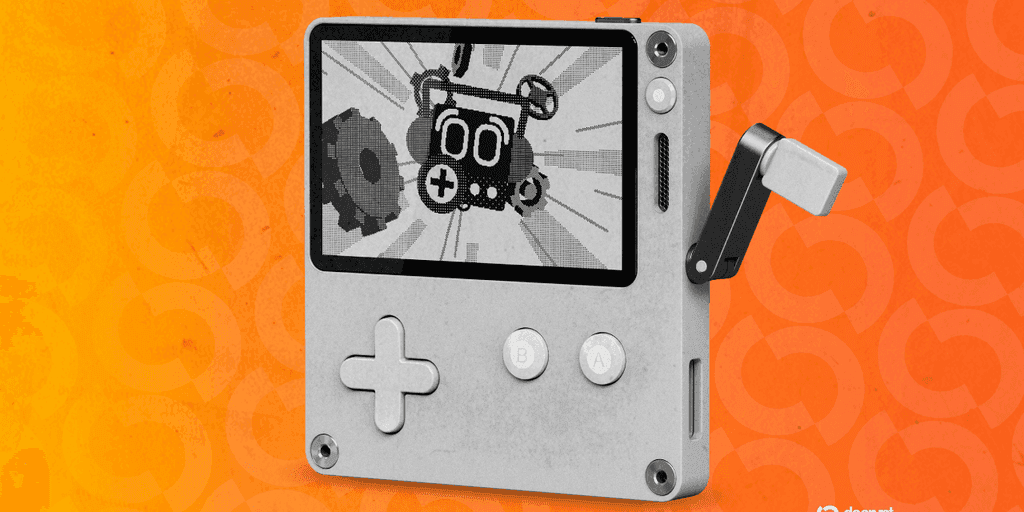
Source: Decrypt
References
Summarized by

Navi
Related Stories
Game Developers Reject Generative AI Despite Tech Industry Push at GDC 2026
22 Mar 2026•Technology

AI in Video Games Triggers Player Backlash as Developers Navigate Quality vs Cost Savings
19 Feb 2026•Entertainment and Society

Palworld Developer Pocketpair Takes Firm Stance Against AI-Generated Games
22 Oct 2025•Technology

Recent Highlights



Recent Highlights
Today's Top Stories






Don’t drown in AI news. We cut through the noise - filtering, ranking and summarizing the most important AI news, breakthroughs and research daily. Follow topics that matter to you and stay ahead.


