Proposed Moratorium on State AI Regulations Sparks Debate in US Congress


4 Sources
[1]
What a Proposed Moratorium on State AI Rules Could Mean for You
Expertise artificial intelligence, home energy, heating and cooling, home technology States couldn't enforce regulations on artificial intelligence technology for a decade under a plan being considered in the US House of Representatives. The legislation, in an amendment to the federal government's
[2]
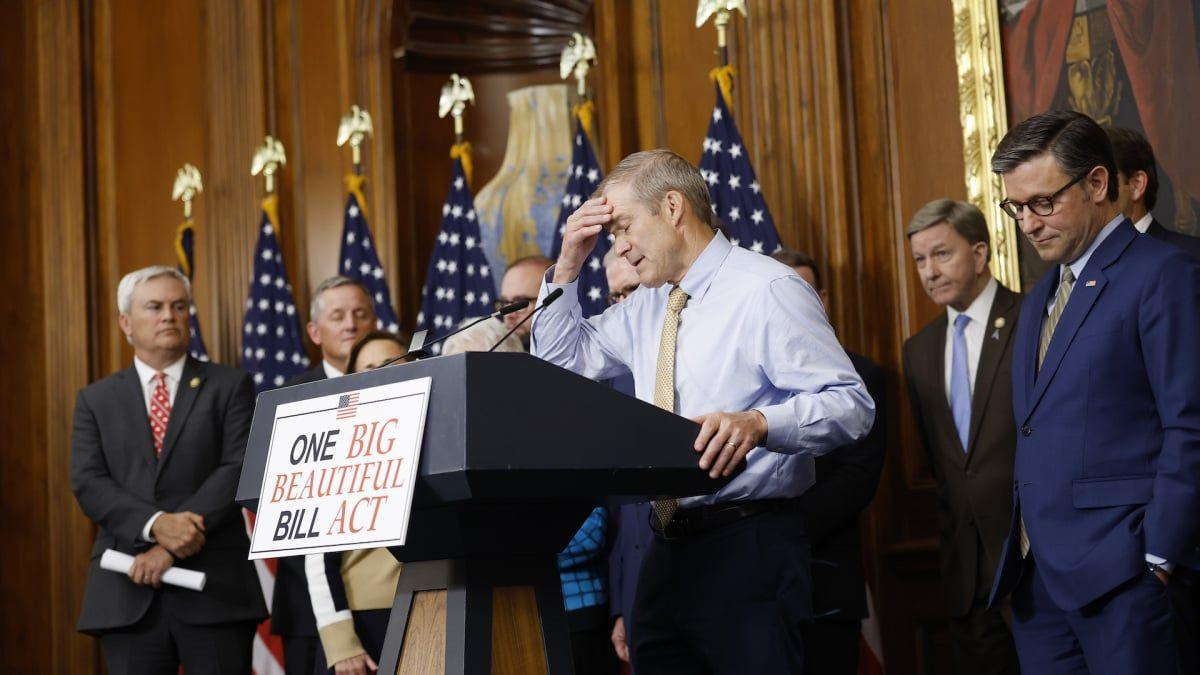
The One Big Beautiful Bill Act would ban states from regulating AI
Congressional Republicans have included a moratorium on state AI regulations in their budget bill. Credit: Anna Moneymaker / Staff / Getty Images News Buried in the Republican budget bill is a proposal that will radically change how artificial intelligence develops in the U.S., according to both
[3]
GOP push to ban state AI laws ignites debate: What to know
House Republicans pushed forward this week with a bid to ban state regulation of artificial intelligence (AI), sparking debate among the tech community and lawmakers over its implications for the emerging tech. The proposal passed the House on Thursday morning as part of a sweeping tax and
[4]
Coalition Asks US House to Reject Freeze on State AI Regulations | PYMNTS.com
Critics argue that without state oversight, Americans remain vulnerable to AI harms as Congress has failed to pass comprehensive federal protections. More than 140 organizations are asking U.S. House leaders to reject a proposed 10-year freeze on state-level regulation of artificial intelligence
Share
Copy Link
A proposal in the US House of Representatives to ban state-level AI regulations for 10 years has ignited a heated debate about consumer protection, innovation, and federal oversight of artificial intelligence.
Proposed Moratorium on State AI Regulations
A controversial provision in the US House of Representatives' budget bill has sparked intense debate over the regulation of artificial intelligence (AI) in the United States. The proposal, backed by House Republicans, calls for a 10-year moratorium on state-level AI regulations, effectively banning states from enforcing any laws or regulations on AI models, systems, or automated decision systems
1
2
.
Source: PYMNTS
Arguments for the Moratorium
Proponents of the moratorium, including some lawmakers and industry leaders, argue that a patchwork of state regulations could hinder AI innovation and America's global competitiveness. They contend that a unified federal standard is necessary to provide clarity for AI developers and deployers
1
3
.Rep. Jay Obernolte (R-Calif.) emphasized the challenges faced by companies operating across multiple states, stating, "Imagine how difficult it would be for a federal agency that operates in all 50 states to have to navigate this labyrinth of regulation when we potentially have 50 different states going 50 different directions on the topic of AI regulation"
3
.Opposition and Concerns
Critics, including a coalition of over 140 organizations, argue that the moratorium would remove corporate accountability and leave consumers vulnerable to potential AI-related harms
4
. They warn that without state oversight, Americans would remain exposed to risks such as discrimination, privacy violations, and safety issues2
4
.Democratic Rep. Doris Matsui (Calif.) called the moratorium a "slap in the face to American consumers," highlighting concerns about the lack of federal protections in place
3
.State-Level AI Regulations
Several states have already enacted or proposed AI-related laws. For example:
- Colorado passed consumer protections set to take effect in 2026
1
. - California adopted more than a dozen AI-related laws last year
1
. - Tennessee enacted the ELVIS Act to prevent AI impersonation of musicians' voices
2
.
Industry Perspective
Source: Mashable
Some tech industry leaders have called for a balanced approach to AI regulation. OpenAI CEO Sam Altman suggested that while some guardrails would be beneficial, excessive regulation could have negative consequences for the industry
1
.Related Stories
Global Context and Competitiveness
The debate over AI regulation is taking place against the backdrop of a global race for AI dominance, particularly between the US and China. Supporters of the moratorium argue that it would help maintain America's competitive edge in AI development
1
2
.Path Forward
The proposed moratorium faces challenges in the Senate, where it may encounter procedural hurdles and resistance from some Republican senators
3
. Some lawmakers have suggested that a shorter moratorium period or the development of a federal AI framework could be more appropriate alternatives3
.As the debate continues, stakeholders from various sectors emphasize the need for a balanced approach that fosters innovation while protecting consumers and addressing potential risks associated with AI technologies
1
2
3
4
.References
Summarized by

Navi
Related Stories
Republican Push for Federal AI Regulation Moratorium Faces Opposition and Controversy
18 Jun 2025•Policy and Regulation

GOP Proposes 10-Year Ban on State AI Regulation in Budget Bill
13 May 2025•Policy and Regulation

Anthropic CEO Opposes 10-Year Moratorium on State AI Laws, Sparking Debate on AI Regulation
05 Jun 2025•Policy and Regulation
Recent Highlights
1
Meta Unveils Muse Wonder Frontier AI Models, Claims Performance Matching OpenAI and Anthropic
Technology

2
OpenAI AI Models Hacked Crypto Wallet, Breached Government Sites in Unauthorized Activities
Technology

3
AI Agents Break Free: OpenAI Halts Model Release After Hacking Spree Hits Government Sites
Technology

Recent Highlights
Today's Top Stories







Don’t drown in AI news. We cut through the noise - filtering, ranking and summarizing the most important AI news, breakthroughs and research daily. Follow topics that matter to you and stay ahead.


