GOP Proposes 10-Year Ban on State AI Regulation in Budget Bill


26 Sources
[1]
GOP sneaks decade-long AI regulation ban into spending bill
On Sunday night, House Republicans added language to the Budget Reconciliation bill that would block all state and local governments from regulating AI for 10 years, 404 Media reports. The provision, introduced by Representative Brett Guthrie of Kentucky, states that "no State or political
[2]
States Want to Regulate AI. Why Congress May Push Back
Expertise artificial intelligence, home energy, heating and cooling, home technology States wouldn't be able to enforce their own regulations on artificial intelligence technology for a decade under a plan being considered in the US House of Representatives. The legislation, to be considered
[3]
Why Congress May Push Back on State AI Regulations
Expertise artificial intelligence, home energy, heating and cooling, home technology States will not be able to enforce their regulations on artificial intelligence technology for a decade under a plan being considered in the US House of Representatives. The legislation, in an amendment being
[4]
Congress Might Halt State AI Regulations. What It Means for You and Your Privacy
Expertise artificial intelligence, home energy, heating and cooling, home technology States will not be able to enforce their regulations on artificial intelligence technology for a decade under a plan being considered in the US House of Representatives. The legislation, in an amendment accepted
[5]
Republicans push for a decadelong ban on states regulating AI
Republicans want to stop states from regulating AI. On Sunday, a Republican-led House committee submitted a budget reconciliation bill that proposes blocking states from enforcing "any law or regulation" targeting an exceptionally broad range of automated computing systems for 10 years after the
[6]
GOP sneaks 10-year halt to AI regulation decree into budget bill
House republicans are trying to sneak a 10-year pause on AI regulation into the Budget Reconciliation bill. Representative Brett Guthrie (R-KY), who chairs the House Committee on Energy and Commerce, introduced a provision to the Budget Reconciliation bill last Sunday night that will prevent
[7]

US AI laws risk becoming more 'European' than Europe's
There was no mistaking the mood in the Senate room in Washington last Thursday as politicians and tech bosses debated artificial intelligence. The consensus was that it was essential for the US to deregulate and accelerate investment in order to outrun China in the latest technological arms race.
[8]

AI regulation ban meets opposition from state attorneys general over risks to US consumers
May 16 (Reuters) - A Republican proposal to block states from regulating artificial intelligence for 10 years drew opposition on Friday from a bipartisan group of attorneys general in California, New York, Ohio and other states that have regulated high-risk uses of the technology. The measure
[9]

House Republicans include a 10-year ban on US states regulating AI in 'big, beautiful' bill
WASHINGTON (AP) -- House Republicans surprised tech industry watchers and outraged state governments when they added a clause to Republicans' signature " big, beautiful " tax bill that would ban states and localities from regulating artificial intelligence for a decade. The brief but consequential
[10]

Republicans Pander to Big Tech With Proposed 10-Year Ban on State AI Regulations
The United States doesn't have a comprehensive legislative framework regulating AI. If states can't make laws, Big Tech can continue doing as it pleases. Over the weekend, Republicans in the House unveiled a sweeping budget proposal that includes massive cuts to Medicaid, food assistance, climate
[11]

Opinion | A ban on state-level AI regulation would put Americans at risk
States are an important testing ground for new policy ideas. This moratorium would undermine that. Scott Brennen is director of the NYU Center on Technology Policy. Zeve Sanderson is executive director of the NYU Center for Social Media & Politics. Within the House Energy and Commerce Committee's
[12]

Republicans Try to Cram Ban on AI Regulation Into Budget Reconciliation Bill
Republicans try to use the Budget Reconciliation bill to stop states from regulating AI entirely for 10 years. Late last night, House Republicans introduced new language to the Budget Reconciliation bill that will immiserate the lives of millions of Americans by cutting their access to Medicaid,
[13]

Republicans propose prohibiting US states from regulating AI for 10 years
Last-minute add to budget bill aims to prevent laws that would create guardrails for automated decision-making systems Republicans in US Congress are trying to bar states from being able to introduce or enforce laws that would create guardrails for artificial intelligence or automated
[14]

New Law Would Ban All AI Regulation for a Decade
Republican lawmakers slipped language into the Budget Reconciliation Bill this week that would ban AI regulation, on the federal and state levels, for a decade, as 404 Media reports. An updated version of the bill introduced last night by Congressman Brett Guthrie (R-KY), who chairs the House
[15]

Trump's 'big, beautiful bill' could sideline state AI protections for a decade
A few lines of text in a sweeping new bill moving through Congress could have major implications for the next decade of artificial intelligence. Trump is pushing Republicans in Congress to pass "one, big beautiful bill," which hinges on deep cuts to popular federal assistance programs like
[16]

House Republicans include a 10-year ban on US states regulating AI in 'big, beautiful' bill
WASHINGTON -- House Republicans surprised tech industry watchers and outraged state governments when they added a clause to Republicans' signature " big, beautiful " tax bill that would ban states and localities from regulating artificial intelligence for a decade. The brief but consequential
[17]

House Republicans include a 10-year ban on US states regulating AI in 'big, beautiful' bill
WASHINGTON (AP) -- House Republicans surprised tech industry watchers and outraged state governments when they added a clause to Republicans' signature " big, beautiful " tax bill that would ban states and localities from regulating artificial intelligence for a decade. The brief but consequential
[18]

House GOP proposes 10-year ban on state AI regulations
A Republican tax bill released late Sunday seeks to block states from regulating artificial intelligence (AI) models for the next 10 years. The bill text from the House Energy and Commerce Committee would bar states from enforcing laws or regulations governing AI models, AI systems or automated
[19]
Tech safety groups slam House GOP proposal for 10-year ban on state AI regulation
A host of tech safety groups and at least one Democrat are blasting House Republicans' proposal to block states from regulating artificial intelligence (AI) models for the next 10 years, arguing consumers will be less protected. Rep. Jan Schakowsky (D-Ill.), the ranking member on the Commerce,
[20]

AI Regulation Ban Meets Opposition From State Attorneys General Over Risks to US Consumers
(Reuters) -A Republican proposal to block states from regulating artificial intelligence for 10 years drew opposition on Friday from a bipartisan group of attorneys general in California, New York, Ohio and other states that have regulated high-risk uses of the technology. The measure included in
[21]
House Republicans Include a 10-Year Ban on US States Regulating AI in 'Big, Beautiful' Bill
WASHINGTON (AP) -- House Republicans surprised tech industry watchers and outraged state governments when they added a clause to Republicans' signature " big, beautiful " tax bill that would ban states and localities from regulating artificial intelligence for a decade. The brief but consequential
[22]

House Republicans Include a 10-Year Ban on U.S. States Regulating AI in 'Big, Beautiful' Bill
House Republicans surprised tech industry watchers and outraged state governments when they added a clause to Republicans' signature "big, beautiful" tax bill that would ban states and localities from regulating artificial intelligence for a decade. The brief but consequential provision, tucked
[23]

US states oppose AI regulation ban in Trump tax bill
Attorneys general from 40 US states urged Congress to reject a 10-year ban on AI regulation proposed in Trump's tax bill. They warn it would undermine existing state laws protecting against AI harms like deepfakes and bias. The bill also faces setbacks amid Republican divisions in Congress.A mix of
[24]

Donald Trump-Backed GOP Bill Seeks To Ban States From Regulating AI For 10 Years -- Critics Calls It 'Federal Overreach' That Could Backfire
Enter your email to get Benzinga's ultimate morning update: The PreMarket Activity Newsletter A new House Republican-backed provision in Donald Trump-backed "big, beautiful" bill reportedly aims to block state and local governments from regulating artificial intelligence for the next decade -- and
[25]

House Committee Aims to Ban States From Regulating AI | PYMNTS.com
A House committee is reportedly trying to add language to President Donald Trump's tax and spending bill that would prevent states from regulating artificial intelligence. The House Energy and Commerce Committee drafted the bill and will debate it Tuesday (May 13), Bloomberg reported Monday (May
[26]

AI regulation ban meets opposition from state attorneys general over risks to US consumers
(Reuters) -A Republican proposal to block states from regulating artificial intelligence for 10 years drew opposition on Friday from a bipartisan group of attorneys general in California, New York, Ohio and other states that have regulated high-risk uses of the technology. The measure included in
Share
Copy Link
House Republicans have added a provision to the Budget Reconciliation bill that would prevent state and local governments from regulating AI for a decade, sparking debate over federal versus state control of AI oversight.

GOP Proposes Decade-Long AI Regulation Ban in Budget Bill
House Republicans have introduced a controversial provision to the Budget Reconciliation bill that would block all state and local governments from regulating artificial intelligence (AI) for 10 years
1
. The measure, proposed by Representative Brett Guthrie of Kentucky, has ignited a fierce debate over the appropriate level of government oversight for rapidly advancing AI technologies.Scope and Implications of the Proposed Ban
The provision's broad language would prevent states from enforcing both existing and future laws designed to protect citizens from potential AI-related harms. This could affect a range of state-level regulations, including:
- California's law requiring healthcare providers to disclose AI use in patient communications
1
- New York's 2021 law mandating bias audits for AI hiring tools
1
- California's upcoming legislation requiring AI developers to document training data
1
The ban could also restrict how states allocate federal funding for AI programs, potentially limiting their ability to pursue AI initiatives that diverge from federal priorities
1
.Industry Perspective and Federal Standardization
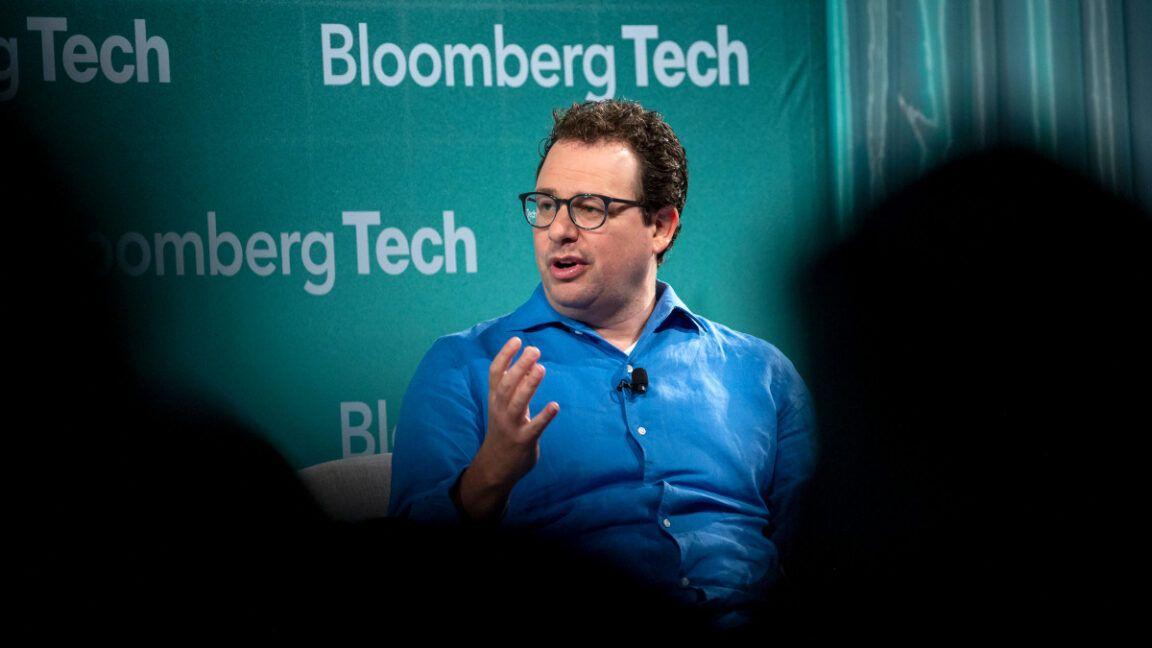
AI developers and some lawmakers argue that federal action is necessary to prevent a patchwork of state regulations that could impede technological progress. Alexandr Wang, CEO of Scale AI, emphasized the need for "one clear federal standard" to avoid conflicting requirements across states
2
.OpenAI CEO Sam Altman has expressed concerns about overly restrictive regulations, suggesting that industry self-regulation might be preferable to government-imposed rules
3
. This stance aligns with the broader push for federal preemption of state AI laws.Opposition and Concerns
The proposal has faced significant backlash from consumer advocacy groups and some Democratic lawmakers. Rep. Jan Schakowsky (D-Ill.) called it a "giant gift to Big Tech," while organizations like the Tech Oversight Project and Consumer Reports warned it could leave consumers unprotected from AI-related risks such as deepfakes and algorithmic bias
1
5
.Critics argue that the ban could lead to:
- Reduced consumer protections
- Lack of transparency and accountability in AI decision-making
- Increased potential for discrimination and privacy violations
Related Stories
State-Level AI Regulation Landscape
Prior to this proposal, states had been actively developing AI-related legislation:
- Colorado passed consumer protections set to take effect in 2026
2
- California adopted over a dozen AI-related laws in 2024
2
- State lawmakers introduced at least 550 AI-related proposals in 2025
2
Political Context and Next Steps
The provision's inclusion in the Budget Reconciliation bill could fast-track its passage, as it would only require a simple majority in the Senate rather than the usual 60 votes
5
. However, the bill still needs approval from both chambers of Congress and President Trump's signature to become law.As the debate unfolds, stakeholders from tech companies, consumer advocacy groups, and state governments are likely to intensify their efforts to shape the future of AI regulation in the United States.
References
Summarized by

Navi
[1]
Related Stories
Proposed Moratorium on State AI Regulations Sparks Debate in US Congress
22 May 2025•Policy and Regulation

Republican Push for Federal AI Regulation Moratorium Faces Opposition and Controversy
18 Jun 2025•Policy and Regulation

Anthropic CEO Opposes 10-Year Moratorium on State AI Laws, Sparking Debate on AI Regulation
05 Jun 2025•Policy and Regulation
Recent Highlights



Recent Highlights
Today's Top Stories






Don’t drown in AI news. We cut through the noise - filtering, ranking and summarizing the most important AI news, breakthroughs and research daily. Follow topics that matter to you and stay ahead.


