Prosecutors detail secret OpenAI recordings, but see no evidence of espionage


2 Sources
[1]
OpenAI engineer possessed dozens of meeting recordings, say US prosecutors
Saudi national is also alleged to have photographed confidential documents The OpenAI engineer accused of bugging the start-up's offices recorded meetings between the company and a foreign government and photographed confidential documents, US prosecutors have said. In court filings on Monday,
[2]
OpenAI Engineer Secretly Recorded Dozens of Meetings, Prosecutors Say
A court filing said the engineer captured meetings on customers, A.I. safety and a foreign government briefing. Federal prosecutors are investigating what he did with the recordings. A former OpenAI engineer accused of planting a hidden recording device at the company captured dozens of internal
Share
Copy Link
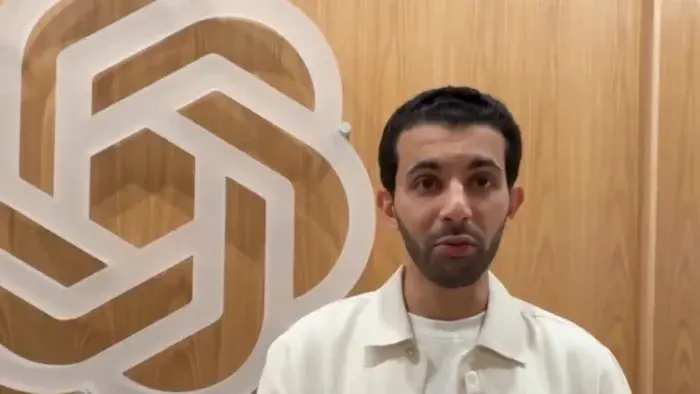
Federal prosecutors allege a former OpenAI engineer hid a recording device behind a television in one of the company's conference rooms and kept hundreds of audio files on a personal laptop, at least one of them capturing a meeting OpenAI held with representatives of a foreign government. The allegation, laid out in a Monday court filing, is the basis of the criminal case against Abdulrahman Alfozan
1
2
.
Source: FT
Alfozan, 35, is a Saudi citizen and US permanent resident who worked at OpenAI as its only Saudi employee and was also a venture partner at the Riyadh firm Raed Ventures
1
. He has pleaded not guilty to a single interception charge that carries a statutory maximum of five years in prison1
2
.What the recordings allegedly caught
Prosecutors allege Alfozan made dozens of meeting recordings over roughly three weeks in September, using a rudimentary device wrapped in toilet paper and tucked behind a television. They say the recordings totaled more than 160 hours, and that the device was caught in a routine security sweep that month
1
.The material prosecutors describe is broad. They allege the files included meetings with OpenAI customers and material OpenAI identified as attorney-client privileged. Some content, prosecutors say, appeared to involve confidential trade secrets, and the files were sorted into folders by date and renamed by content. Prosecutors also allege he photographed a confidential term sheet OpenAI had with another company
1
2
."Evidence developed to date strongly suggests the defendant recorded many meetings that he had no authority to, and did not, attend and that he did so without notice to -- let alone authorisation from -- anyone at OpenAI," prosecutors wrote in the filing
1
.The filing answers a bail request Alfozan's lawyers filed on Friday, which prosecutors oppose because they consider him a flight risk
1
2
.The espionage question
Earlier filings had already alleged that Alfozan repeatedly queried OpenAI's Codex tool for details on meetings with Humain, the Saudi AI company backed by the Public Investment Fund, and with the Saudi Ministry of Communication and Information Technology. Prosecutors also allege he searched for information about a September 9 visit by ministry officials to OpenAI's offices and was in contact with ministry representatives, including minister Abdullah Alswaha, between August and September
1
.The actual charge is narrower than the espionage questions around the case: one count of illegally intercepting conversations, with a statutory maximum of five years in prison
1
2
. Days earlier, prosecutors had told a federal judge they were "not aware of any" evidence that Alfozan committed espionage, stole trade secrets or acted as a foreign agent2
. Prosecutors have also not claimed he shared the recordings with anyone2
.David Rizk, Alfozan's lawyer, argues the case is far less serious than first suggested: most recordings "apparently contain just random noise and silence," and his client is "an overly curious tinkerer" with no bad intentions. The defense says the government has produced no evidence he acted for Saudi intelligence
1
2
.The FT says the case has deepened Silicon Valley concerns about foreign industrial espionage targeting AI groups
1
.A release hearing was scheduled for Tuesday morning, after prosecutors rejected the defense's proposed $1 million bond, and trial is set for January
1
2
. "What the defendant did or intended to do with those audio files remains under investigation," prosecutors wrote2
.Related Stories

References
Summarized by

Navi
Related Stories
FBI Arrests OpenAI Employee Abdulrahman Alfozan for Planting Surveillance Bug in Conference Room
14 Oct 2026•Policy and Regulation
OpenAI bugging case heads to a January trial, and the espionage framing is on the clock
18 Nov 2026•Policy and Regulation

OpenAI Security Concerns: Staff Warned Leaders for Years About Weak Internal Protections
04 Nov 2026•Business and Economy

Recent Highlights


Recent Highlights
Today's Top Stories





Don’t drown in AI news. We cut through the noise - filtering, ranking and summarizing the most important AI news, breakthroughs and research daily. Follow topics that matter to you and stay ahead.


