Researchers Build $7 AI-Powered Device That Detects Hidden Cameras With 94% Accuracy in Seconds


2 Sources
[1]
Researchers build a $7 smartphone clip-on that spots hidden cameras -- AI and dynamic LED grid deliver 94% accuracy
Researchers from KAIST, formerly known as the Korea Advanced Institute of Science and Technology, who collaborated with the National University of Singapore (NUS) and Singapore Management University (SMU), have developed a clip-on LED light that works in tandem with an AI app to detect hidden
[2]
This phone accessory spots hidden cameras in 5 seconds -- SweepLED prototype uses LED reflections and could cost only $7
* SweepLED can spot hidden cameras by varying its illumination * AI can detect camera lenses by the light that gets reflected back * The accessory fits on the back of a camera and works in seconds Unless you're in the safety of your own home, there's always a worry that you're being surveilled
Share
Copy Link
A team from KAIST, NUS, and SMU developed SweepLED, a $7 smartphone clip-on that uses AI and a dynamic LED grid to detect hidden cameras with 94% accuracy. The device analyzes reflection patterns from camera lenses in just 5 seconds, offering a faster and more reliable solution than manual scanning methods.
KAIST Researchers Develop Low-Cost Solution to Growing Privacy Threat
Researchers from KAIST, formerly known as the Korea Advanced Institute of Science and Technology, in collaboration with the National University of Singapore (NUS) and Singapore Management University (SMU), have developed SweepLED, a $7 smartphone clip-on designed to detect hidden cameras using AI and a dynamic LED grid. Led by Professor Jun Han from KAIST's School of Computing, the technology addresses mounting privacy concerns in spaces like Airbnbs, hotels, restrooms, and changing rooms where covert surveillance has become increasingly problematic.
1
How SweepLED Uses AI to Identify Camera Lenses
Source: TechRadar
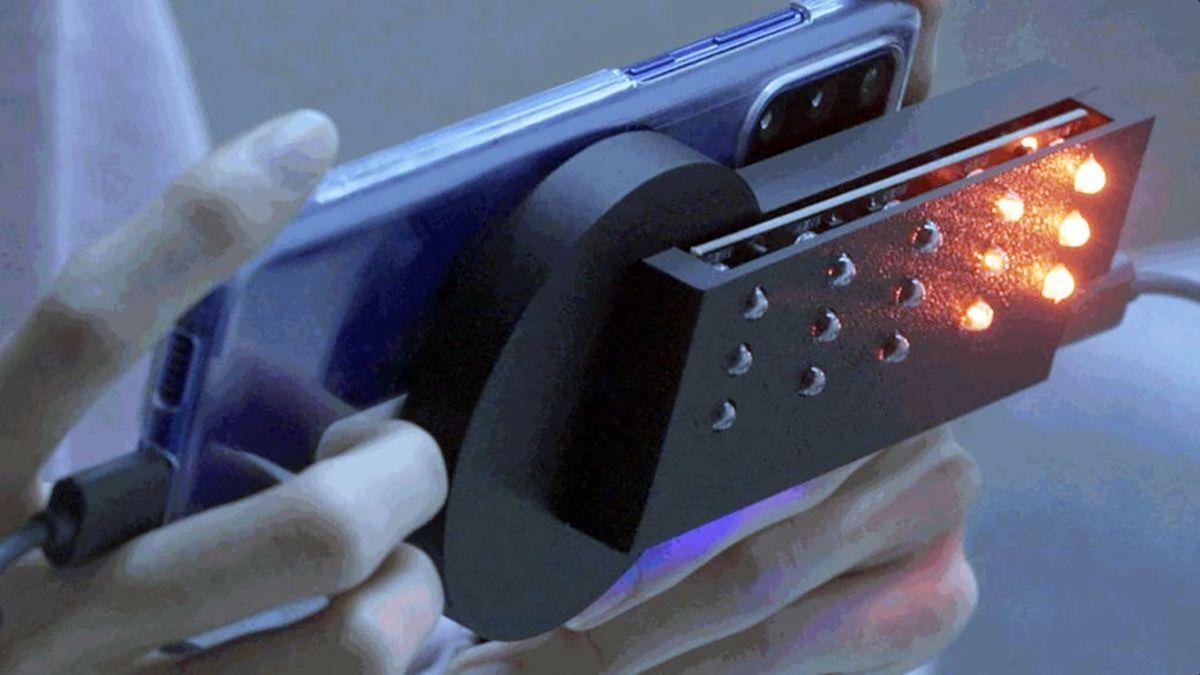
The phone accessory spots hidden cameras by combining 15 LED lights with AI-powered image analysis to identify distinctive reflection patterns from camera lenses. The device magnetically snaps to the back of a smartphone and works by continuously changing the direction of its LED lights. As these lights sweep across surfaces, reflections move or disappear on regular objects, but camera lenses—with their unique structure of apertures and sensors—exhibit consistent reflection patterns that the AI can reliably identify. This AI-driven surveillance detection method processes each object in just 5 seconds, making it significantly faster than manual scanning techniques.
2
Testing Reveals 94% Detection Accuracy Across Real-World Scenarios
The research team tested SweepLED in real-world settings across 30 different objects, some containing embedded hidden cameras. The device achieved a 93.9% detection accuracy rate, representing a substantial improvement over traditional methods that require users to manually look for bright spots as they scan rooms. Previous smartphone-based approaches using flashlights or infrared detection are tedious and prone to missing small, unnoticeable cameras, while reflection analysis apps generate frequent false positives. SweepLED's combination of hardware and AI analysis addresses these limitations by automating the detection process while maintaining high accuracy.
1
Addressing a Serious Privacy Problem in East Asia and Beyond
Source: Tom's Hardware
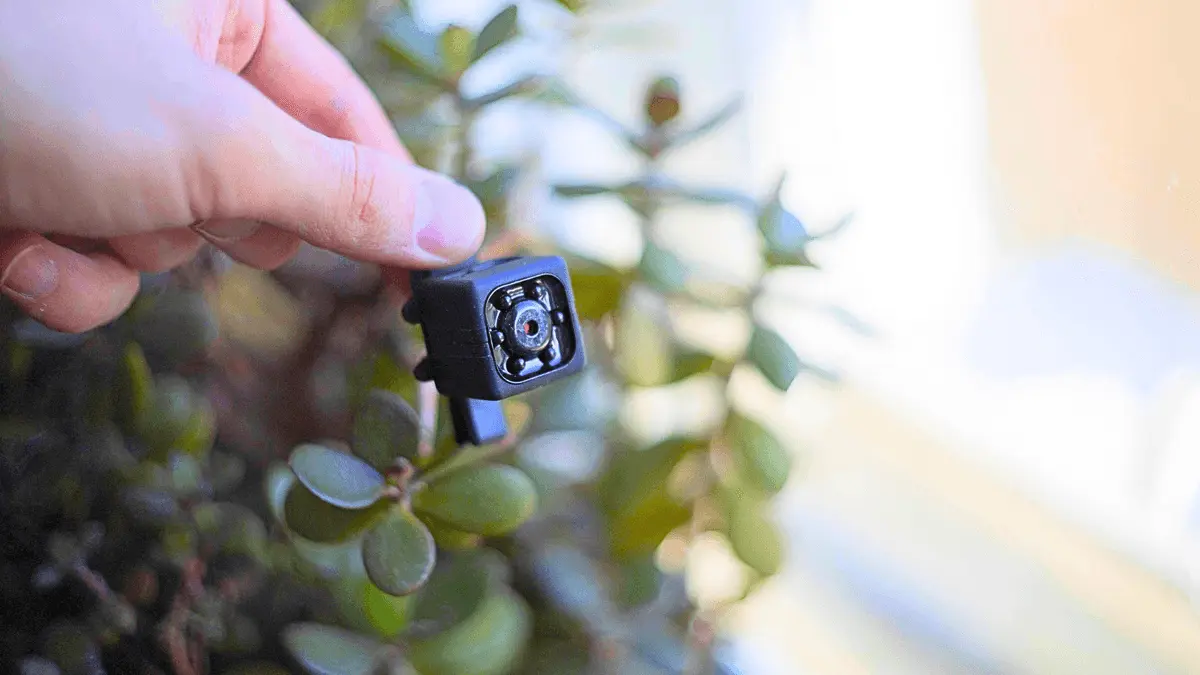
Hidden cameras placed in private areas have become such a significant problem in South Korea that women organized protests in 2018 to demand action. The issue extends across East Asia and is spreading globally as surveillance technology becomes smaller and more accessible. Professor Jun Han emphasized the importance of this work, stating that "hidden cameras pose a serious threat to personal safety and privacy in everyday spaces" and that the research presents "the possibility of a practical detection technology that even non-experts can use."
2
Related Stories

Manufacturing Costs and Future Availability
The KAIST team estimates that manufacturing costs for SweepLED would be approximately $7 (around KRW 10,000), making it an affordable solution for travelers and anyone concerned about privacy in unfamiliar spaces. The research has been presented at the ACM MobiSys 2026 conference and published online, though no specific timeline has been announced for commercial availability. The low production cost could make this technology widely accessible once it moves beyond the prototype stage.
1
2
Broader Security Risks Remain Unaddressed
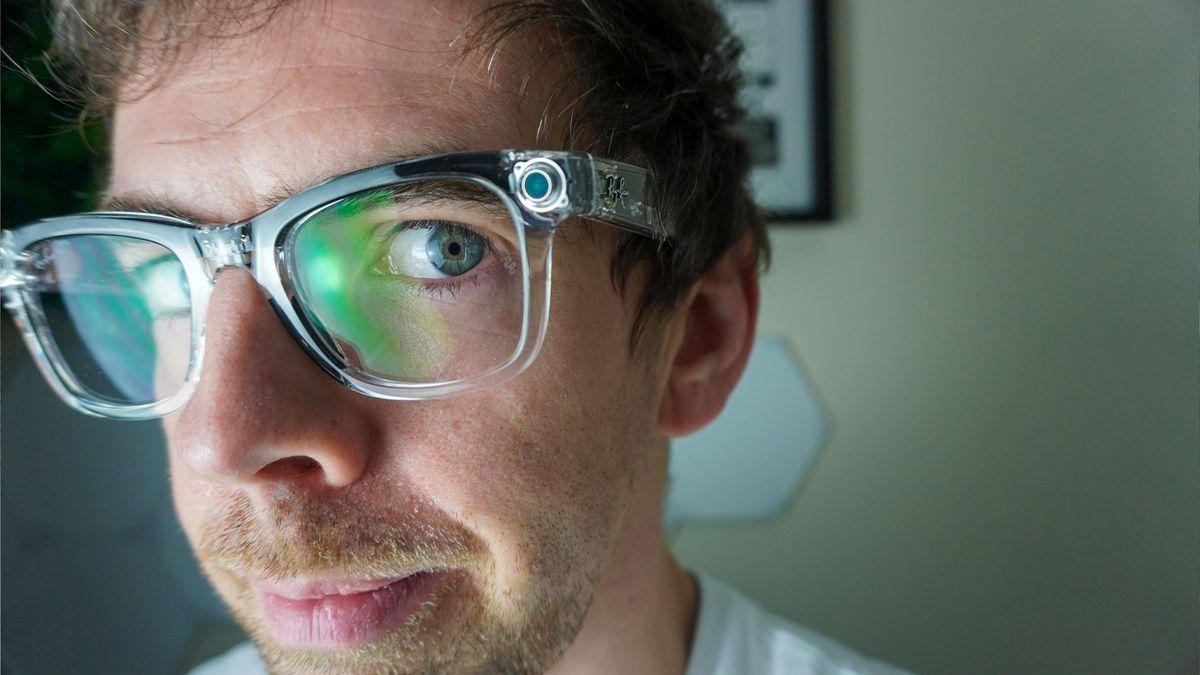
While SweepLED offers protection against hidden cameras in private spaces, it cannot address other surveillance threats. Over 40,000 security cameras worldwide are streaming footage without proper security measures, and the proliferation of smart glasses capable of recording video without visible indicators creates additional privacy concerns. These security risks have prompted responses from organizations like the U.S. Air Force, which has banned such recording devices across all its bases. The development of SweepLED represents one step toward protecting personal privacy, but broader surveillance challenges require additional solutions as recording technology becomes more ubiquitous and difficult to detect.
1
References
Summarized by

Navi
[1]
Related Stories
New app detects smart glasses nearby as privacy concerns mount over hidden cameras
25 Feb 2026•Technology
Meta AI Glasses Get Recording LED Safeguard Amid Growing Privacy Concerns and Secret Filming Cases
08 Jul 2026•Technology

Reolink Unveils AI-Powered Security Camera with Advanced Features at IFA 2025
05 Sept 2025•Technology
Recent Highlights
1
OpenAI AI Models Hacked Crypto Wallet, Breached Government Sites in Unauthorized Activities
Technology

2
IMF Report Warns AI Market Correction Could Spark Global Financial Crisis With $1.4T at Risk
Business and Economy

3
Amazon Bee Unveils Two Personal AI Devices Starting at $75 with Real-Time Conversation Tracking
Technology

Recent Highlights
Today's Top Stories











Don’t drown in AI news. We cut through the noise - filtering, ranking and summarizing the most important AI news, breakthroughs and research daily. Follow topics that matter to you and stay ahead.


