Rising Electricity Costs: The Hidden Price of AI's Data Center Boom


6 Sources
[1]
Electricity Prices are Going Up, and AI Is to Blame
Your electricity bill has likely gone up over the course of the past year. That's because you're effectively paying an AI tax. According to a report from Axios, the cost of electricity is climbing across the country, driven primarily by the increasing energy demands of massive data centers being
[2]
Electricity bills in KS and MO rising amid data center boom
Why it matters: Surging power bills could further stress many Americans' budgets as pretty much everything else gets more expensive, too. By the numbers: The nationwide average retail residential price for 1 kilowatt-hour of electricity rose about 6.5%, per the latest available data from the U.S.
[3]
Electricity costs rise amid data center boom
Why it matters: Surging power bills could further stress many Americans' budgets as pretty much everything else gets more expensive, too. By the numbers: The nationwide average retail residential price for 1 kilowatt-hour of electricity rose from 16.41 cents to 17.47 cents between May 2024 and May
[4]
Utah sees third-highest jump in U.S. electricity prices
The big picture: Power costs are rising nationwide -- and could get even higher for some amid an explosion in data centers powering AI and more. Why it matters: High utility bills could further stress many Utahns' budgets as pretty much everything else gets more expensive, too. * The state's
[5]
Electricity costs are rising, and a boom in data centers could make it worse
Why it matters: Surging power bills could further stress many Americans' budgets as pretty much everything else also gets more expensive. By the numbers: The nationwide average retail residential price for 1 kilowatt-hour of electricity rose from 16.41 cents to 17.47 cents from May 2024 to May
[6]
Here's Why Your Energy Bill Keeps Climbing-And Won't Fall Anytime Soon
Capacity costs have been passed on to consumers, who are already paying more per month on their electric bills. If your electric bill has been higher than expected this summer, you're not alone. The reason why, though, isn't just sweltering temperatures -- it's artificial intelligence (AI). Data
Share
Copy Link
Electricity prices are increasing across the United States, with data centers powering AI technologies being a significant contributor. This trend is raising concerns about energy infrastructure and the economic impact on consumers.
The Rising Cost of Electricity
Across the United States, consumers are experiencing a significant increase in their electricity bills. According to data from the U.S. Energy Information Administration, the average retail residential price for 1 kilowatt-hour of electricity rose from 16.41 cents to 17.47 cents between May 2024 and May 2025, marking a 6.5% increase
1
3
. Some states have seen even more dramatic spikes, with Maine experiencing a 36.3% increase, Connecticut 18.4%, and Utah 15.2%3
.
Source: Axios
The AI-Driven Data Center Boom
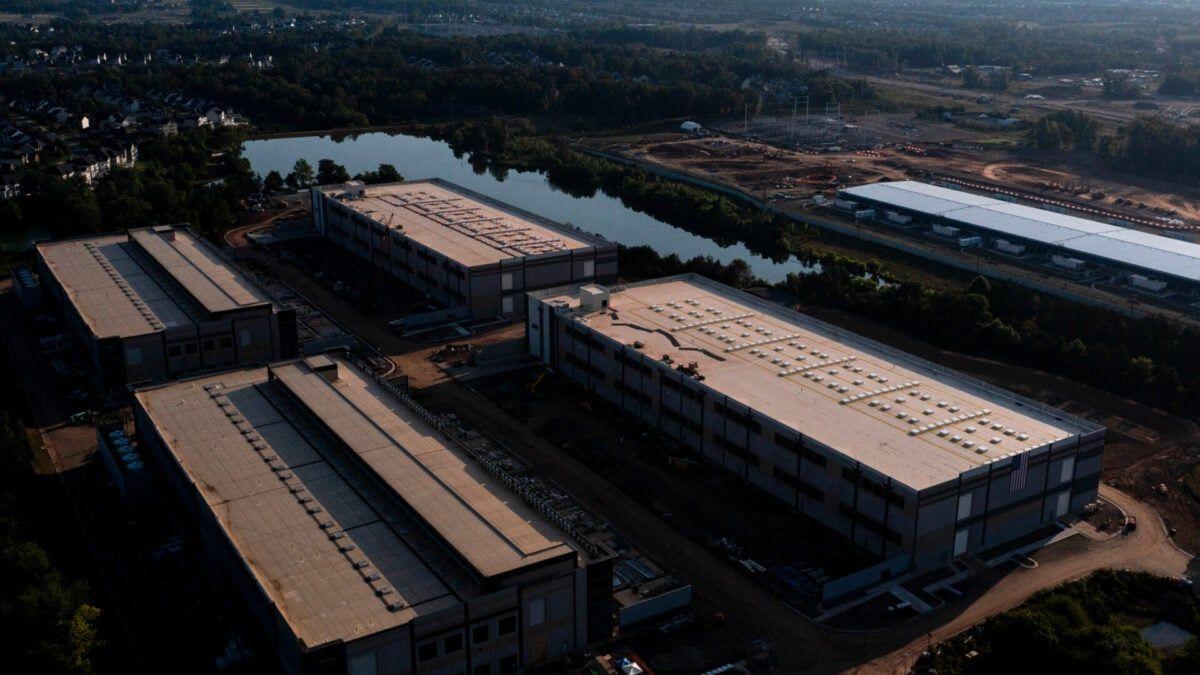
A primary driver behind this surge in electricity costs is the rapid expansion of data centers, particularly those powering artificial intelligence (AI) technologies. These power-hungry facilities are placing unprecedented demands on the electrical grid. A report from the RAND Corporation estimates that global power demand from AI data centers could reach 327 gigawatts (GW) by 2030, which is about 30% of the United States' current grid capacity
1
.
Source: Gizmodo
Impact on Regional Energy Markets
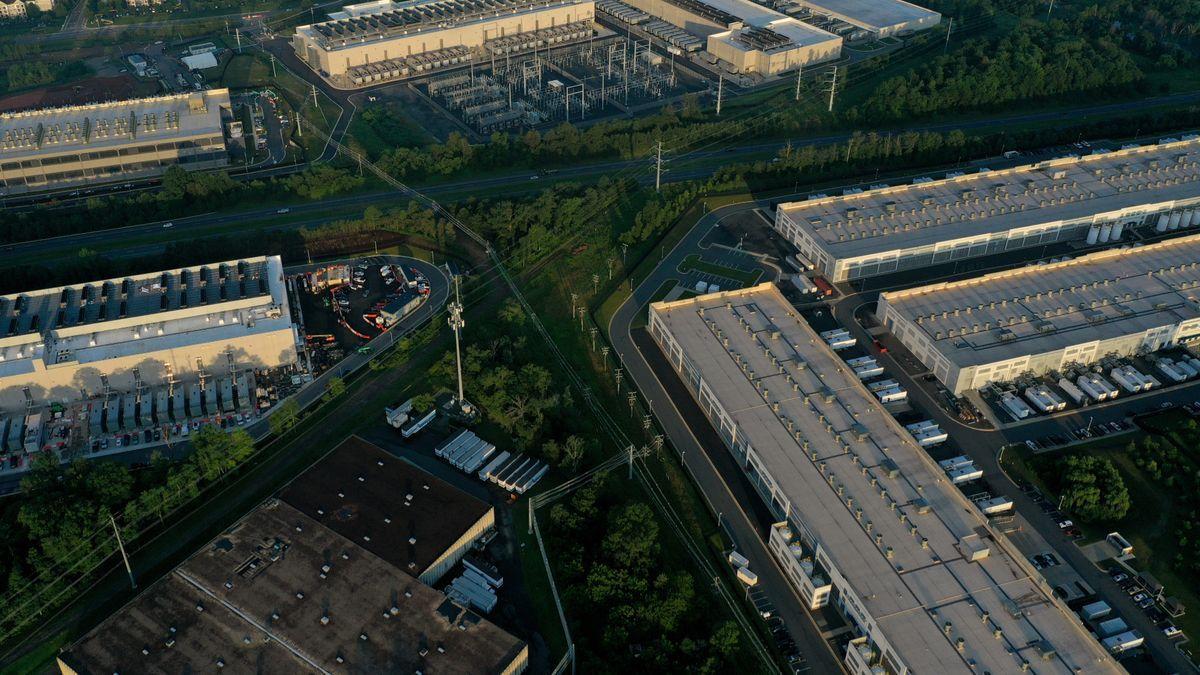
The concentration of data centers in certain areas is having a pronounced effect on local energy markets. In the mid-Atlantic region, known as "Data Center Alley," recent capacity auctions have seen prices skyrocket. An analysis by the Institute for Energy Economics and Financial Analysis (IEEFA) found that data centers accounted for over 60% of the increase in prices in a PJM auction, representing $9.3 billion that will be passed along to customers
2
3
.Infrastructure Challenges and Costs
The rapid growth of data centers is not only increasing direct energy consumption but also necessitating significant infrastructure upgrades. Grid operators are investing heavily in new transmission lines and other equipment to handle the expected proliferation of these facilities. The costs of these buildouts are being passed on to consumers, contributing to the overall increase in electricity prices
1
3
.State-Specific Responses and Concerns
Different states are grappling with the challenges posed by this trend in various ways:
- In Utah, Rocky Mountain Power initially proposed a 30.5% rate increase, later revised to 18.1%, citing inflationary pressures
4
. - Arizona is preparing for the strain on its energy grid, considering higher energy rates for data centers and exploring alternative power generation methods, including small modular nuclear reactors
5
. - Virginia's Joint Legislative Audit and Review Commission predicts that locals could see a $14-$37 increase in their monthly bills by 2040 due to data center growth
3
.
Related Stories
Political and Policy Implications
The Trump administration is pushing for increased use of traditional energy sources like coal, natural gas, nuclear, and hydropower plants to meet the growing demand from AI-related infrastructure. However, this approach is at odds with efforts to promote renewable energy sources like wind and solar
3
4
5
.The AI Tax on Consumers
The situation has led some analysts to describe the rising electricity costs as an "AI tax" on consumers. Many Americans are effectively subsidizing the AI boom through their electricity bills, regardless of whether they directly use or benefit from these technologies
1
2
3
. This raises questions about the equitable distribution of costs associated with technological advancement and the responsibility of tech companies in managing the broader economic impacts of their rapid expansion.References
Summarized by

Navi
Related Stories
AI's Energy Appetite: How Data Centers Are Driving Up Electricity Costs for Consumers
17 Jun 2025•Technology

AI Data Centers Spark Surge in Electricity Costs for Consumers
30 Sept 2025•Business and Economy
AI Boom Drives Up Utility Bills: The Hidden Cost of Technological Progress
18 Oct 2025•Business and Economy

Recent Highlights



Recent Highlights
Today's Top Stories



Don’t drown in AI news. We cut through the noise - filtering, ranking and summarizing the most important AI news, breakthroughs and research daily. Follow topics that matter to you and stay ahead.


