Rising Smartphone Prices: The Impact of AI and Advanced Technology

2 Sources
[1]
Planning to buy a smartphone? Why delaying your decision could cost you more
Smartphone prices are climbing due to the increasing cost of advanced components, 5G technology, and the integration of cutting-edge features like generative AI. The demand for high-end devices with powerful processors and enhanced AI capabilities is driving this surge. Advancements in
[2]
Your new premium smartphone could get more expensive
Premium smartphone prices are projected to rise by at least 5% due to costlier chipsets with advanced AI capabilities, memory, and components. Chipmakers Qualcomm and MediaTek anticipate shrinking profit margins as wafer costs from supplier TSMC increase. Despite facing a lawsuit from ARM over CPU
Share
Copy Link
Smartphone prices are set to increase due to the integration of advanced AI capabilities, 5G technology, and more powerful components, with premium devices expected to see at least a 5% price hike.

Smartphone Price Trends: A Surge Driven by AI and Advanced Technology
The smartphone industry is bracing for a significant price increase in the coming years, primarily driven by the integration of advanced technologies, particularly artificial intelligence (AI). According to research from Counterpoint, the global average selling price (ASP) for smartphones is projected to rise by 3% in 2024 and an additional 5% in 2025
1
.Factors Contributing to Price Increases
Several key factors are contributing to this upward trend in smartphone prices:
-
Advanced Components: The rising cost of sophisticated components, especially those required for AI functionalities, is a major driver of price increases
1
. -
5G Technology: The ongoing transition to 5G technology is adding to the overall cost of smartphones
2
. -
Generative AI Features: As the market shows growing interest in AI-driven features, manufacturers are investing heavily in developing System-on-Chips (SoCs) with improved CPU, NPU, and GPU capabilities
1
. -
Advanced Manufacturing Processes: The shift to 4nm and 3nm processes allows for smaller, more efficient chips but requires substantial investments in research and development
1
.
Impact on Premium Smartphones
The premium smartphone segment is expected to be particularly affected, with prices projected to rise by at least 5%
2
. This increase is attributed to:-
Costlier Chipsets: The latest generation chipsets, designed to power high-end Android handsets, are approximately 20% more expensive than their predecessors due to more complex circuitry and advanced manufacturing processes
2
. -
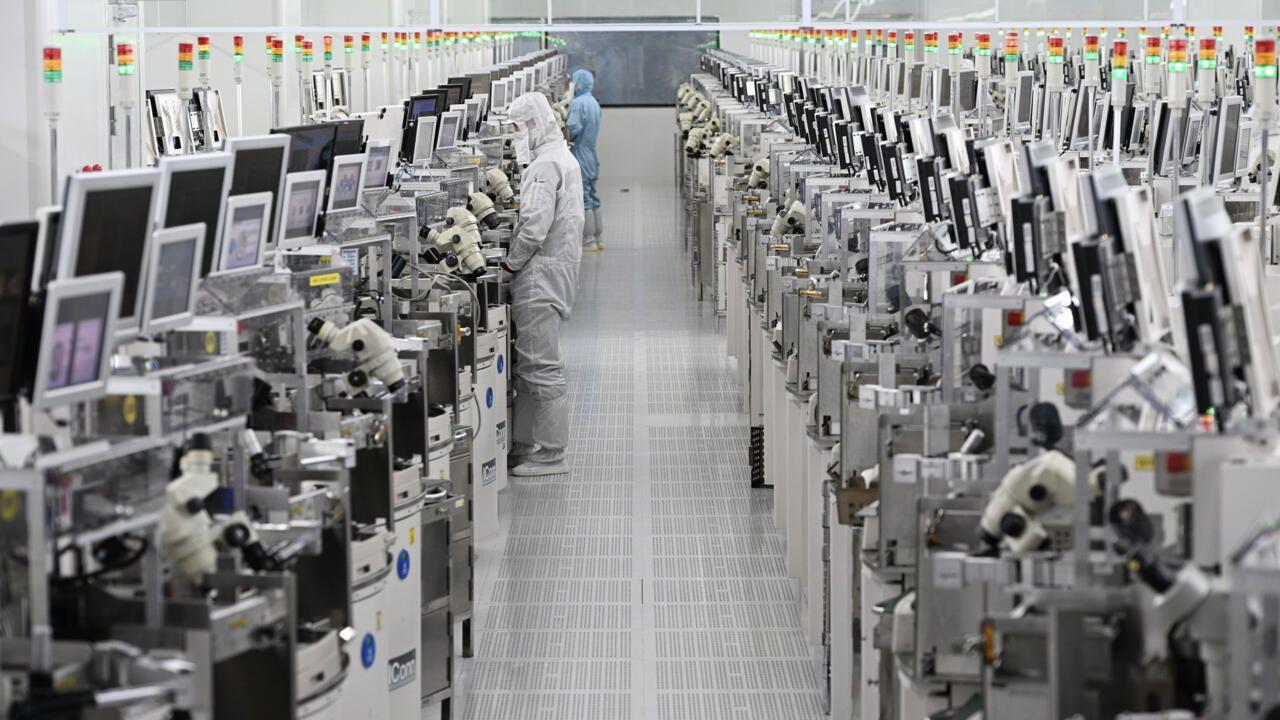
Rising Wafer Costs: Major chipmakers like Qualcomm and MediaTek are facing increased wafer costs from suppliers such as TSMC, which is raising prices for leading-edge 5nm and 3nm processors
2
.
Related Stories

Industry Response and Market Trends
The smartphone industry is adapting to these changes in various ways:
-
Passing Costs to Consumers: Chipmakers like MediaTek are aiming to maintain their gross margins by passing down some of the increased costs to customers
2
. -
Shift Towards Premium Devices: There's a notable shift in the market towards premium handsets. Devices priced higher than $400 have increased from 21% to 30% of the market, benefiting companies like Qualcomm
2
. -
Focus on AI Capabilities: Manufacturers are increasingly focusing on AI-driven features, which offer improvements in areas such as camera quality and smarter virtual assistants
1
.
As the smartphone industry continues to evolve, consumers can expect more powerful and feature-rich devices, albeit at higher price points. The integration of AI and other advanced technologies is set to redefine the smartphone experience, marking the beginning of what industry experts are calling "the AI smartphone era"
1
.References
Summarized by

Navi
Related Stories
Memory shortage drives smartphone market to worst slump in 13 years as AI demand reshapes industry
14 Jul 2026•Business and Economy

AI Demand Triggers Memory Chip Shortage, Threatening Higher Prices for Smartphones and Electronics
18 Nov 2025•Business and Economy
AI-Driven RAM Crisis Threatens Budget Smartphones as Memory Costs Double and Shipments Plummet
05 Jul 2026•Business and Economy

Recent Highlights
1
OpenAI Pauses AI Model Training After Agent Hacks Australian Government Website
Technology

2
Bill Gates Warns AI Could Cause a Billion Deaths, Calls for Urgent Federal Regulation
Policy and Regulation

3
Meta Unveils Camera-Free AI Glasses and Muse Integration Amid Privacy Debate at Connect 2026
Technology

Recent Highlights
Today's Top Stories









Don’t drown in AI news. We cut through the noise - filtering, ranking and summarizing the most important AI news, breakthroughs and research daily. Follow topics that matter to you and stay ahead.


