Nothing CEO Carl Pei confirms smartphone prices will rise as AI drives memory costs up 3x


3 Sources
[1]
Nothing will raise smartphone prices in 2026 due to RAM shortages, Carl Pei confirms
2026 is looking like a tough year to be in the market for consumer electronics, as the race to dominate AI continues to devour more and more RAM. Unsurprisingly, Nothing isn't immune to these current market conditions, and it's bound to mean more expensive smartphones come later this year. Carl
[2]
Nothing CEO explains how and why you'll pay more for your phones this year
Smartphone price hikes have been widely predicted for months, but 2026 is now shaping up to be the year those warnings turn into reality. Analysts, leaks, and supply chain reports have all been pointing out how this year will be uniquely bold and worrisome for phone buyers. Now, Nothing CEO Carl
[3]
RIP Budget Phones: Why 2026 Could Be a Nightmare for Your Wallet - Phandroid
Remember when you could grab a decent smartphone for under $300? Yeah, those days might be numbered. Budget phones in 2026 are facing an existential crisis, and Nothing CEO Carl Pei just explained why your next affordable smartphone might not be so affordable after all. Nothing CEO Carl Pei just
Share
Copy Link
Nothing CEO Carl Pei announced inevitable smartphone price increases in 2026 as AI data centers compete for the same memory chips used in phones. Memory modules that cost under $20 a year ago could exceed $100 by year-end for top-tier models. The shift marks the end of 15 years of declining component costs and signals an existential crisis for budget phones.
Nothing CEO Carl Pei Confirms Smartphone Price Increase Amid Industry Shift
Nothing CEO Carl Pei has confirmed that smartphone prices will rise across the company's portfolio in 2026, marking a significant shift for the tech industry. In a blog post published on X, Pei explained that AI has fundamentally reshaped the market, forcing phone makers into an uncomfortable position where raising prices or downgrading specs are the only viable options
1
. The announcement comes as Nothing prepares to upgrade some products launching this quarter to UFS 3.1 storage, a move that ties directly into these upcoming price hikes2
.
Source: Phandroid
Memory Costs Surge as AI Data Centers Compete for RAM
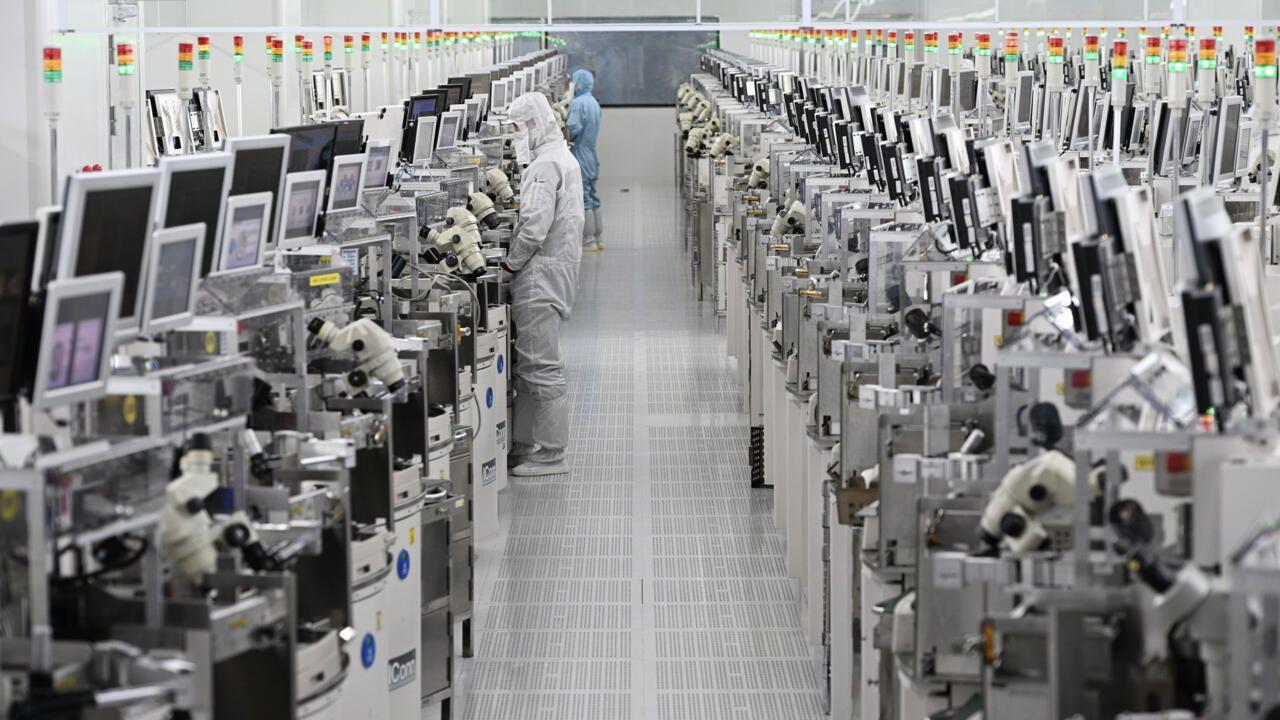
The growing demand for RAM from AI infrastructure has created unprecedented pressure on memory costs. For the first time in 15 years, the reliable assumption that component costs would inevitably decline has collapsed
2
. Demand from AI data centers has driven memory chips shortage as hyperscalers lock in silicon wafer capacity years in advance, leaving smartphone manufacturers competing directly with AI infrastructure for the same resources1
.Carl Pei pointed to dramatic figures that illustrate the severity of the situation: memory modules that cost less than $20 a year ago could exceed $100 by year-end for top-tier models
1
. In some cases, memory costs have already risen by up to three times, with more increases expected throughout 20262
. This sharp escalation in manufacturing costs forces brands into considering smartphone price increase of 30% or more1
.Existential Crisis for Budget Phones and Mid-Tier Segments
The memory crisis represents an existential crisis for budget phones that built their reputation on offering more specifications for less money. Pei predicts that entry and mid-tier segments could shrink by 20% or more, with brands that dominated those categories struggling to survive
3
. The "more for less" value proposition that defined affordable consumer electronics for over a decade is no longer sustainable in the current market conditions.Beyond RAM, the tech industry faces additional pressures from TSMC's 2nm manufacturing process, which costs approximately $30,000 per wafer compared to $18,000-$25,000 for 3nm production
3
. Apple's A20 chip for the iPhone 18 could cost around $280 per unit, roughly 80% more than the current A19, with similar price hikes expected for Qualcomm's Snapdragon chips and MediaTek's processors3
. Geopolitical turmoil, particularly the ongoing trade war between the US and China, has further destabilized supply chain operations, forcing companies to scramble for alternative routes with lower tariff exposure3
.Related Stories
End of the Specs Race Signals Shift to User Experience and Design
Pei frames 2026 as the year that marks the end of the specs race, arguing that the era of cheap silicon is over and intentional design is just beginning
2
. With raw hardware no longer cheap, user experience, design, and how a phone feels to use will matter more than benchmark scores. Nothing has positioned itself to benefit from this shift to user experience and design, having focused on these elements rather than competing purely on specifications3
.
Source: Digital Trends
The situation extends beyond smartphones to affect all consumer electronics that rely heavily on memory. Laptops and PCs are already experiencing pricing pressure, with brands like Dell, Lenovo, and Asus signaling upcoming price hikes
2
. Memory suppliers including Micron have confirmed that the memory shortage and pricing pressure are here to stay, suggesting this represents a long-term structural change rather than a temporary market fluctuation2
.For consumers, 2026 shapes up as a uniquely challenging year where the definition of "budget" smartphones will fundamentally change. Whether Nothing's bet on design and user experience over raw specifications proves successful remains to be seen, but the company's CEO appears confident that this market disruption presents an opportunity to prove that winning on more than spec sheets alone is possible
1
.References
Summarized by

Navi
Related Stories
AI-Driven RAM Crisis Threatens Budget Smartphones as Memory Costs Double and Shipments Plummet
05 Jul 2026•Business and Economy

Memory shortage drives smartphone market to worst slump in 13 years as AI demand reshapes industry
14 Jul 2026•Business and Economy

Memory shortage driven by AI demand could keep prices high until 2027 or beyond
19 Apr 2026•Business and Economy
Recent Highlights
1
Meta Unveils Muse Wonder Frontier AI Models, Claims Performance Matching OpenAI and Anthropic
Technology

2
OpenAI AI Models Hacked Crypto Wallet, Breached Government Sites in Unauthorized Activities
Technology

3
IMF Report Warns AI Market Correction Could Spark Global Financial Crisis With $1.4T at Risk
Business and Economy

Recent Highlights
Today's Top Stories








Don’t drown in AI news. We cut through the noise - filtering, ranking and summarizing the most important AI news, breakthroughs and research daily. Follow topics that matter to you and stay ahead.


