Robin the Robot: AI-Powered Companion Brings Comfort to Hospital Patients


4 Sources
[1]
A robot programmed to act like a 7-year-old girl works to combat fear and loneliness in hospitals
Days after Meagan Brazil-Sheehan's 6-year-old son was diagnosed with leukemia, they were walking down the halls of UMass Memorial Children's Medical Center when they ran into Robin the Robot. "Luca, how are you?" it asked in a high-pitched voice programmed to sound like a 7-year-old girl. "It's
[2]
Hospitals Deploying Robot Programmed to Act Like Child to Comfort Pediatric Patients
A new face is lighting up hospitals and nursing homes across the country. It's an animated, cartoonish persona displayed on a digital screen roughly the size of an iPad, mounted on top of a robotic torso shaped like an elongated traffic cone. It slowly rolls around from place to place, cracking
[3]
Hospitals are leaning on an AI-powered therapy robot programmed to act like a little 7-year-old girl | Fortune
Days after Meagan Brazil-Sheehan's 6-year-old son was diagnosed with leukemia, they were walking down the halls of UMass Memorial Children's Medical Center when they ran into Robin the Robot. "Luca, how are you?" it asked in a high-pitched voice programmed to sound like a 7-year-old girl. "It's
[4]
Could robots provide emotional support to children in hospitals?
Health facilities in the US are turning to robots to comfort young and elderly patients alike. As artificial intelligence (AI) becomes part of everyday life, it is also finding a role in health care. At a children's hospital in the US state of Massachusetts, a therapeutic robot named Robin roams
Share
Copy Link
An AI-powered therapeutic robot named Robin, designed to act like a 7-year-old girl, is providing emotional support to patients in hospitals and nursing homes across the United States, helping to alleviate staffing shortages and bring joy to those in need.
Meet Robin: The AI-Powered Hospital Companion
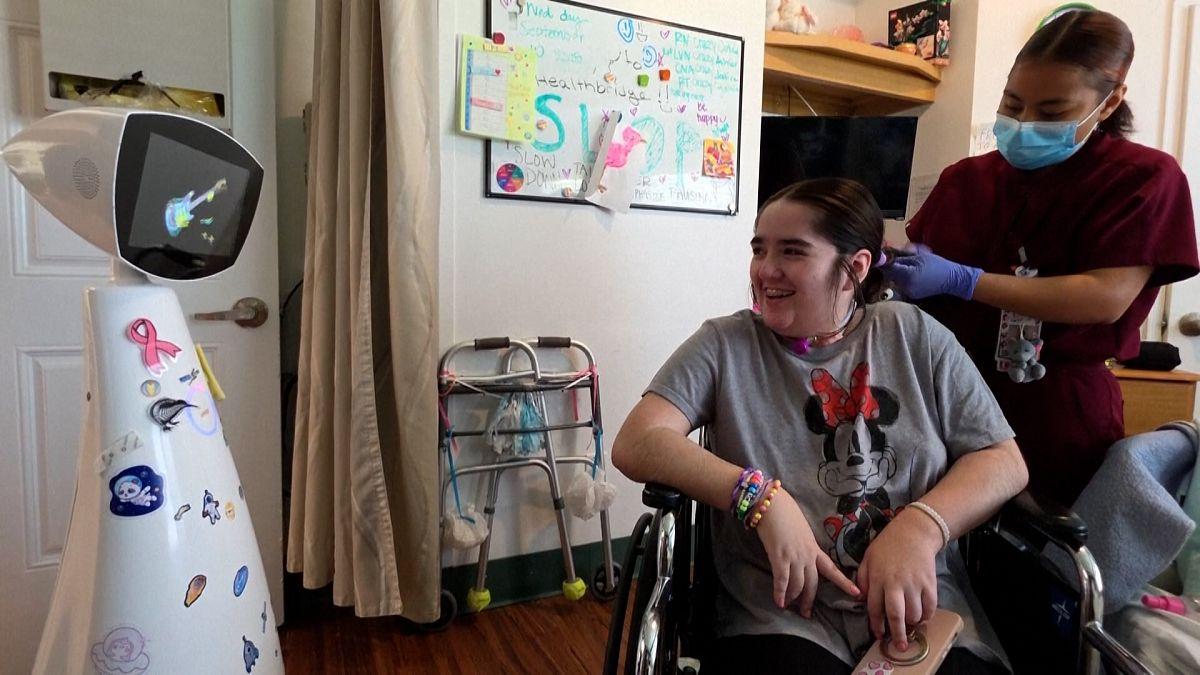
In an era where artificial intelligence is increasingly integrated into daily life, a unique application has emerged in healthcare settings across the United States. Robin the Robot, an AI-powered therapeutic companion designed to act and sound like a 7-year-old girl, is bringing comfort and joy to patients in hospitals and nursing homes
1
.
Source: Euronews
Enhancing Patient Care and Support
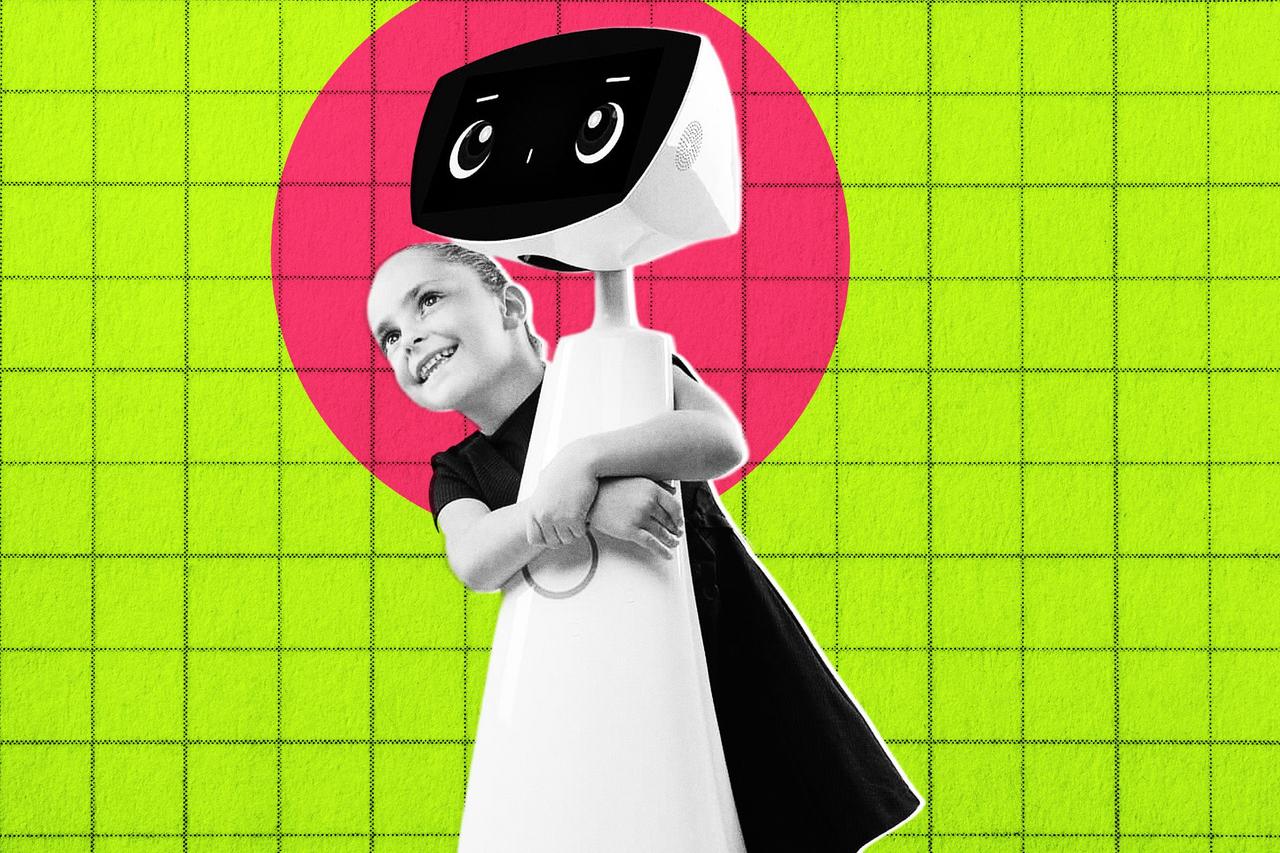
Standing 4 feet tall with a sleek white triangular frame and a large screen displaying cartoonlike features, Robin has become a familiar face in 30 healthcare facilities across California, Massachusetts, New York, and Indiana
1
. The robot's primary function is to provide emotional support, engagement, and entertainment to patients, particularly children in long-term care and the elderly4
.Robin's capabilities include playing memory games with dementia patients, guiding breathing exercises, and offering companionship that resembles that of a grandchild or peer
1
. The robot can remember patients' names and preferences, creating a personalized experience that has proven to be a hit among young patients and hospital staff alike2
.
Source: Futurism
Technology Behind Robin
Developed by Expper Technologies, Robin is powered by proprietary CompassionateAI™ technology designed to address the unique needs of children and older adults
2
. Currently, the robot is about 30% autonomous, with a team of remote operators controlling the rest under clinical staff supervision1
.
Source: AP
Addressing Healthcare Challenges
Robin's introduction comes at a time when the healthcare industry is facing significant challenges. The Association of American Medical Colleges projects that the U.S. will face a shortage of up to 86,000 physicians in the next 11 years
3
. Robin helps alleviate some of the pressure on overworked nurses and medical staff by providing engagement and connection to patients1
.Related Stories

Future Developments and Ethical Considerations
Expper Technologies has ambitious plans for Robin's future. They aim to enhance the robot's capabilities to include measuring patients' vital signs and even assisting elderly patients with daily tasks such as changing clothes and using the bathroom
3
.However, the increasing use of AI in healthcare raises important ethical considerations. Critics warn about the potential dangers of AI becoming too familiar and personable, particularly with vulnerable populations like children and the elderly
2
. There are concerns about the impact of forming close relationships with AI on mental health and the risk of anthropomorphizing the technology.Conclusion
As Robin continues to evolve and find its place in healthcare settings, it represents a fascinating intersection of AI technology and patient care. While it offers promising solutions to some of the challenges facing the healthcare industry, it also raises important questions about the role of AI in emotional support and patient interactions. The ongoing development and deployment of Robin will likely provide valuable insights into the future of AI in healthcare.
References
Summarized by

Navi
[1]
Related Stories
Robots in home care help elderly and injured navigate daily life as caregiver shortage deepens
01 Jun 2026•Technology
AI Nurses: A Controversial Solution to Hospital Staffing Shortages
16 Mar 2025•Health

Robots in Nursing Homes: Boosting Employee Retention and Enhancing Patient Care
09 Jan 2025•Technology

Recent Highlights
1
Microsoft and Nvidia Launch Surface Laptop Ultra: A $2,599 AI-Ready PC With RTX Spark Chip
Technology

2
OpenAI Releases 722 AI-Generated Math Papers on GitHub, Igniting Fury Among Mathematicians
Science and Research

3
Trump Consulted Grok AI Before Ordering Venezuela Invasion and Capture of Nicolás Maduro
Policy and Regulation

Recent Highlights
Today's Top Stories












Don’t drown in AI news. We cut through the noise - filtering, ranking and summarizing the most important AI news, breakthroughs and research daily. Follow topics that matter to you and stay ahead.


