Saber Interactive faces AI backlash over Rideshare Stimulator after writer claims ChatGPT replacement


17 Sources
[1]
Saber says its rideshare game uses AI for voices, music, and missions.
After denying that it replaced writers for Rideshare "Stimulator" with ChatGPT and admitting that the game has some AI-generated elements, Saber Interactive has added an AI content disclosure to the title's Steam page. While the main campaign is written by humans, AI tools are used for "voice
[2]
Saber denies replacing Rideshare Stimulator's writers with ChatGPT
After a former lead writer claimed Saber "replaced me with ChatGPT," CEO Matthew Karch now claims, "Neither Saber nor Unigine have replaced any writers with AI," for the Rideshare "Stimulator" game announced last month, developed by Unigine. The writer, Stella Sacco, says differently, however,
[3]
'Rideshare Stimulator' Steam Page Finally Confirms AI Was Used During Development
Saber Interactive finally added a detailed AI disclosure message to the Steam page for Rideshare Stimulator. This follows a week of controversy over its use in the game after a former employee claimed that she was laid off and replaced by AI. When Rideshare Stimulator was announced in July, Saber
[4]
Game Dev CEO Accused of Replacing Writers With AI is Now Completely Crashing Out
Can't-miss innovations from the bleeding edge of science and tech Saber, the developer behind the upcoming Rideshare "Stimulator" video game, is being accused of replacing its writers with AI. The accusation was made Tuesday by Stella Sacco, who says she was fired back in December 2023 while the
[5]
Saber's CEO defends the studio's AI use as an AI disclaimer finally appears on Steam
Amid the row between Saber Interactive CEO Matthew Karch and former writer Stella Sacco after he said he'd have "been happy to replace" her with AI, the studio has finally added the AI disclaimer to Rideshare Stimulator's Steam page that had been conspicuously missing since the game first went live
[6]

After a public scrap between CEO and former writer, Saber Interactive finally adds AI disclaimer to Steam page and doubles down: 'AI can and should help shape gamer experiences'
One of the unexpected stories this week has been that of a rather public spat between former Saber Interactive writer Stella Sacco, who claimed she was replaced in favour of AI, and the publisher's CEO, who tore into her via a statement sent to This Week in Videogames. "Stella who?" asked Matt
[7]
'I would frankly have been happy to replace her with AI' - extraordinary public spat between Saber CEO and writer "replaced with ChatGPT" intensifies
A public spat between Saber Interactive - creator of Warhammer 40,000: Space Marine 2, the upcoming Suntman: Hollywood game and many others - and a former employee who claims she was "replaced" by ChatGPT has erupted over the past few days, and in the wake of new statements from either side has
[8]
Saber CEO scorns writer who says she was fired in favor of AI with confusing, combative statement
The comments are "remarkably pathetic," the writer said in response. After noticing the announcement of upcoming driving sim Rideshare Stimulator, writer Stella Sacco commented on social media that she'd once been the game's lead writer but had been fired in favor of ChatGPT. The game's publisher,
[9]

Saber CEO Makes Rideshare's Undisclosed AI Mess Even Worse
Rideshare "Stimulator" was revealed nearly two weeks ago in a short trailer teasing its gig-economy driving-sim satire. But most people probably didn't hear about it until its former lead writer accused publisher Saber Interactive of replacing her with ChatGPT "midway through development." Saber
[10]

Saber finally adds AI disclosure to Rideshare Stimulator amid CEO's public feud with a former writer who claims she was replaced by ChatGPT
This is what happens when you name a game Rideshare "Stimulator" The saga between former Saber Interactive writer Stella Sacco and Saber CEO Matt Karch reaches day three with hardly any progress as Sacco maintains she was fired and replaced with AI, and Karch summons all the antagonism in the
[11]
Saber Interactive denies replacing writer with ChatGPT on its new driving game, but says it will use AI 'as the number of passengers in the game is infinite'
Despite the admission, there's currently no AI disclosure on the Rideshare "Stimulator" Steam page. Saber Interactive's upcoming Rideshare "Stimulator" drew some eyeballs today when Saber CEO Matthew Karch confirmed that its trailer includes a hidden jab at Gearbox boss Randy Pitchford. But that
[12]
Former Saber Interactive Employee Claims She Was Replaced By GenAI On Their New Rideshare Game - Kotaku
Saber denies they replaced writers with genAI while also saying the game uses genAI Last month, Saber Interactive revealed Rideshare Stimulator, a game that's essentially Crazy Taxi with a grayish and drab late-stage capitalism filter. The reveal was notable beyond the "Hey, look at our new game!"
[13]
CEO of Space Marine 2 dev says upcoming driving game will get Steam AI tag following backlash, and he would "have been happy" to replace a fired writer with AI "in retrospect"
Rideshare "Stimulator" is accused of beong made using ChatGPT in some capacity A writer who claims they'd been replaced on a game at Saber Interactive by literal ChatGPT has gotten several responses from the company's leadership, and they're just kind of bizarre. The publisher's CEO asserts it's
[14]
Saber Interactive "replaced me with ChatGPT midway through development" but AI use is not disclosed on Steam, claims former lead writer
"All the passenger voices were AI too," writer says of rideshare sim Publisher Saber Interactive allegedly heavily used generative AI in the upcoming driving sim Rideshare "Stimulator," even directly replacing some staff with AI bots like ChatGPT, without disclosing AI use in the game's Steam
[15]

'We Aren't Shying Away From It': Space Marine 2 Maker Saber Interactive Confirms It Will an Add AI Label to Rideshare Stimulator on Steam Following Controversy
"The net cost of incorporating these features was significantly higher than leaving them out." The boss of Rideshare Stimulator publisher Saber Interactive has confirmed that an AI label will be added to the game's Steam page, following public criticism. Speaking to IGN, Saber CEO Matthew Karch
[16]

Rideshare Simulator updates its AI disclosure: how much AI it used
Steam page now lists voices, radio music, localization, Free Ride missions Rideshare Simulator's Steam page has been updated with a much more detailed AI disclosure. That change follows former lead writer Stella Sacco's August 11, 2026 statement that she had, in effect, been replaced by ChatGPT.
[17]
Space Marine 2 Maker Saber Interactive Denies Writer's Claim They Were Replaced by ChatGPT, but Admits That Rideshare Stimulator Will Feature AI 'By Necessity'
Saber Interactive, the company behind Warhammer 40,000: Space Marine 2, has denied it replaced a writer with ChatGPT, but admitted its new taxi game Rideshare Stimulator uses AI "by necessity." Rideshare Stimulator hit the headlines this week when it was confirmed that the game's reveal trailer
Share
Copy Link
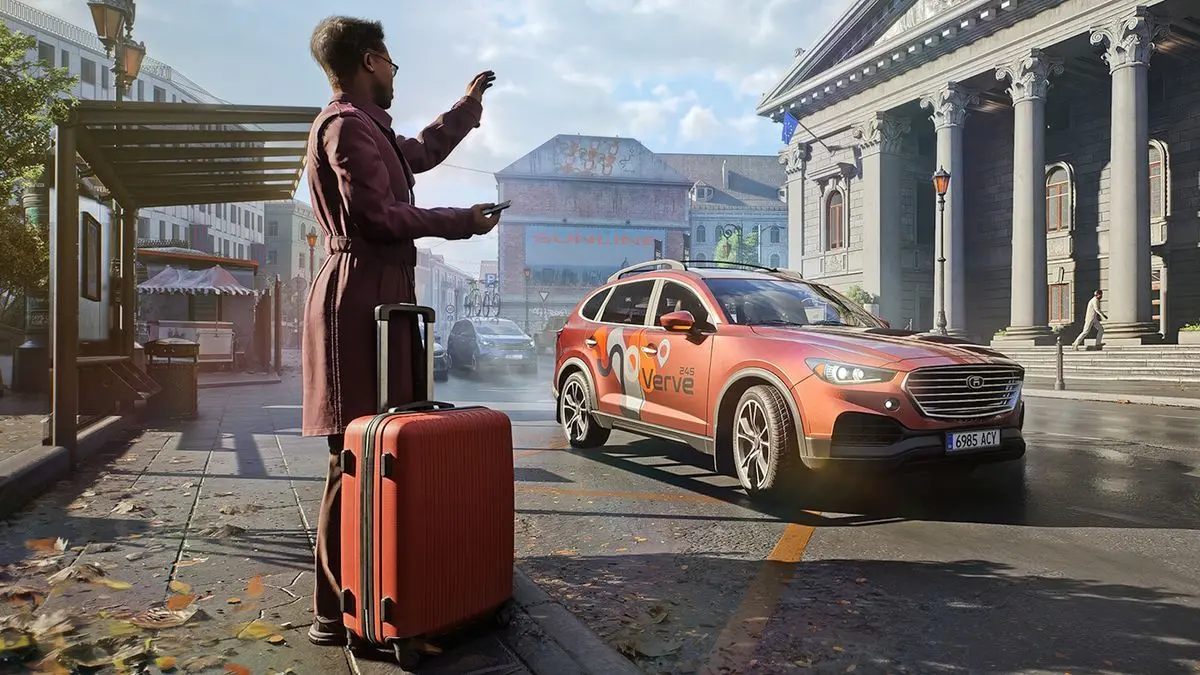
Saber Interactive added an AI content disclosure to Rideshare Stimulator's Steam page following controversy. Former lead writer Stella Sacco claimed she was replaced with ChatGPT in December 2023. The game uses AI for voice generation, localization, passenger missions in Free Ride mode, and radio music.
Saber Interactive Adds AI Content Disclosure After Public Controversy
Saber Interactive has finally updated the Steam page for Rideshare Stimulator with a detailed AI content disclosure following a week-long controversy over the studio's use of generative AI in game development
1
3
. The disclosure reveals that while the main campaign story, characters, and dialogue are written by human writers, AI tools are used for voice generation and some localization1
. The optional Free Ride mode includes AI-generated passenger missions and localized dialogue, and the game features radio stations with both human-made and AI-generated music, with AI stations clearly labeled in-game3
.The controversy erupted when former lead writer Stella Sacco claimed on Bluesky that Saber replaced her with ChatGPT midway through development in December 2023
2
4
. When Rideshare Stimulator was announced in July, the studio made no mention of AI in game development, raising questions about transparency in creative industries3
. Steam requires all titles to divulge AI-generated content, yet the game's listing initially lacked any disclosure4
.
Source: PC Gamer
CEO Matthew Karch's Response Escalates Tensions
Saber Interactive CEO Matthew Karch initially denied that the studio replaced writers with AI, stating that "Neither Saber nor Unigine have replaced any writers with AI"
2
. However, as public controversy intensified, Karch's responses became increasingly combative. In a statement to This Week In Video Games, he admitted he would "in retrospect have been happy to replace her with AI" and claimed Sacco "was replaced by someone more talented"4
. The CEO also stated that Saber was waiting for a "finalized feature set" before adding the disclosure on Steam3
.Karch defended Saber's broader use of AI tools, saying he'd be happy to have "a reasonable conversation about how AI can and should help shape gamer experiences"
5
. He pointed out that incorporating AI features actually increased costs, requiring the addition of two writers and multiple coders to work with AI tools for gameplay enhancement5
. The CEO also noted that Saber's writing staff has grown since Sacco left three years ago, dismissing concerns about labor displacement5
.Labor Displacement and Ethical Considerations in Creative Industries
Sacco challenged Karch's narrative, stating "you can't meaningfully say both 'writers wrote the story' and 'computers wrote the text'"
2
. She argued that if both human-written and AI-generated rides exist in the game, then AI was still used and she was still replaced, exactly as Saber told her in December 20232
. The former writer also revealed that Saber revoked her access to a development build of Rideshare Stimulator on Steam only after the recent controversy, despite her being laid off years ago3
.
Source: Eurogamer
The Steam forum for Rideshare Stimulator became overrun with posts blasting the game's AI usage, with users coining terms like "Rideshare 'Slopulator'" and warning others about "AI slop"
4
. Comments on the game's trailer turned negative, with users stating "when you replace your writers with AI midway through development, that's a no-sale" and calling it "Layoff 'Simulator'"4
. This backlash highlights growing concerns about transparency and ethical considerations when studios deploy AI-generated content without proper disclosure.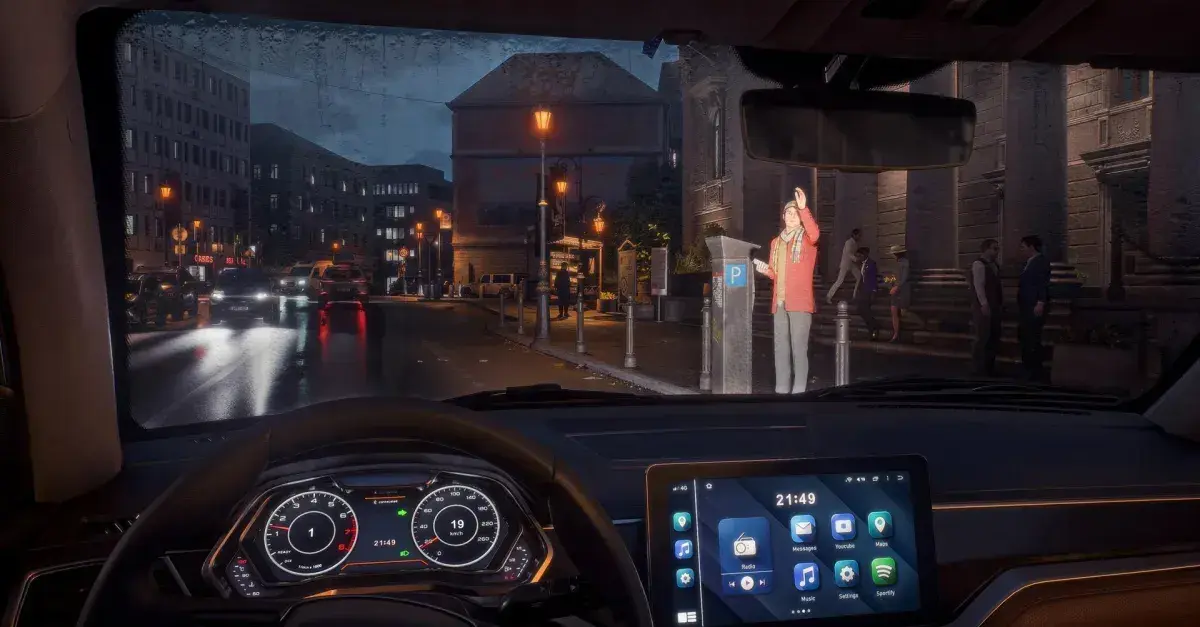
Source: The Verge
Related Stories

Resolution and Industry Implications
Matthew Karch has since apologized to Stella Sacco privately, and she accepted the apology, stating "Apologies are simply in too short a supply these days to spurn one when it's offered"
5
. She added that "God willing, this is the last statement I'll need to make about this"5
. The Rideshare Stimulator saga serves as a reminder that not all game developers immediately disclose their use of generative AI to players3
.This controversy raises important questions about the future of AI in game development. While Karch claims that Saber has used AI tools to improve NPC behavior since the company was founded in 2001, the current backlash suggests players and workers demand greater transparency about how AI tools are deployed
2
. The incident demonstrates why studios should be forthcoming about AI use during development from the start and why replacing workers with AI remains a contentious issue in creative industries3
. As one industry observer noted, Karch's initial statement will be many people's first exposure to the Saber brand, potentially causing lasting reputational damage4
.References
Summarized by

Navi
Related Stories
Saber Interactive CEO Apologizes to Writer Replaced by AI After Week-Long Public Meltdown
16 Aug 2026•Entertainment and Society
11 Bit Studios Faces Backlash Over Undisclosed AI Use in The Alters
30 Jun 2025•Technology
Arc Raiders Reignites AI Voice Controversy as Embark Studios Defends Text-to-Speech Technology
30 Oct 2025•Entertainment and Society
Recent Highlights



Recent Highlights
Today's Top Stories










Don’t drown in AI news. We cut through the noise - filtering, ranking and summarizing the most important AI news, breakthroughs and research daily. Follow topics that matter to you and stay ahead.


