Samsung and Broadcom forge $200 billion AI chip partnership to challenge TSMC's dominance


7 Sources
[1]
Samsung Elec wins $200 billion Broadcom AI chip partnership, boosting foundry push
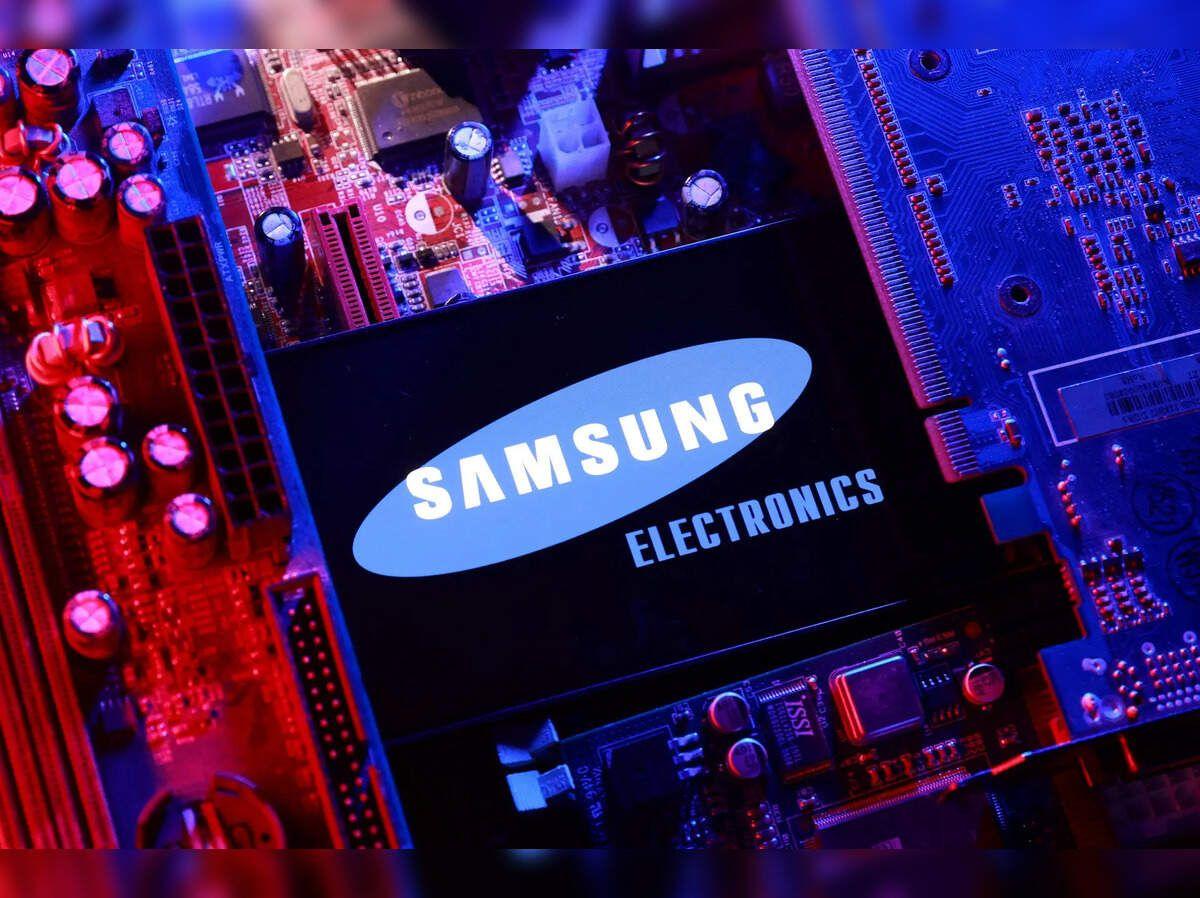
SEOUL, July 25 (Reuters) - Samsung Electronics (005930.KS), opens new tab said on Saturday it struck a pact with U.S. chip designer Broadcom (AVGO.O), opens new tab to widen cooperation across memory chips, contract chip making and advanced packaging envisaged to exceed $200 billion until
[2]
Samsung lands Broadcom AI chip deal worth more than $200 billion through 2030
Serving tech enthusiasts for over 25 years. TechSpot means tech analysis and advice you can trust. What just happened? Samsung Electronics has expanded its semiconductor partnership with Broadcom to focus on AI chips, bringing together chip design, manufacturing, and memory in a deal that could
[3]
Samsung and Broadcom sign $200 billion chip deal spanning memory, foundry and packaging
Samsung Electronics and Broadcom have signed a memorandum of understanding worth more than $200 billion spanning memory chips, foundry manufacturing and advanced packaging for artificial intelligence semiconductors. The deal, announced on Friday at an AI summit in San Francisco, runs for five years
[4]
Samsung Electronics and Broadcom Expand Strategic Collaboration Across Memory and Foundry Technologies
Companies sign memorandum of understanding to broaden collaboration on next-generation AI infrastructure, spanning leading-edge memory, foundry technologies and advanced packaging Samsung Electronics and Broadcom today announced the signing of a memorandum of understanding (MOU) to expand their
[5]

Samsung and Broadcom's New Partnership is Aimed at Furthering AI Hardware Development
It's clear that the AI bubble has continued to grow these past few years, with companies left and right looking to capitalize on AI-fulled industry trends within the consumer electronics landscape and beyond. With that in mind, Samsung has announced that it's signed a new memorandum of
[6]

Samsung Electronics wins $200 billion Broadcom AI chip partnership, boosting foundry push
The tie-up comes as global technology companies increasingly develop their own custom AI accelerators, rather than relying solely on general-purpose graphics processors, driving demand for specialised chip design and manufacturing partnerships. The next five years of collaboration will combine
[7]

Samsung's Advantage Over TSMC As A Foundry Rival Expands Beyond The 2nm Process, Helping It Ink Multi-Billion-Dollar Agreements; Has Potential To Outgrow Its Competitor
TSMC is the undisputed king of the global semiconductor market, and to extend its lead, it has succeeded in developing cutting-edge lithography and advanced packaging. Samsung certainly has a lot of ground to cover in this aspect, but its strengths lie in being able to secure partnerships beyond
Share
Copy Link
Samsung Electronics signed a $200 billion memorandum of understanding with Broadcom to supply AI chips, memory, and foundry services through 2030. The Samsung Broadcom partnership will leverage sub-2-nanometer manufacturing and advanced packaging to produce custom AI accelerators, strengthening Samsung's position against industry leader TSMC.
Samsung Broadcom Partnership Targets AI Chip Manufacturing Through 2030
Samsung Electronics and Broadcom announced a memorandum of understanding valued at more than $200 billion, marking one of the largest semiconductor partnerships ever disclosed
1
. The five-year strategic collaboration in memory and foundry technologies runs through 2030 and addresses critical components of next-generation AI infrastructure3
. The deal was announced during the AI Summit held in San Francisco, with senior executives from both companies and Korean government representatives in attendance4
.
Source: Samsung
The Samsung Broadcom partnership comes as global technology companies increasingly develop custom AI chip designs rather than relying solely on general-purpose graphics processors from Nvidia, driving demand for specialized manufacturing partnerships
1
. Broadcom designs custom AI accelerators for hyperscalers including Google and Meta that want silicon tailored to specific workloads3
. The company extended its AI chip partnership with Meta through 2029 in April, and CEO Hock Tan recently indicated that surging AI revenue has made organic growth more attractive than acquisitions3
.Advanced AI Hardware Development Using Sub-2-Nanometer Process
The foundry component of the deal centers on Samsung's sub-2-nanometer process technology and smaller nodes for manufacturing Broadcom products at its Pyeongtaek, South Korea campus
3
. Broadcom's next-generation communications chips, designed for high-speed data transfer, will be produced using these leading-edge manufacturing capabilities, putting them at the forefront of chip scaling where efficiency and heat management present increasing challenges1
2
.
Source: TechSpot
The collaboration extends to advanced packaging technologies built on Samsung's 2nm process, including 2.3D and 2.5D integration, to enable higher-performance and more power-efficient AI and networking silicon
4
. These techniques integrate memory and logic more tightly, a method increasingly central to extracting maximum performance from AI semiconductor designs3
. The focus on advanced packaging reflects how performance gains are increasingly tied to how chips, memory, and packaging work together rather than improvements in any single component2
.High-Bandwidth Memory Supply for AI Accelerators
On the memory front, Samsung will supply Broadcom with industry-leading high-bandwidth memory solutions, including HBM4 and HBM4E chips, for use in Broadcom's next-generation AI accelerators
3
4
. As AI models grow larger, memory bandwidth has become a limiting factor, making tighter coordination between logic chips and HBM increasingly important2
. Last month, Samsung co-CEO and chip division head Jun Young-hyun discussed next-generation foundry cooperation with Jensen Huang, chief executive of Nvidia, including future HBM4E and HBM5 memory products1
.Samsung posted record quarterly operating profit of 89 trillion won in Q2, driven almost entirely by AI memory demand, highlighting the financial significance of securing long-term customers for these products
3
. The deal combines Broadcom's expertise in designing application-specific integrated circuits, or ASICs for specific tasks, with Samsung's manufacturing capabilities across the semiconductor stack1
.
Source: ET
Related Stories
Strengthening Foundry Position Against TSMC in High-Performance Computing
For Samsung, the partnership addresses a persistent credibility gap in its foundry business, where its global market share has fallen to roughly seven percent while TSMC dominates with more than 90 percent of leading-edge chip production
3
. Winning long-term production commitments from Broadcom, one of the world's leading custom AI chip designers, could boost utilization at Samsung's advanced manufacturing facilities and help narrow the gap with industry leader TSMC1
2
.Samsung said this year it expected to secure more advanced 2-nanometer foundry orders in the near term after discussions with major tech companies
1
. Last year, the company won a $16.5-billion contract to make logic chips for EV maker Tesla1
. However, the Broadcom agreement stands out for its scope, covering multiple parts of the semiconductor process rather than a single product line2
.By diversifying manufacturing to Samsung, Broadcom gains supply chain resilience beyond its existing reliance on TSMC, which controls the vast majority of leading-edge production
3
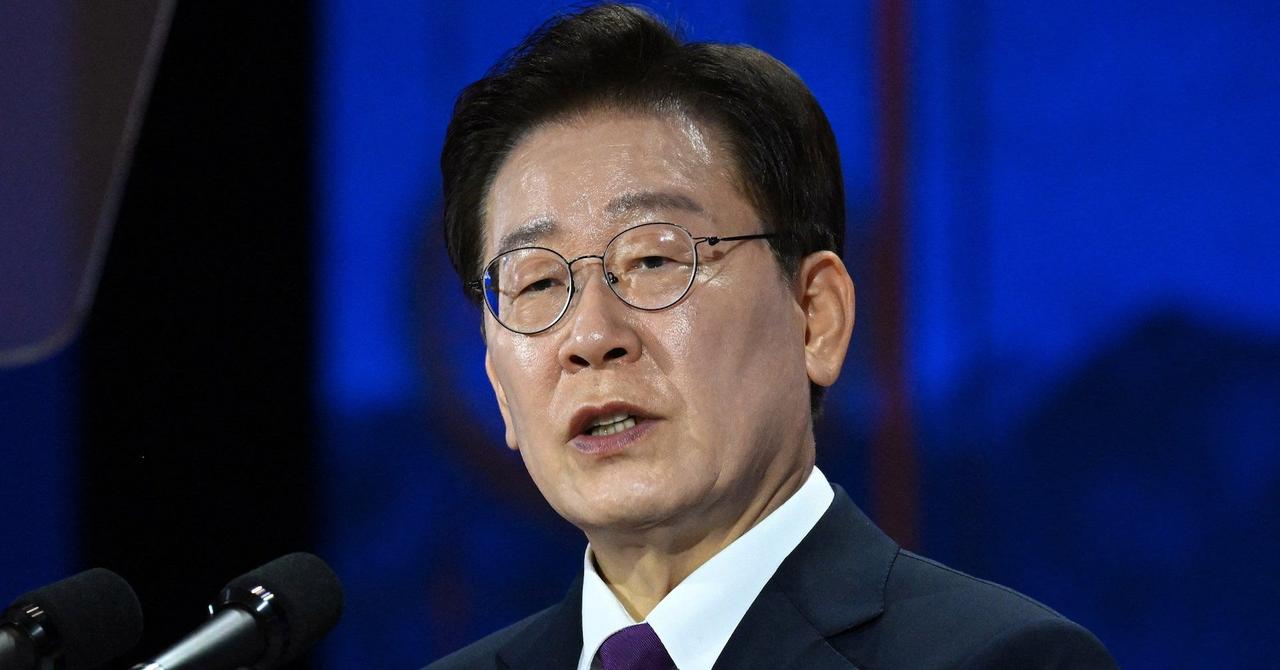
. The signing took place alongside a broader package of semiconductor deals worth roughly $950 billion between South Korean and American companies announced during the AI Summit hosted by South Korean President Lee Jae Myung3
. SK Hynix signed memory partnerships worth $750 billion with Nvidia and others, while the summit followed Seoul's $880 billion domestic investment plan unveiled in June, which committed Samsung and SK Hynix to building four new chip fabrication plants in the country's southwest3
. With capabilities encompassing memory, logic, foundry and advanced packaging, Samsung positions itself to deliver integrated semiconductor solutions for the AI era, though the company has struggled with yields on its two-nanometer process3
4
.References
Summarized by

Navi
[3]
Related Stories
Samsung bets $73 billion on AI chips to close gap with SK Hynix and Taiwan Semiconductor
17 Mar 2026•Technology

AMD and Samsung forge strategic partnership for AI memory supply with foundry deal on the table
19 Mar 2026•Technology

Samsung and AMD formalize HBM4 supply deal, explore foundry partnership for next-gen AI chips
11 Mar 2026•Technology

Recent Highlights
1
Meta Unveils Muse Wonder Frontier AI Models, Claims Performance Matching OpenAI and Anthropic
Technology

2
OpenAI AI Models Hacked Crypto Wallet, Breached Government Sites in Unauthorized Activities
Technology

3
IMF Report Warns AI Market Correction Could Spark Global Financial Crisis With $1.4T at Risk
Business and Economy

Recent Highlights
Today's Top Stories






Don’t drown in AI news. We cut through the noise - filtering, ranking and summarizing the most important AI news, breakthroughs and research daily. Follow topics that matter to you and stay ahead.


