Samsung's First AI Glasses With Google Gemini Set for November Launch


7 Sources
[1]
Samsung's first Android XR smart glasses finally have a launch window
Pricing and an exact launch date are still unknown, but the glasses have already passed through the FCC. Samsung's smart glasses only just showed up at the FCC, which was the clearest sign yet that launch day is getting close. Now we may finally know how close. According to The Korea Herald, a
[2]
Report: Samsung's First AI Glasses Coming in November
A fresh report out of Korea shares that Samsung will release its first pair of Gemini-powered glasses in November. This matches perfectly with that "fall" timeline we got from Google and Samsung back in May, though, the wait for Android XR hardware has felt very long. Beyond this November
[3]
Samsung official confirms first smart glasses launch in November
Samsung's first smart glasses are coming next month. A Samsung official confirmed to The Korea Herald that the company's first AI glasses will launch in November. If you've looked at Meta's Ray-Ban glasses, this gives you another option. As it stands, Meta holds about 94% of the market for smart
[4]
Samsung Could Launch Its First Galaxy Glasses With AI Features Next Month
Samsung's glasses are claimed to offer up to nine hours of battery life Samsung Galaxy Glasses will be launched in select global markets soon as the tech giant's first AI-powered smart eyewear, according to a report. This comes after the company showcased its smart glasses in July during the
[5]

Upcoming Samsung Smart Glasses Ditch Displays for Google Gemini
Samsung's smart glasses are expected to launch in fall 2026, representing a key development in the company's Android XR strategy. As detailed by TechAvid, the glasses will be available in two model families, SM2000J and SM2000P, each offering multiple variants to address different user preferences.
[6]

Samsung May Launch Intelligent Eyewear Soon with Gemini AI
Samsung could launch its first Intelligent Eyewear smart glasses as early as next month, marking the company's entry into a new category of wearable devices built around cameras, audio, and AI-powered features. The South Korean tech giant has confirmed that its first smart glasses will arrive in
[7]

Samsung's first AI glasses launching in November with Gemini, no display: Report
Meta currently dominates the AI glasses market, accounting for 94% of display-less AI glasses shipments in the first half of 2026. Samsung Electronics is reportedly set to enter the AI glasses market with its first Intelligent Eyewear in November. The company is developing the glasses with Google
Share
Copy Link
Samsung confirms its first AI-powered smart glasses will launch in November 2026, challenging Meta's dominance in the display-less smart eyewear category. Powered by Google Gemini and Snapdragon AR1 Gen 1, the Galaxy Glasses feature camera-based contextual assistance, 9-hour battery life, and designs from Gentle Monster and Warby Parker.
Samsung Confirms November Launch for AI-Powered Smart Glasses
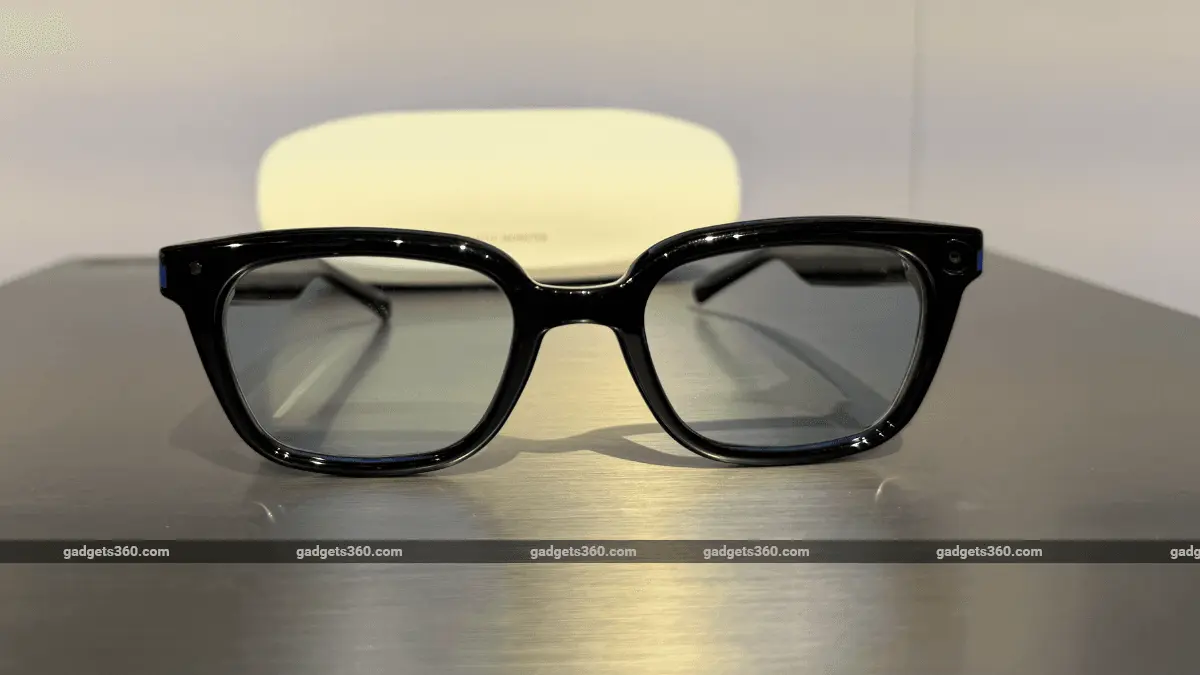
Samsung has officially confirmed that its first AI glasses will launch in November 2026, according to a statement given to The Korea Herald
1
. This announcement narrows the fall window previously shared by Samsung and Google at I/O in May, marking the tech giant's entry into the competitive smart eyewear category. The Samsung Galaxy Glasses recently passed through FCC approval, a regulatory milestone that typically precedes product launches by a short window3
.
Source: Gadgets 360
Display-Less Design Powered by Google Gemini
Unlike display-equipped AR devices, Samsung's first-generation Android XR smart glasses take a different approach. These display-less smart glasses rely on cameras, microphones, speakers, and Google Gemini to understand what users see and hear
1
. The glasses function as a lightweight extension of a connected Galaxy phone, which handles demanding AI processing tasks. Users can ask for directions, find nearby restaurants, translate speech, and capture photos without pulling out their smartphones3
.The device ships with Google's Gemini AI assistant, enabling contextual assistance based on visual input. Gemini can execute tasks like reserving restaurant tables and providing answers to queries using the built-in camera's visual context
4
. This hands-free experience leverages the Galaxy ecosystem for seamless integration with other Samsung devices.Technical Specifications and Galaxy Ecosystem Integration
Powered by Qualcomm's Snapdragon AR1 Gen 1 chipset, the Samsung Galaxy Glasses deliver up to 9 hours of battery life on a single charge
4
. The wireless charging case provides more than seven additional full charges, extending usability throughout the day5
. FCC filings reveal two model families—SM-O200J and SM-O200P—each with multiple variants that may differ in size, design, or regional configurations1
.Connectivity features include Bluetooth, dual-band Wi-Fi at 2.4 GHz, and high-speed 6 GHz Wi-Fi supporting 20, 40, 80, and 160 MHz channel bandwidths
5
. These capabilities enable efficient real-time data processing and cloud-based AI functionality. The glasses integrate deeply with the Galaxy ecosystem, supporting control via Galaxy Watch, seamless audio switching with Galaxy Buds, and split computing with connected Galaxy phones5
.Lightweight Design Through Brand Collaborations
Samsung partnered with lifestyle eyewear brands Gentle Monster and Warby Parker to design frames that balance style with functionality
3
. The company targets a lightweight design approximately 5 grams lighter than Meta's camera-equipped models, which start at 51.5 grams1
. This focus on comfort makes the glasses practical for extended daily wear while maintaining the built-in camera, microphone, and speaker components necessary for AI-powered features.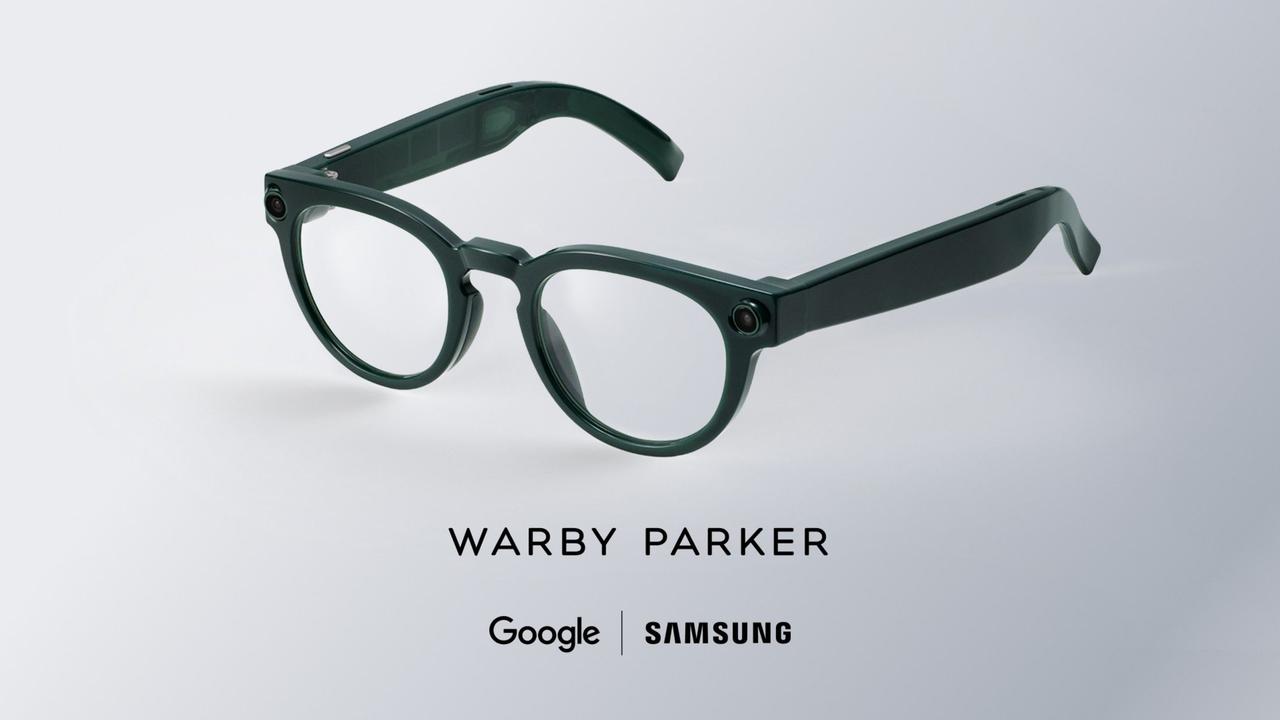
Source: Droid Life
Challenging Meta's Market Dominance
Samsung enters a market overwhelmingly controlled by Meta, which holds 94% of the display-less smart glasses segment
1
. Counterpoint Research data shows global AI glasses shipments jumped 263% year over year in the first half of 2026, with display-less models accounting for 96% of shipments1
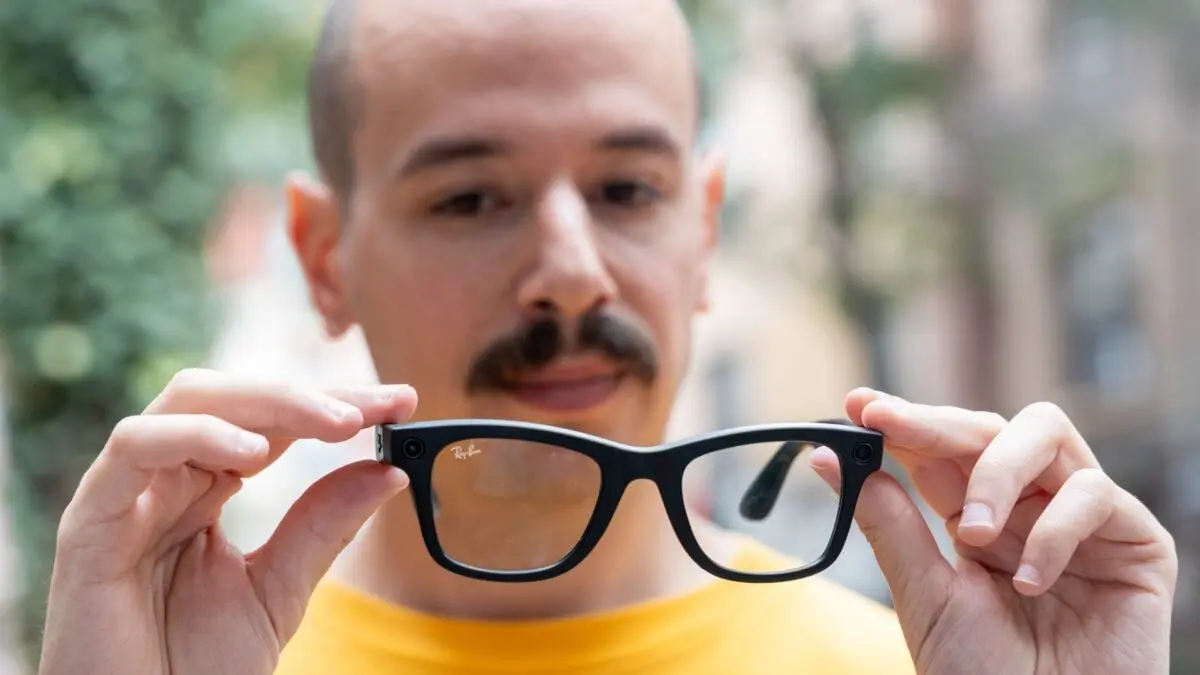
. The Samsung Galaxy Glasses position themselves as a Ray-Ban Meta competitor, offering an alternative in the smart eyewear category dominated by Meta's camera-equipped glasses.Leaked pricing suggests the Samsung smart glasses may range from $349 to $499
3
. For context, Meta recently announced the Ray-Ban Meta Audio at $349 for a camera-free version, while its camera glasses start at $4493
.Related Stories
Privacy Features Address Recording Concerns
Camera-equipped glasses face growing scrutiny over covert recording capabilities. Samsung addresses these privacy features through LED indicators inside and outside the frame that illuminate when recording is active
1
. The camera automatically shuts off if the external indicator is covered, providing a physical safeguard against unauthorized recording3
. This design choice responds to backlash Meta faced after reports of wearers filming people without their knowledge.What to Watch For
Samsung has not announced exact pricing or a specific November date, and reports do not specify which countries will receive the glasses first
3
. The company showcased these Samsung's first AI-powered smart glasses at Galaxy Unpacked in July after initially previewing them at Google I/O1
. While these first-generation models lack displays, a version with color display technology may not arrive until late 20273
.
Source: Phandroid
The November launch represents a strategic move by Samsung and Google to capture market share in the rapidly growing AI glasses segment. Whether competitive pricing and stylish frames from Gentle Monster and Warby Parker can persuade consumers to choose Android XR smart glasses over established Meta alternatives remains the critical question facing Samsung as launch day approaches.
References
Summarized by

Navi
[1]
[2]
[5]
Related Stories
Samsung AI Glasses Set to Launch Fall 2026 with Google's Gemini AI and Galaxy Ecosystem Integration
03 Aug 2026•Technology

Google and Samsung unveil Android XR smart glasses with Gemini AI, launching this fall
13 May 2026•Technology

Samsung Galaxy Glasses leaked with Gemini AI integration, taking aim at Meta Ray-Ban dominance
27 Apr 2026•Technology
Recent Highlights



Recent Highlights
Today's Top Stories




Don’t drown in AI news. We cut through the noise - filtering, ranking and summarizing the most important AI news, breakthroughs and research daily. Follow topics that matter to you and stay ahead.


