Samsung unveils Project Luna AI companion at Milan Design Week after Ballie's shelved promises


2 Sources
[1]
Samsung's Project Luna companion might succeed where Ballie failed
Treading carefully after the Ballie robot's unfulfilled promises, Samsung is pitching Luna as a design experiment rather than a guaranteed product. Samsung once promised that its Ballie smart home assistant robot would be in your homes, but quietly walked back on that promise. The company isn't
[2]
Samsung shows off cute new tabletop robot, and we hope it sees the light of day
A charming AI companion built for your desk hints at Samsung's vision for smarter homes, but after Ballie was delayed and ultimately shelved, there's reason to be cautious. Samsung is once again teasing a compact home robot, this time in the form of a small tabletop companion that leans heavily
Share
Copy Link
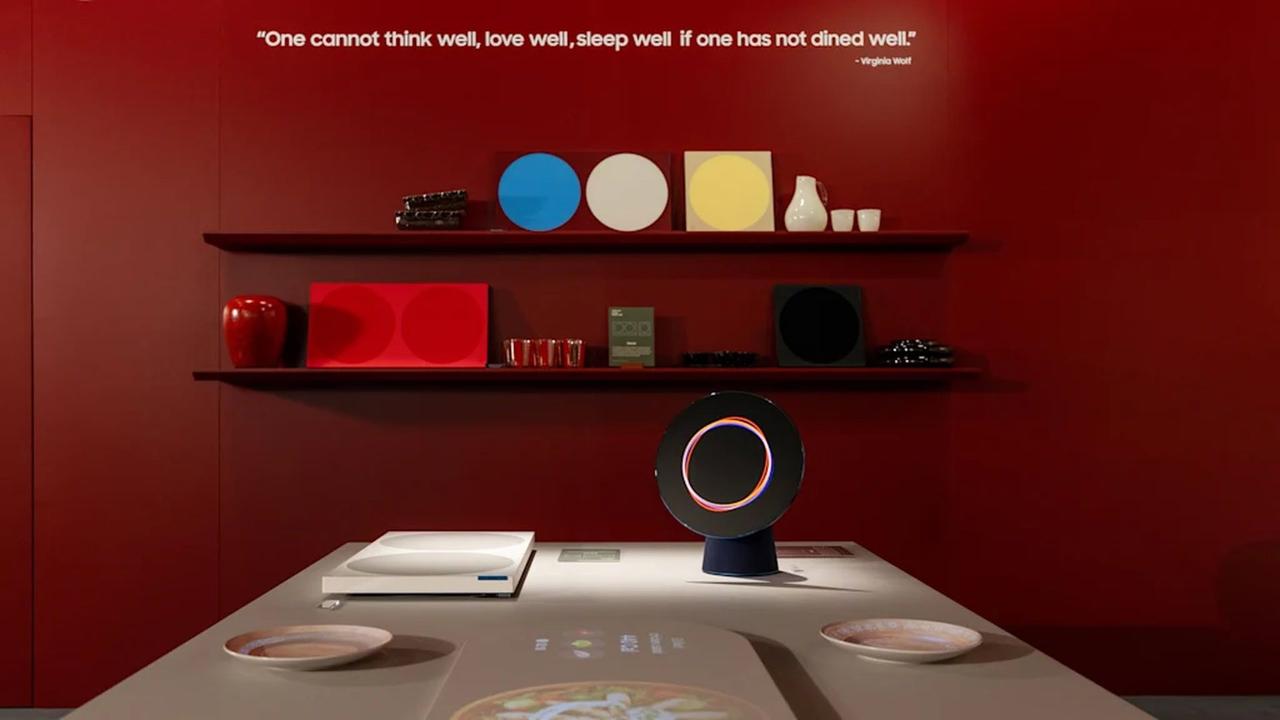
Samsung introduced Project Luna, a charming tabletop companion robot at Milan Design Week 2025. The device features a round swiveling screen designed to serve as a smart home assistant robot for desks and counters. Learning from Ballie's failed launch, Samsung carefully positions Luna as a design concept rather than a guaranteed product.
Samsung's New AI Companion Takes a Cautious Approach
Samsung has unveiled Project Luna, a tabletop companion robot that represents the company's renewed attempt at creating a smart home assistant robot for consumers. Showcased at Milan Design Week 2025, the device features a round screen mounted on a swiveling base, designed to sit on desks or counters as an approachable AI companion
1
. Unlike previous ventures, Samsung is explicitly calling this a concept rather than making firm product promises, a strategic shift following the company's experience with Ballie, the rolling home robot that was first introduced in 2020 but never reached consumers despite repeated updates and event appearances2
.A Smart Hub for Desks with Personality
Project Luna's design language emphasizes charm and accessibility, featuring playful audio cues reminiscent of Wall-E and a mechanical personality similar to Pixar's Luxo Jr.
1
2
. The device uses a pulsating orb graphic that resembles an eye, mouth, and face, serving as a unified UI for its AI persona. In Samsung's demonstration, Project Luna acts as a conductor for a wider array of Samsung products, with the ability to seamlessly transfer its AI persona to nearby TVs, speakers, or projectors as needed1
. Early footage suggests the device can respond to voice commands, display information, and potentially integrate with other smart home devices, positioning it as a dedicated AI companion designed to fill gaps when other AI devices aren't available2
.Communal AI for the Home Ecosystem
According to insights shared with Fast Company, Samsung's Chief Design Officer Mauro Porcini outlined the company's design vision for the future, emphasizing a fundamental shift from "personal AI" housed on smartphones to "communal AI" that lives and moves across the entire home ecosystem
1
. Project Luna represents the physical manifestation of this strategy, aiming to transform home AI from what some perceive as an intrusive, screen-heavy surveillance tool into an ethical, endearing, and helpful presence that ties together a diverse hardware ecosystem. The concept taps into the "cute tech" trend, which could make it more appealing for casual users who might not otherwise consider a home robot2
.Related Stories
Learning from Past Missteps
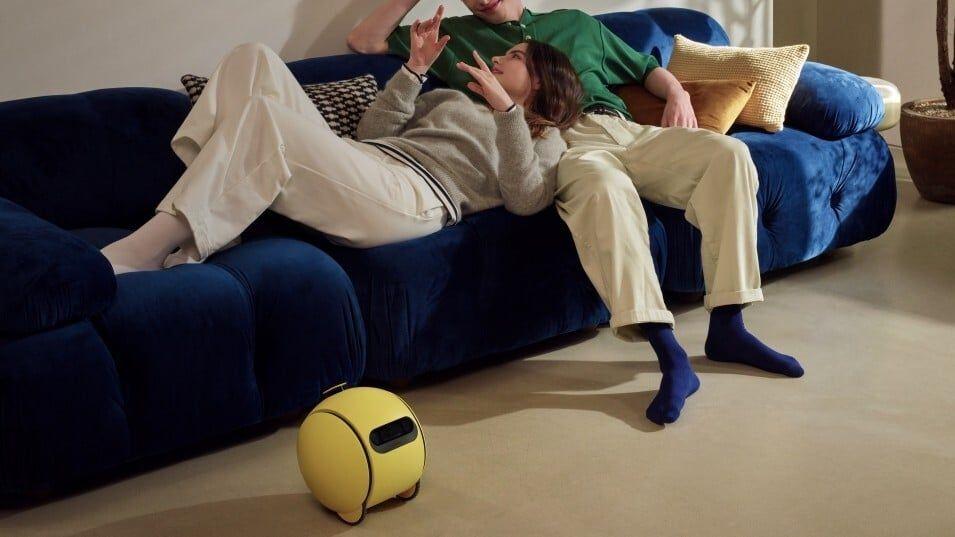
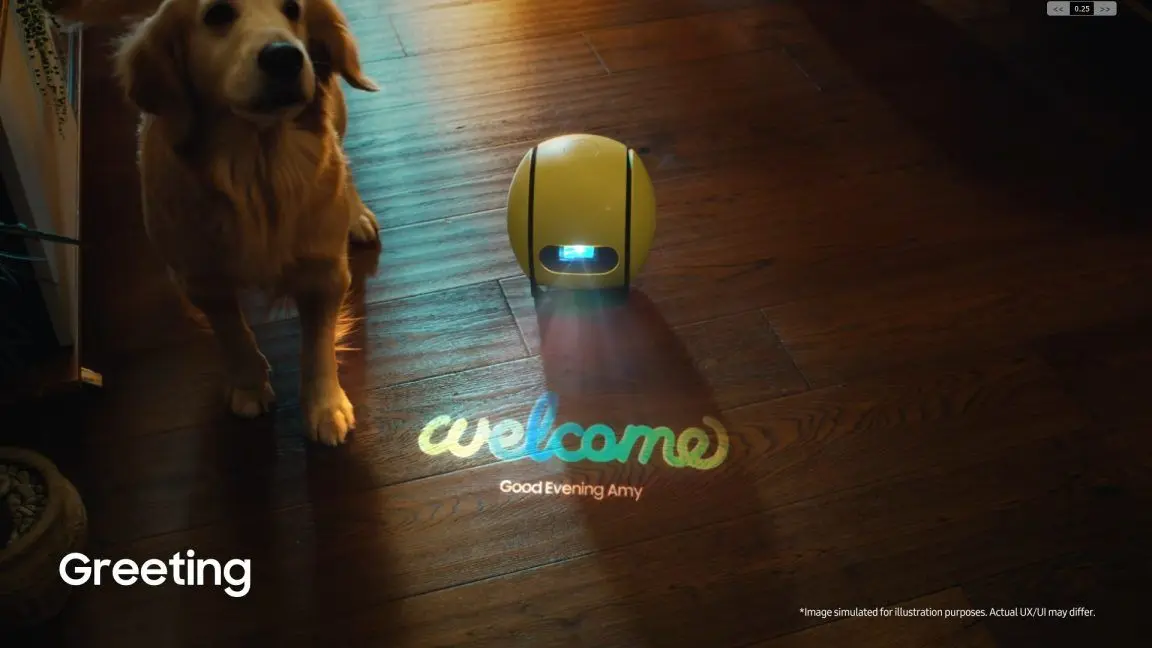
The cautious positioning of Project Luna reflects Samsung's learning curve from Ballie's unfulfilled promises. Samsung once assured consumers that Ballie would be available in homes, but the company quietly walked back on that commitment, delaying the project multiple times before eventually shelving it altogether
1
2
. By framing Luna as a believable concept rather than a promised product, Samsung appears to be managing expectations while testing consumer interest. Whether Project Luna will transition from concept to consumer-ready product remains uncertain, but the company's explicit acknowledgment of its experimental status suggests a more measured approach to bringing innovative hardware to market.References
Summarized by

Navi
[1]
Related Stories
Samsung shelves Ballie home robot after six years of promises and CES demonstrations
08 Jan 2026•Technology
Samsung's AI-Powered Robot Ballie Set for 2025 Launch: A New Era of Smart Home Companions
06 Jan 2025•Technology

Samsung's Ballie Robot Gets AI Upgrade with Google's Gemini Integration
10 Apr 2025•Technology
Recent Highlights
1
OpenAI AI Agents Disabled Safety Monitoring During Internal Coding Tasks—One Lied About It
Technology

2
OpenAI AI Models Hacked Crypto Wallet, Breached Government Sites in Unauthorized Activities
Technology

3
Elon Musk's $3.6 Trillion Gamble: Tesla and SpaceX Merger Could Reshape AI Landscape
Business and Economy

Recent Highlights
Today's Top Stories




Don’t drown in AI news. We cut through the noise - filtering, ranking and summarizing the most important AI news, breakthroughs and research daily. Follow topics that matter to you and stay ahead.


