SAP cloud revenue surges 22% as enterprise software giant navigates AI transformation costs


4 Sources
[1]
SAP's cloud beat calms AI fears, but profit outlook dips
SAP's cloud business is still growing fast, and that was the number investors wanted. Europe's biggest software company beat cloud-revenue forecasts and lifted its backlog 26%, easing fears that AI will hollow out enterprise-software subscriptions. The stock, down 35% this year on that very worry,
[2]
SAP turns in an AI-powered Q2 as CEO Christian Klein dives into the tokenomics debate and its impact on strategy
Wall Street ended the week on a happier note as SAP's quarterly numbers and AI market assessment calmed investors and didn't result in the usual meltdown over forward growth projections. Total revenue rose nine percent year-on-year to €9.88 billion with cloud revenue delivering a strong increase
[3]
SAP shrugs off AI eating software fears with big earnings beat
Enterprise software giant SAP SE's stock inched up in late trading today after it shook off concerns that its business might become a victim of the artificial intelligence boom by posting solid results in its latest earnings report. The strong numbers posted by SAP today suggest that AI tools that
[4]
SAP trims 2026 profit goal, signalling cost of AI push
Unlike consumer AI tools, enterprise AI depends heavily on structured, secured and regulatory compliant company data. Vendors such as SAP are spending on infrastructure and automation systems that matches those demands to connect AI tools and protected data so customers can apply AI to finance,
Share
Copy Link
SAP delivered strong Q2 results with cloud revenue hitting €6.28 billion and backlog jumping 26%, easing investor fears about AI disruption. However, Europe's biggest software company trimmed its 2026 profit outlook to €11.8-12.2 billion, reflecting the cost of recent AI-focused acquisitions including Dremio and Prior Labs.
SAP Cloud Revenue Growth Calms Investor Fears About AI Disruption
SAP delivered the numbers investors needed to see. Europe's biggest enterprise software company reported cloud revenue growth of 22% to €6.28 billion in the second quarter, beating analyst forecasts and sending its stock up more than 6% in Frankfurt
1
. The company's cloud backlog, a critical indicator of future sales, jumped 26% to €22.9 billion3
. This AI-powered Q2 performance provided much-needed relief for a stock that had plummeted 35% this year on fears that artificial intelligence would hollow out the subscription model SAP depends on1
.Total revenue rose 9% year-on-year to €9.88 billion, with earnings before certain costs reaching €1.89 per share, surpassing Wall Street's consensus estimate of €1.68 by a significant margin
3
. CEO Christian Klein emphasized that AI and SAP Business Data Cloud were embedded in more than 90% of the quarter's 50 largest deals, demonstrating robust enterprise AI adoption2
. The strong cloud numbers signal that customers are still signing up rather than walking away, directly countering concerns about AI replacing traditional software tools.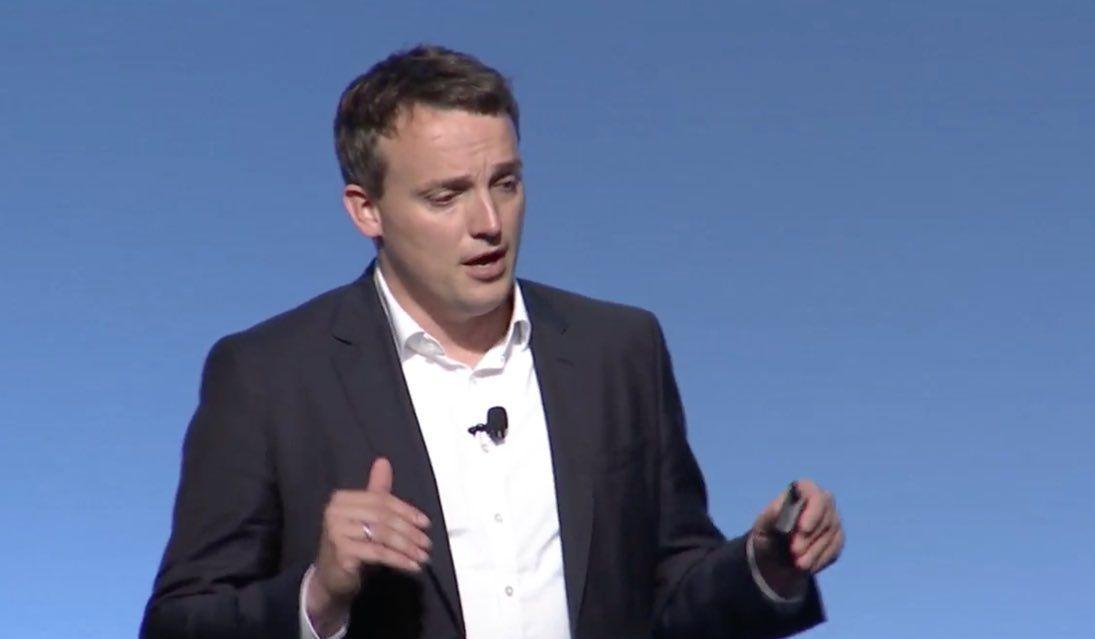
Source: diginomica
Profit Outlook Trimmed as AI Push Drives Strategic Acquisitions
Despite the revenue beat, SAP trimmed its 2026 profit outlook to €11.8-12.2 billion from €11.9-12.3 billion, citing a more than €100 million dilutive impact from its July acquisitions of data firm Dremio and AI startup Prior Labs . Operating profit rose 7% to €2.74 billion but missed analyst expectations
1
. The adjustment reflects the near-term cost of adapting enterprise software for artificial intelligence, as SAP invests heavily in infrastructure and automation systems to connect AI tools with protected, regulatory-compliant company data4
.Christian Klein has diverted budget and reshuffled management to fund the AI push, with the company cutting hiring and travel expenses to finance the transformation
1
. Software support revenue declined 7% in the quarter as SAP pushes customers off older on-premise software and into the cloud, with plans to charge more for maintaining legacy systems3
. Software license revenue fell 32% to €131 million, reflecting the ongoing shift from upfront licenses to subscription models2
.Tokenomics Debate Shapes SAP's Autonomous Enterprise Strategy
SAP's leadership addressed the growing tokenomics debate head-on, with Klein introducing the Autonomous Enterprise strategy that grounds AI in a company's core data rather than relying solely on generic large language models
2
. CFO Dominik Asam explained that SAP's approach combines deterministic, highly scalable enterprise applications with probabilistic agentic AI-powered solutions, avoiding lock-in to any single frontier model2
. The company is implementing tight cost containment measures, tracking token usage on a granular basis to optimize spending and direct resources where they deliver the best results.Klein highlighted several enterprise AI adoption use cases, including Amadeus developing an AI agent that autonomously reconciles around 40,000 incorrect transactions, and Denmark's Lemvigh-Muller achieving over 90% touchless processing with 98% matching accuracy using custom AI agents
2
. Tokenomics is also reshaping hiring strategies, with Klein noting that R&D teams are seeing productivity gains averaging 30%, reducing the need for additional hires2
. However, some analysts remain skeptical. Rebecca Wettemann of Valoir noted that "SAP still needs to do more to make its AI strategy compelling," questioning whether running all software on the same platform provides sufficient reason for enterprises to choose SAP for AI1
.Related Stories

Data Platform Modernization Drives Long-Term Competitive Position
SAP's focus on data platform modernization is central to its competitive positioning in enterprise AI. Klein pointed to Norsk Hydro's transition from legacy systems to an end-to-end data platform with Business Technology Platform, which cut BI solution build time by around 75% and accelerated report creation time by 50%
2
. Unlike consumer AI tools, enterprise AI depends heavily on structured, secured, and regulatory-compliant company data, requiring vendors to invest in infrastructure that connects AI tools with protected data for finance, supply chain, and HR processes4
.The quarter delivered a mixed message: SAP has proven that AI hasn't broken its business model, providing relief to nervous investors. Yet the company hasn't definitively shown that AI will accelerate growth, even as it spends aggressively to compete with rivals. For now, demonstrating resilience—proving "we are not the disruption's victim"—was enough to stabilize the stock
1
. Investors should watch whether SAP's current cloud backlog acceleration continues, signaling sustained demand, and whether the company can translate its Autonomous Enterprise vision into measurable customer value that justifies premium pricing in an increasingly competitive AI landscape.References
Summarized by

Navi
[1]
[2]
[3]
Related Stories
SAP cloud growth beats estimates as Europe's software giant doubles down on AI integration
24 Apr 2026•Business and Economy

SAP Shares Soar on Strong Cloud Growth and AI Integration
22 Oct 2024•Business and Economy

SAP cloud revenues jump 23% as business AI adoption accelerates across enterprise customers
30 Jan 2026•Business and Economy

Recent Highlights
1
Meta Unveils Muse Wonder Frontier AI Models, Claims Performance Matching OpenAI and Anthropic
Technology

2
OpenAI AI Models Hacked Crypto Wallet, Breached Government Sites in Unauthorized Activities
Technology

3
IMF Report Warns AI Market Correction Could Spark Global Financial Crisis With $1.4T at Risk
Business and Economy

Recent Highlights
Today's Top Stories






Don’t drown in AI news. We cut through the noise - filtering, ranking and summarizing the most important AI news, breakthroughs and research daily. Follow topics that matter to you and stay ahead.


