SEC Scrutinizes AI Corporate Disclosures as Bubble Concerns and Market Volatility Intensify


5 Sources
[1]
US SEC's top cop says agency is monitoring AI corporate disclosures
NEW YORK, Oct 30(Reuters) - The US Securities and Exchange Commission is examining artificial intelligence companies' corporate disclosures as investor worries mount over a potential AI bubble that may have been fueled by circular deals, the agency's enforcement director told Reuters on
[2]
US SEC's top cop says agency is monitoring AI corporate disclosures
The US Securities and Exchange Commission is examining artificial intelligence companies' corporate disclosures as investor worries mount over a potential AI bubble that may have been fueled by circular deals, the agency's enforcement director told Reuters on Friday. Big Tech stocks sold off this
[3]
SEC's AI Disclosure Scrutiny Meets Growing Unease Over Infrastructure Financing | PYMNTS.com
The Securities and Exchange Commission is scrutinizing artificial intelligence companies' disclosures amid growing concern over infrastructure spending and circular financing. The increased scrutiny comes as the agency is placing renewed emphasis on accounting enforcement. The SEC wants investors
[4]
SEC examining AI companies' disclosures amid bubble concerns By Investing.com
Investing.com -- The US Securities and Exchange Commission is reviewing corporate disclosures from artificial intelligence companies as concerns grow over a possible AI bubble potentially driven by circular deals, according to the agency's enforcement director. David Woodcock, who assumed the role
[5]

US SEC's top cop says agency is monitoring AI corporate disclosures
NEW YORK, Oct 30(Reuters) - The US Securities and Exchange Commission is examining artificial intelligence companies' corporate disclosures as investor worries mount over a potential AI bubble that may have been fueled by circular deals, the agency's enforcement director told Reuters on
Share
Copy Link
The SEC is examining AI corporate disclosures amid growing concerns over a potential AI investment bubble fueled by circular financing arrangements. Enforcement Director David Woodcock emphasizes the agency's focus on investor protection and accurate risk disclosures as Big Tech companies burn through cash for AI expansion while rising interest rates raise sustainability questions.
SEC Intensifies Focus on AI Corporate Disclosures
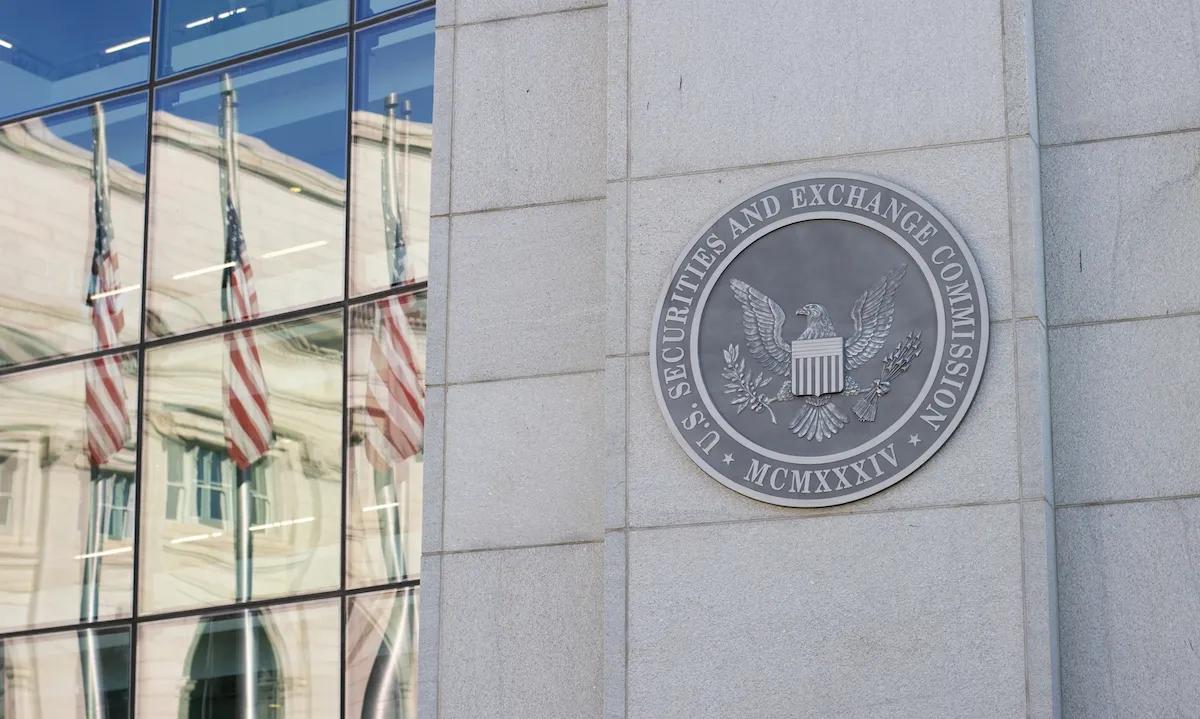
The SEC is examining AI corporate disclosures as concerns mount over a potential AI investment bubble, according to Enforcement Director David Woodcock
1
. Speaking to Reuters, Woodcock made clear that while the agency does not want to obstruct technological innovation, ensuring investor protection through accurate risk disclosures remains paramount. "Our principal concern is that people are making accurate disclosures about material information so that investors know what they're getting into," Woodcock stated2
. He added that "enforcement will be present" where adequate disclosure is absent4
.
Source: PYMNTS
Market Volatility and Unsustainable Spending Patterns
Big Tech stocks experienced significant sell-offs this week as companies disclosed they are burning through cash to fuel AI expansion at a time when rising interest rates are creating financial pressure
1
. These developments have raised serious questions about the sustainability of current AI spending levels. The timing is particularly concerning as companies race to expand computing capacity while facing higher borrowing costs. This combination has prompted investors to reassess whether the returns on massive AI infrastructure investments will justify the expenditures.Circular Financing Arrangements Under Scrutiny
The SEC's scrutiny extends to circular financing arrangements that have emerged as chipmakers, cloud providers, and AI developers become increasingly interconnected through investments and commercial agreements
3
. These relationships raise critical disclosure issues, particularly regarding whether investors can distinguish between demand supported by suppliers' financing and spending sustained by customers' own operations. Meta's recent fundraising provides a concrete example: the company increased its planned equity offerings to $97.5 billion, with Nvidia, Advanced Micro Devices, and Broadcom expressing interest in investing up to $5 billion collectively3
. Nvidia and AMD subsequently announced investments of $3 billion and $1 billion respectively. Such arrangements allow suppliers to help finance customers that buy their products, reinforcing concerns about circular capital flows. Meta reported $2.12 billion in negative free cash flow for the third quarter, compared with positive free cash flow of $10.63 billion a year earlier, with future spending commitments totaling approximately $825 billion, primarily for data centers and AI infrastructure3
.Related Stories

Enhanced Financial Reporting Enforcement
David Woodcock, who became SEC enforcement director in May, brings significant expertise to this challenge as a certified public accountant who previously worked as an auditor
3
. During his earlier tenure directing the SEC's Fort Worth office from 2011 to 2015, he helped create and chaired the agency's Financial Reporting and Audit Task Force. The SEC announced on August 5 a specialized Financial Reporting and Accounting Unit to pursue financial reporting fraud and misconduct involving accounting and auditing3
. This unit concentrates specialist expertise to help the agency develop stronger cases more quickly, signaling that ambitious AI expansion plans will be assessed alongside the quality of supporting material information.AI-Driven Scams and Retail Investors at Risk
Woodcock also highlighted that AI and superintelligence have made AI-driven scams much easier and cheaper to manufacture at scale, raising risks for increasing numbers of people
5
. He emphasized that brokers and other firms need to have processes in place to protect retail investors and "take thoughtful action"2
. This warning underscores the dual challenge facing regulators: ensuring corporate transparency while protecting individual investors from increasingly sophisticated fraud enabled by AI technologies. The practical issue for boards, finance teams, and counsel is whether investors receive enough information to assess the durability of growth and the risks that financing arrangements create3
.References
Summarized by

Navi
[3]
[5]
Related Stories
SEC Targets AI Super Intelligence and Tokenization in New 2027 Examination Priorities
23 Oct 2026•Policy and Regulation

Big Tech's $740 Billion AI Spending Hits Economic Turbulence as Google Admits AI Search Earns Less
29 Oct 2026•Business and Economy

Wall Street Banks Navigate AI Financing Risks as $10 Trillion Infrastructure Boom Tests Credit Standards
13 Oct 2026•Business and Economy

Recent Highlights



Recent Highlights
Today's Top Stories







Don’t drown in AI news. We cut through the noise - filtering, ranking and summarizing the most important AI news, breakthroughs and research daily. Follow topics that matter to you and stay ahead.


