Super Micro Contractor Admits Guilt in $2.5 Billion Scheme to Divert AI Servers to China


3 Sources
[1]
Super Micro case fixer pleads guilty to sending AI servers to China
Ting-Wei Sun admitted helping divert Nvidia-powered servers to China. Co-founder Wally Liaw denies the charges. A former contractor charged alongside Super Micro Computer's co-founder has pleaded guilty to helping smuggle AI servers to China, Bob Van Voris reported for Bloomberg. Ting-Wei 'Willy'
[2]
Super Micro Contractor Pleads Guilty in $2.5B China AI Server Scheme - NVIDIA (NASDAQ:NVDA)
Ting-Wei "Willy" Sun, a Super Micro Computer Inc. (NASDAQ:SMCI) contractor, pleaded guilty to helping illegally export servers with advanced Nvidia Corp. (NASDAQ:NVDA) AI chips to China in an alleged $2.5 billion scheme. Prosecutors Allege $2.5 Billion Super Micro Server Diversion to China Sun
[3]
Super Micro contractor pleads guilty in scheme to divert AI servers with Nvidia chips to China
Oct 9 (Reuters) - A contractor linked to Super Micro Computer has pleaded guilty in a scheme to illegally export computer servers containing advanced Nvidia AI chips to China, according to a court filing on Friday. In March, U.S. prosecutors charged Ting-Wei "Willy" Sun and two others associated
Share
Copy Link
A Super Micro contractor pleaded guilty to helping smuggle Nvidia-powered AI servers worth $2.5 billion to China, violating US export controls. Ting-Wei 'Willy' Sun admitted to four charges including conspiracy and fraud, while co-founder Wally Liaw denies involvement in the scheme.
Super Micro Contractor Enters Guilty Plea in Manhattan Federal Court
Ting-Wei 'Willy' Sun, a contractor linked to Super Micro Computer, pleaded guilty Thursday in Manhattan federal court to orchestrating a scheme to divert AI servers equipped with advanced Nvidia AI chips to China.
1
Sun admitted to four charges: conspiring to violate U.S. export controls, smuggling, defrauding the U.S. government, and obstructing justice.2
The guilty plea marks a significant development in a case that has exposed vulnerabilities in global AI supply chains and raised urgent questions about national security.The $2.5 Billion Scheme to Illegally Export AI Servers to China

Source: Market Screener
Prosecutors charged Sun and two others in March with conspiring to divert approximately $2.5 billion worth of U.S. AI technology to China.
3
The scheme to divert AI servers began around 2024 and involved shipping Nvidia-powered AI servers to a Southeast Asian company, which then redirected them to customers in China.1
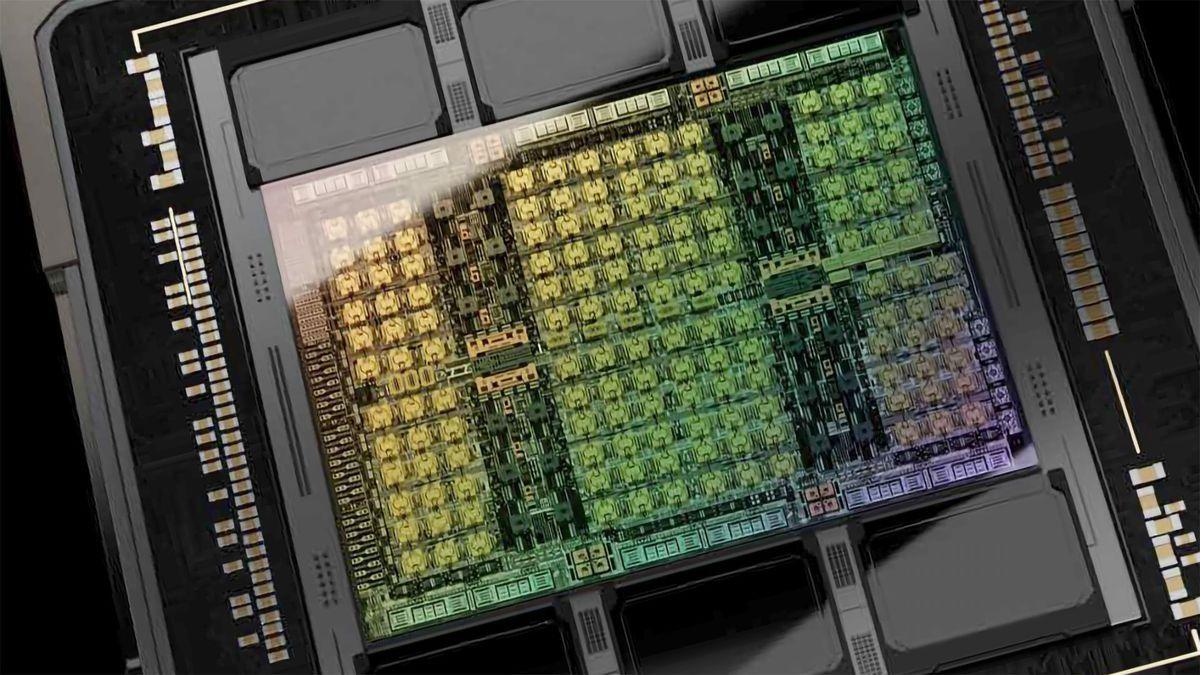
These servers contained chips that US export controls explicitly bar from sale to China, including Nvidia's B200, H100, and H200 graphics processing units.2
Described by authorities as a 'fixer,' Sun played a central role in facilitating unauthorized AI technology transfers that circumvented licensing requirements designed to protect American technological advantages.Elaborate Deception Tactics to Fool Auditors
Source: The Next Web
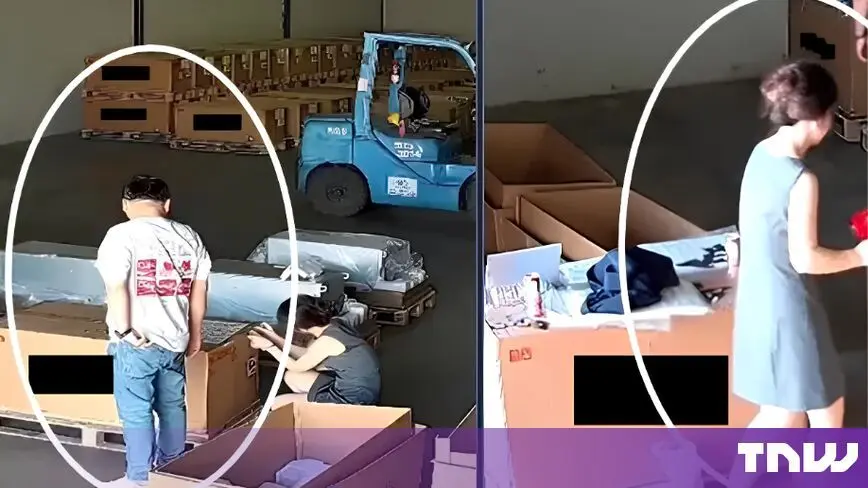
The indictment reveals that Sun and his co-conspirators went to extraordinary lengths to conceal their activities. They allegedly falsified records and created 'dummy' servers to mislead auditors during inspections.
1
In one instance, the group reportedly used a hair dryer to attach serial numbers to fake equipment.1
According to prosecutors, Sun helped set up these fake servers in December 2025 and lied directly to a U.S. Department of Commerce official during an inspection, even though the actual servers had already been diverted to China.2
This level of sophistication suggests a calculated effort to systematically evade detection while maintaining the appearance of compliance.Related Stories
Co-Founder Wally Liaw Denies Charges as Case Continues
Source: Benzinga
While Sun has accepted responsibility, Super Micro co-founder Yih-Shyan 'Wally' Liaw, who was also charged in March, has pleaded not guilty to the allegations.
1
Liaw has since left the company's board.1
A third defendant, former Taiwan sales manager Ruei-Tsang 'Steven' Chang, has not appeared in court.1
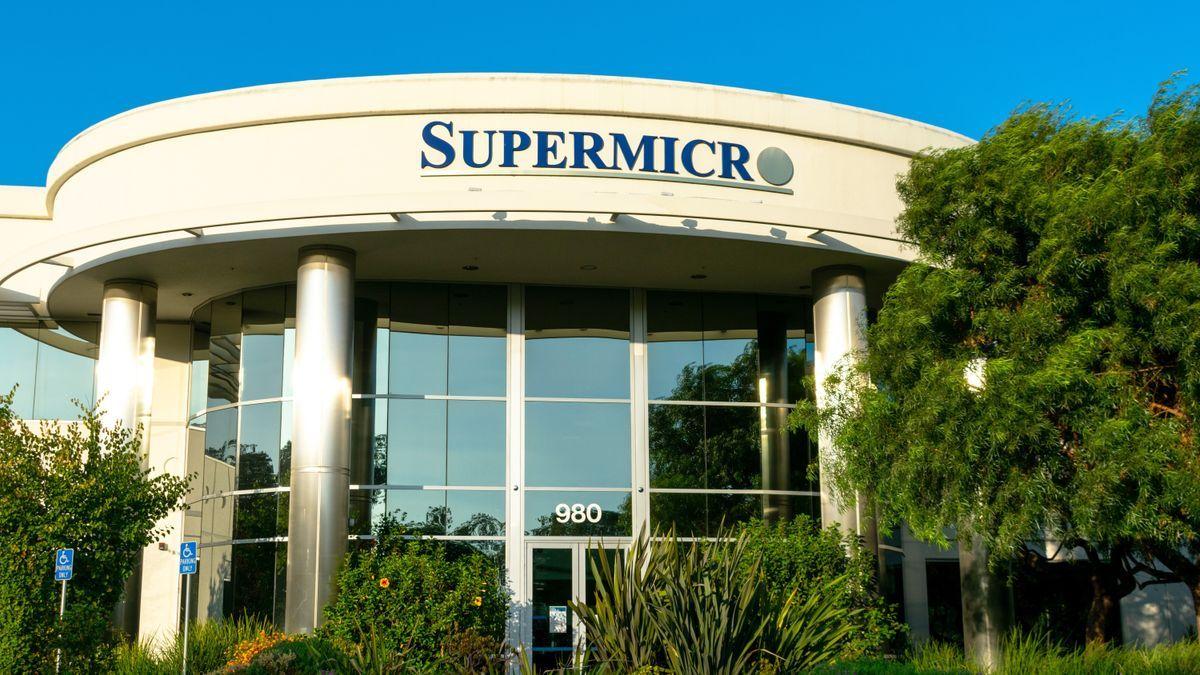
Super Micro itself is not a defendant in the case. The California-based AI-server maker, which has a market capitalization of $27.50 billion, stated in August that its current senior leaders had no knowledge of the scheme and that the company is cooperating fully with investigators.1
2
The company confirmed it terminated Sun and severed ties with the other defendants earlier this year.2
Growing Pattern of AI Technology Smuggling Cases
This case is part of a disturbing trend of attempts to circumvent export restrictions on AI technology. Just last week, U.S. prosecutors charged a California man with sending $300 million worth of AI servers to China.
1
The U.S. restricts sales of advanced AI chips to China on national security grounds, recognizing that these technologies could enhance China's military and surveillance capabilities. Sun's sentencing is scheduled for September 2027, giving prosecutors and the court ample time to assess the full scope of the damage.1
As AI continues to reshape global power dynamics, expect intensified scrutiny of supply chains and stricter enforcement of export regulations. Companies operating in this space must implement robust compliance programs or risk severe legal and reputational consequences.References
Summarized by

Navi
[2]
Related Stories
Supermicro co-founder pleads not guilty to $2.5 billion China chip smuggling charges
01 Apr 2026•Policy and Regulation
Super Micro shareholders sue over securities fraud as AI chip smuggling charges shake investor confidence
20 Mar 2026•Policy and Regulation
Supermicro raided as Taiwan escalates chip smuggling probe with staff detentions
30 Jun 2026•Policy and Regulation
Recent Highlights



Recent Highlights
Today's Top Stories






Don’t drown in AI news. We cut through the noise - filtering, ranking and summarizing the most important AI news, breakthroughs and research daily. Follow topics that matter to you and stay ahead.


