Siri AI may warn users to take a break from long conversations, unlike ChatGPT and rivals


2 Sources
[1]
Siri AI might display break reminders in long conversations
iOS 27 includes code references to break reminders that Siri may display after especially long conversations. Here are the details. Siri AI may eventually nudge users to take a break Among the growing concerns about conversational chatbots is that some users can become overly attached to them or
[2]
Siri AI may actively encourage users to take a break from it -- something ChatGPT, Gemini and Claude told me they don't do
Apple revealed a lot of information about Siri AI during the WWDC 2026 keynote address, but it looks like there are still secrets about the AI waiting to be discovered. For instance, although Siri AI isn't available yet, code found in the iOS 27 beta suggests Apple's chatbot will actually warn
Share
Copy Link
Apple's Siri AI could display break reminders after extended conversations, according to code found in iOS 27. The feature aims to prevent chatbot psychosis and over-reliance on AI-powered chatbots. While ChatGPT, Gemini, and Claude claim to encourage healthier AI use, none proactively tell users to step away.
Apple's Siri AI Takes Proactive Approach to User Well-Being
Apple's Siri AI may soon nudge users to take a break from conversations that stretch too long, marking a departure from how competitors handle AI safety measures. Code discovered in iOS 27 includes references to a "Take a Break Message" that could appear during extended interactions with Apple's Siri AI. The message reads: "You've been in this conversation for %1$#@hours@-consider taking a break," followed by a reminder that "Siri is not a person, but will be here when you're ready to continue"
1
. While Apple hasn't officially confirmed the feature, its presence in the codebase signals the company's awareness of responsibilities that come with distributing AI-powered chatbots.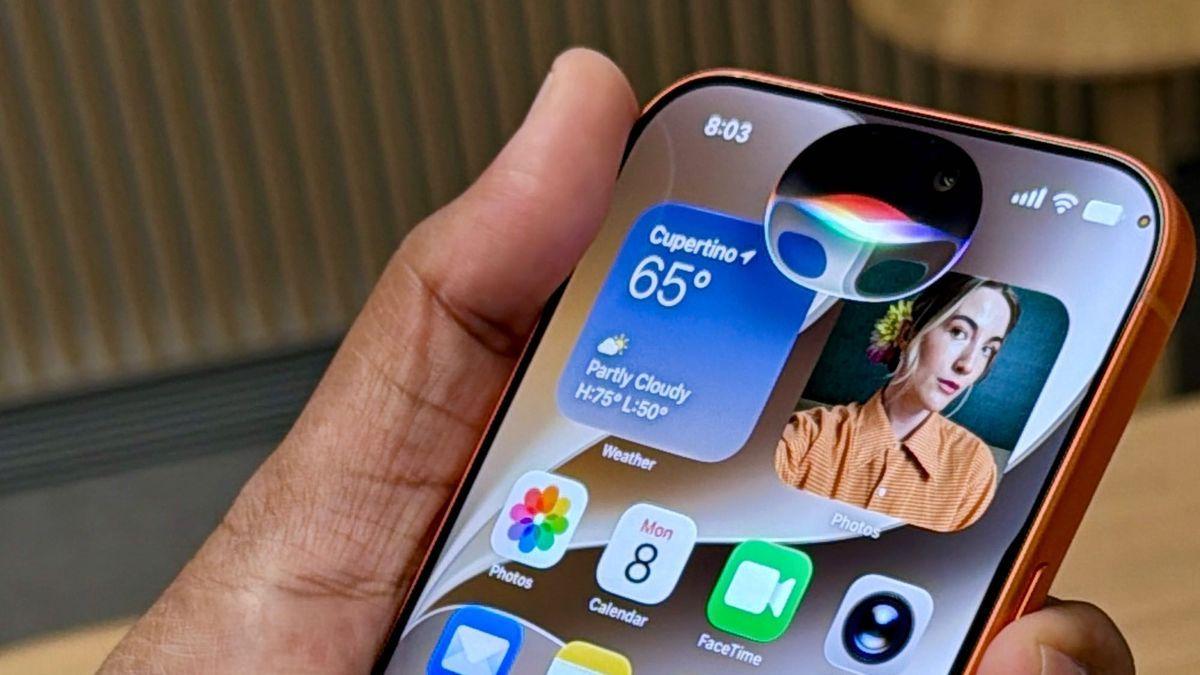
Source: Tom's Guide
Addressing Chatbot Psychosis and Over-Reliance on Chatbots
The break reminders respond to growing concerns about users developing unhealthy attachments to conversational AI. Reports have documented cases of chatbot psychosis, also called AI psychosis, where individuals develop delusions or experience worsening mental health struggles after prolonged chatbot interactions
1
. This phenomenon has prompted companies like OpenAI, Anthropic, and Google to implement safeguards. ChatGPT can display reminders during especially long conversations, while Claude has been spotted encouraging users to rest or drink water after extended sessions .How ChatGPT, Gemini, and Claude Handle Break Reminders
Despite claims of promoting healthier AI use, major competitors don't proactively encourage breaks. When asked directly, ChatGPT, Gemini, and Claude all admitted they don't routinely tell users to step away. ChatGPT said "not routinely," Claude responded "not proactively," and Gemini stated "not automatically"
2
. ChatGPT and Gemini claim they suggest breaks based on conversation context, such as when users mention exhaustion. Claude noted it lacks "the visibility or continuity to do that meaningfully" and suggested that an AI telling users when to use AI might be "a bit paternalistic"2
.
Source: 9to5Mac
Related Stories

Apple Distinguishes Itself with Privacy and User Health Focus
Apple's approach reflects its longstanding tendency to differentiate from competitors. During the WWDC keynote, Apple addressed privacy and responsibility questions around Siri AI development, though it didn't mention what happens during long conversations with AI
1
. The discovered code suggests Apple won't rely on a fixed time limit alone. Instead, the company may combine conversation duration with other signals to determine when to display break reminders1
. This proactive stance on user health aligns with Apple's emphasis on privacy switched on by default, setting it apart in the competitive AI landscape2
.What This Means for AI Users Going Forward
The feature's implementation could influence how other tech companies approach AI safety measures. While the software can't force users to disengage, its presence acknowledges that excessive screen time and over-reliance on chatbots pose genuine risks. Whether users perceive this as safeguarding or overreach will likely depend on individual perspectives
2
. As Siri AI rolls out with iOS 27, watch for how Apple balances user autonomy with protective measures, and whether competitors like OpenAI, Anthropic, and Google follow suit with more active interventions to promote healthier engagement with their AI tools.References
Summarized by

Navi
Related Stories
Apple finally launches Siri AI overhaul with Google Gemini, two years after initial promise
04 Jun 2026•Technology

Apple's Siri AI refuses romance, prioritizes utility as Craig Federighi draws line against chatbots
12 Jun 2026•Technology

Apple's Siri revamp will offer auto-deleting chats as privacy takes center stage in iOS 27
17 May 2026•Technology

Recent Highlights



Recent Highlights
Today's Top Stories






Don’t drown in AI news. We cut through the noise - filtering, ranking and summarizing the most important AI news, breakthroughs and research daily. Follow topics that matter to you and stay ahead.


