SK Hynix Forecasts 30% Annual Growth in AI Memory Market Through 2030


5 Sources
[1]
SK hynix projects HBM market to be worth tens of billions of dollars by 2030 -- says AI memory industry will expand 30% annually over five years
Amidst all the theatrics of the ongoing China-U.S. semiconductor wars, SK Hynix -- a South Korean giant also affected by tariffs -- expects the global market for High Bandwidth Memory (HBM) chips used in artificial intelligence to grow by around 30% a year until 2030, driven by accelerating AI
[2]
Exclusive: SK Hynix expects AI memory market to grow 30% a year to 2030
SEOUL/SAN FRANCISCO, Aug 11 (Reuters) - South Korea's SK Hynix (000660.KS), opens new tab forecasts that the market for a specialized form of memory chip designed for artificial intelligence will grow 30% a year until 2030, a senior executive said in an interview with Reuters. The upbeat
[3]
US tariff fears fail to shake SK Hynix as AI chip demand fuels record-breaking growth projections until the end of the decade
HBM technology stacks chips vertically for greater efficiency and reduced energy consumption SK Hynix is forecasting rapid expansion in the AI memory segment, estimating a 30% annual growth rate for high-bandwidth memory (HBM) until 2030. The company's projection comes amid uncertainty
[4]
SK hynix president says AI memory market to grow at average annual rate of 30% through 2030
TL;DR: SK hynix forecasts the HBM memory market to grow 30% annually through 2030, driven by strong AI demand from NVIDIA, AMD, and major cloud providers. The upcoming HBM4 standard offers customized performance, raising production complexity and prices, solidifying SK hynix's leadership in
[5]

Exclusive-SK Hynix expects AI memory market to grow 30% a year to 2030
SEOUL/SAN FRANCISCO (Reuters) -South Korea's SK Hynix forecasts that the market for a specialized form of memory chip designed for artificial intelligence will grow 30% a year until 2030, a senior executive said in an interview with Reuters. The upbeat projection for global growth in
Share
Copy Link
SK Hynix projects significant growth in the High Bandwidth Memory (HBM) market for AI applications, expecting it to reach tens of billions of dollars by 2030. The company remains optimistic despite potential US tariffs and increasing competition in the sector.
SK Hynix's Optimistic Forecast for AI Memory Market
SK Hynix, a leading South Korean semiconductor manufacturer, has projected a robust 30% annual growth rate for the High Bandwidth Memory (HBM) market through 2030. This forecast comes amid increasing demand for AI-specific memory solutions and technological advancements in the sector
1
2
.HBM Technology and Market Dynamics
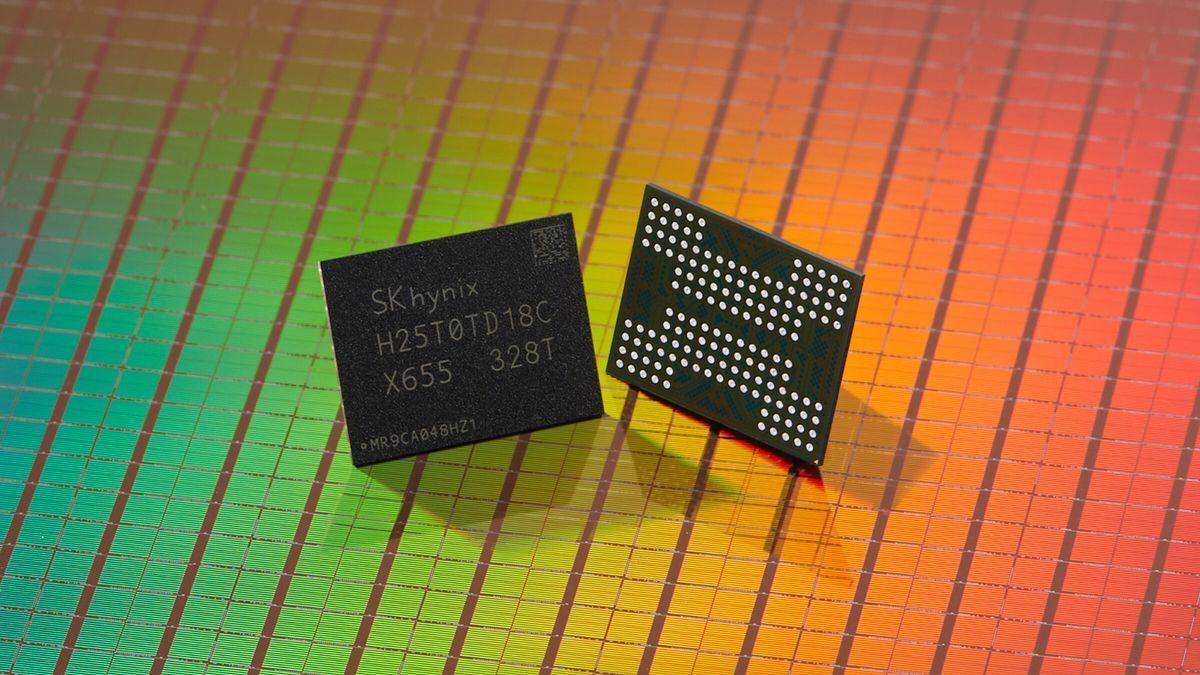
High Bandwidth Memory, first introduced in 2013, involves stacking memory chips vertically to improve performance and efficiency. This technology is crucial for processing the large volumes of data generated by complex AI applications
3
.
Source: TechRadar
2
.The company's head of HBM business planning, Choi Joon-yong, stated, "AI demand from the end user is pretty much, very firm and strong"
2
. This optimism is fueled by the significant AI capital spending projected by major cloud computing companies such as Amazon, Microsoft, and Google1
.Technological Advancements and Customization
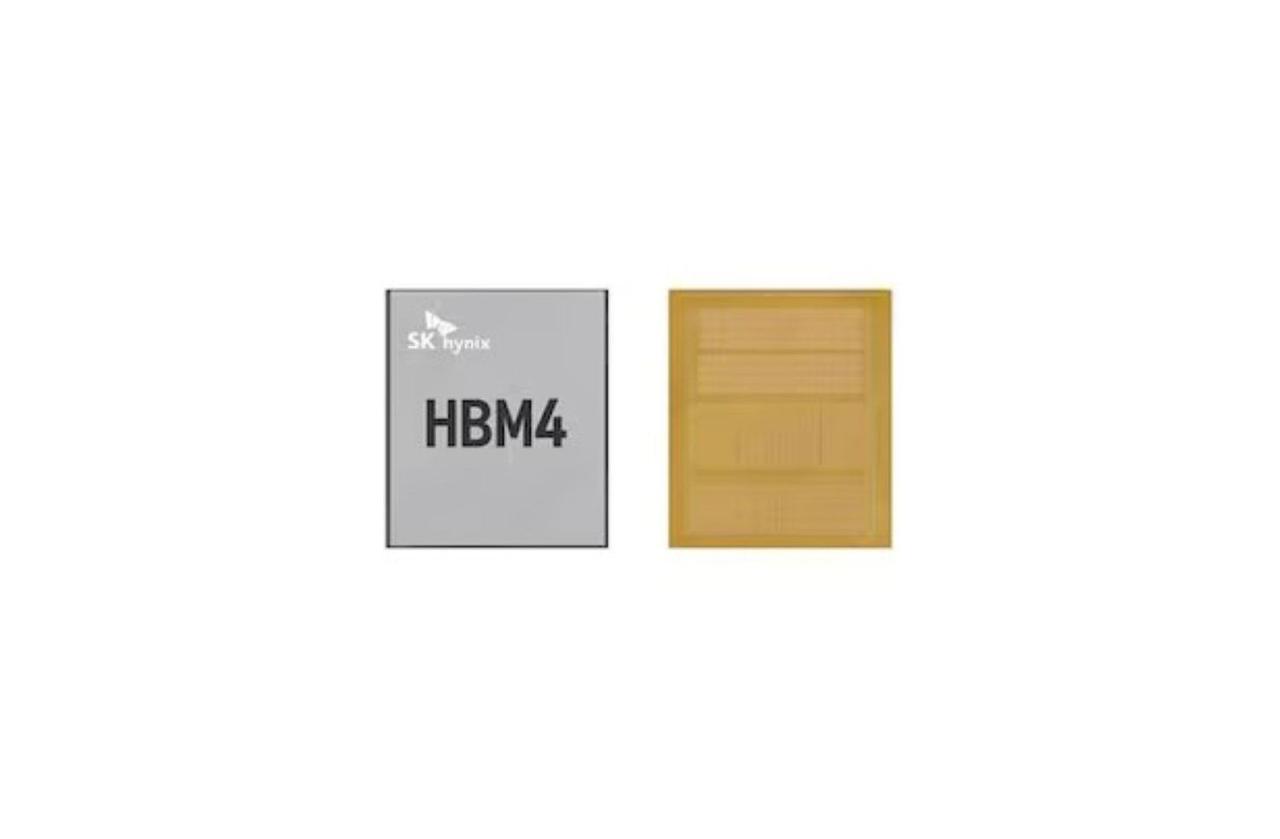
The upcoming HBM4 standard represents a significant shift in the memory business.
Source: TweakTown
2
4
. This advancement makes it more challenging to substitute rival products, potentially solidifying market positions.Choi emphasized the growing importance of customization, noting that "Each customer has different taste"
2
. While larger customers like Nvidia currently receive individualized solutions, SK Hynix anticipates increased demand for customization from smaller clients as well4
.Market Competition and Challenges
SK Hynix currently holds the largest share of the HBM market and is the primary supplier to Nvidia. However, the company faces competition from Samsung and Micron, who are also scaling up their HBM production
1
5
. Samsung has recently cautioned about potential oversupply of HBM3E in the short term, which could pressure prices2
.Related Stories



Geopolitical Considerations
The AI memory market's growth projections come against the backdrop of potential geopolitical challenges. U.S. President Donald Trump has announced plans for a 100% tariff on semiconductor chips imported from countries without U.S.-based manufacturing
1
2
. However, South Korean officials have indicated that both SK Hynix and Samsung would likely be exempt due to their existing and planned U.S. facilities2
.SK Hynix's Strategy and Outlook
Despite these challenges, SK Hynix remains confident in its ability to maintain its market position.
Source: Reuters
2
3
. This strategy aims to secure supply to North American customers while mitigating potential trade risks.As the AI infrastructure continues to expand, SK Hynix's fortunes are closely tied to the sector's growth. While factors such as oversupply, customer concentration, or disruptive memory technologies could impact growth, the company's current lead in customization and packaging positions it well for the projected AI-driven demand increase
1
5
.References
Summarized by

Navi
[1]
[4]
[5]
Related Stories
Recent Highlights



Recent Highlights
Today's Top Stories



Don’t drown in AI news. We cut through the noise - filtering, ranking and summarizing the most important AI news, breakthroughs and research daily. Follow topics that matter to you and stay ahead.


