Memory shortage forces PC makers to raise prices up to 30% as AI demand drains supply


8 Sources
[1]
MSI plans to raise prices by up to 30% amid memory crunch
Serving tech enthusiasts for over 25 years. TechSpot means tech analysis and advice you can trust. Hardware Slop: MSI is adding its own chapter to the ongoing story of memory chip shortages and the growing concentration of power in the AI industry. Big tech companies and AI startups are buying up
[2]
Think the RAM Crisis Is Bad Now? It Just Keeps Getting Worse
With relief now not expected until 2030, PCs and smartphones will just keep getting more expensive. Unless the AI bubble bursts and sends all those planned data center projects packing, you won’t see an end to memory pricing woes anytime soon. One of the big three semiconductor companies capable
[3]
'Difficult to survive': RAMaggedon hits Intel as new report says it is jacking CPU prices by 10%
Windows PC makers are struggling through the ongoing RAM crisis, and a new report indicates it's not going to get better, thanks to an integral PC component getting more expensive. The Korean outlet, ETNews is reporting that Intel will raise the prices of its CPUs by 10%, largely because of
[4]
'We are only able to supply, for our key customers in the midterm, about 50% to two-thirds of their requirements': Micron CEO forecasts production spend increase to meet the insane demand for memory - but the RAM crisis will only get worse
* Micron CEO says company is unable to meet current demand * DRAM production is being prioritized for AI and datacenters * Consumers are reeling for the cheap RAM of yesteryear Micron Technology Inc. CEO Sanjay Mehrotra has said that the company "are only able to supply, for our key customers in
[5]

MSI to increase gaming product prices by up to 30% as memory costs spike
With artificial intelligence (AI) demand surging and key components such as memory in tight supply, Micro-Star International (MSI) chairman Joseph Hsu and president Jeans Huang said the company is actively expanding in the AI server market, achieving growth of 50 to 100% in 2025, and expects to
[6]

MSI confirms GeForce RTX 50 Series shortage and more price increases incoming
TL;DR: MSI warns 2026 will be its toughest year due to DRAM, storage, and GPU supply shortages driven by AI demand. It says that a 20% GPU supply gap from NVIDIA may shrink the PC market by up to 20%. MSI plans to focus on mid-to-high-end GeForce RTX cards with 15-30% price hikes and shift
[7]

PC Gaming Hardware Maker Calls 2026 'Most Challenging Year Ever' As It Hikes Prices Up To 30 Percent
MSI is cutting back on how many low-end GPUs it makes to focus on mid-and high-range hardware I bring more bad news about the price of GPUs and other PC gaming hardware in 2026. MSI explained that due to continued shortages of DRAM, some of its gaming products could increase by as much as 30
[8]

Big Tech Is Paying Billions to Lock In Memory Supply, Essentially Promising Suppliers the Shortage Is Here to Stay
The memory industry is now witnessing a major shift, as DRAM suppliers are now looking to lock in customers into 'multi-year' contracts, essentially guaranteeing demand. It appears that the demand for memory products among Big Tech is so massive that they are willing to take the risk of entering
Share
Copy Link
The RAM crisis deepens as MSI announces price increases of up to 30% on gaming products while Intel raises CPU prices by 10%. Semiconductor companies like Micron can only supply 50-67% of customer requirements, with SK Hynix chairman warning relief won't come until around 2030 as AI data centers consume half of all memory production.
AI Demand Reshapes Memory Market Priorities
The technology industry faces an escalating memory shortage that threatens to reshape consumer electronics pricing for years to come. MSI plans to raise prices by 15-30% on its PC products, company president Jeans Huang recently confirmed to investors
1
5
. The Taiwanese hardware manufacturer, which has operated for 40 years since its 1986 founding, called 2026 "the most challenging year" in its history as memory chip shortage conditions intensify across the industry.
Source: DIGITIMES
The root cause lies in how semiconductor companies have prioritized production. Currently, 50% of SK Hynix and Samsung memory output takes the form of high-bandwidth memory (HBM) destined for AI data centers
2
. This massive shift leaves PC manufacturers scrambling for components. Micron CEO Sanjay Mehrotra told CNBC that the company can "only supply, for our key customers in the midterm, about 50% to two-thirds of their requirements"4
. He described an "unprecedented gap between supply and demand" with tight conditions expected to persist beyond calendar 2026.Rising Component Costs Hit Multiple Product Categories
The RAM crisis extends beyond gaming PCs to affect virtually every consumer device market. Intel informed major clients on March 19 that it would raise CPU prices by 10% across most of its lineup, largely to maintain profitability as spiking memory costs erode margins
3
. An industry insider told Korean outlet ETNews there are "concerns that if Intel CPU prices also rise, operating profits will shrink significantly, making it difficult to survive."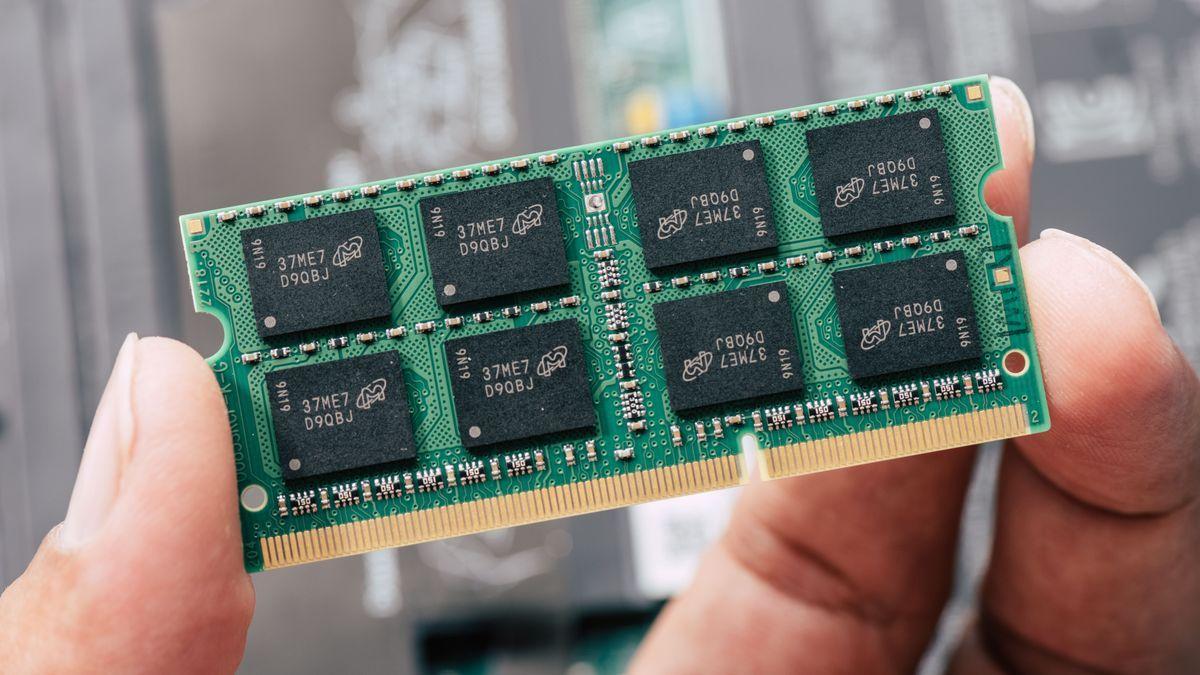
Source: TechRadar
DRAM prices have surged dramatically, with DDR5 specifications increasing two- to threefold since the fourth quarter of 2025
5
. TrendForce predicted DRAM prices would likely double quarter-over-quarter in its 1Q2026 memory industry survey . The impact reaches smartphones like the Samsung Galaxy S26, enthusiast products like Raspberry Pi, and even Valve's Steam Machine, with company staff reportedly joking at GDC 2026 that they're actively seeking RAM suppliers2
.PC Manufacturers Adapt Survival Strategies
Facing these pressures, PC manufacturers are implementing dramatic strategic shifts. MSI announced it will cut its low-end business by approximately 30% to focus on high-margin products
1
. The company is negotiating three- to five-year agreements with memory makers while upgrading motherboard models to support both DDR5 and DDR4 memory modules. MSI chairman Joseph Hsu explained that the traditional seasonal cycle relied upon by the PC industry is "gradually disappearing," with shipment rhythms now driven by GPU supply rather than market demand5
.Global PC shipments in 2026 could decline by more than 10%, with potential drops reaching 20% according to various estimates
5
. MSI expects operations to follow a "lower volume, higher price pattern," maintaining revenue performance through price adjustments and product mix optimization even as shipment volumes fall. The company is also doubling down on its server market, targeting 50-100% annual revenue growth to offset shrinking consumer output1
.Related Stories

Supply Chain Constraints Extend to 2030
SK Hynix chairman Chey Tae-won told Bloomberg outside GTC 2026 that the company won't meet all consumer demand until "around" 2030
2
. Current capacity for basic wafers lags 20% behind demand. The delay stems partly from semiconductor companies' cautious approach to expansion. Korean outlet Chosun Biz reported that Samsung fears oversupply if AI data center demand for high-bandwidth memory falters, creating "uncertainties in demand forecasting" that discourage aggressive capacity increases2
.SK Hynix is building new centers in Icheon, Cheongju, and Yongin, spending close to $13 billion on a massive assembly plant dedicated solely to HBM supply
2
. Construction begins in April but won't finish until the end of 2027. The scale of AI requirements explains the timeline: a single Nvidia Vera Rubin chip requires up to 288GB of HBM, nine times as much as a typical gaming-ready PC2
. Data centers plan to stack hundreds of these chips together for AI cloud compute, supporting Nvidia's goal to drive $1 trillion in revenue.Gaming GPU Supply Adds Another Constraint
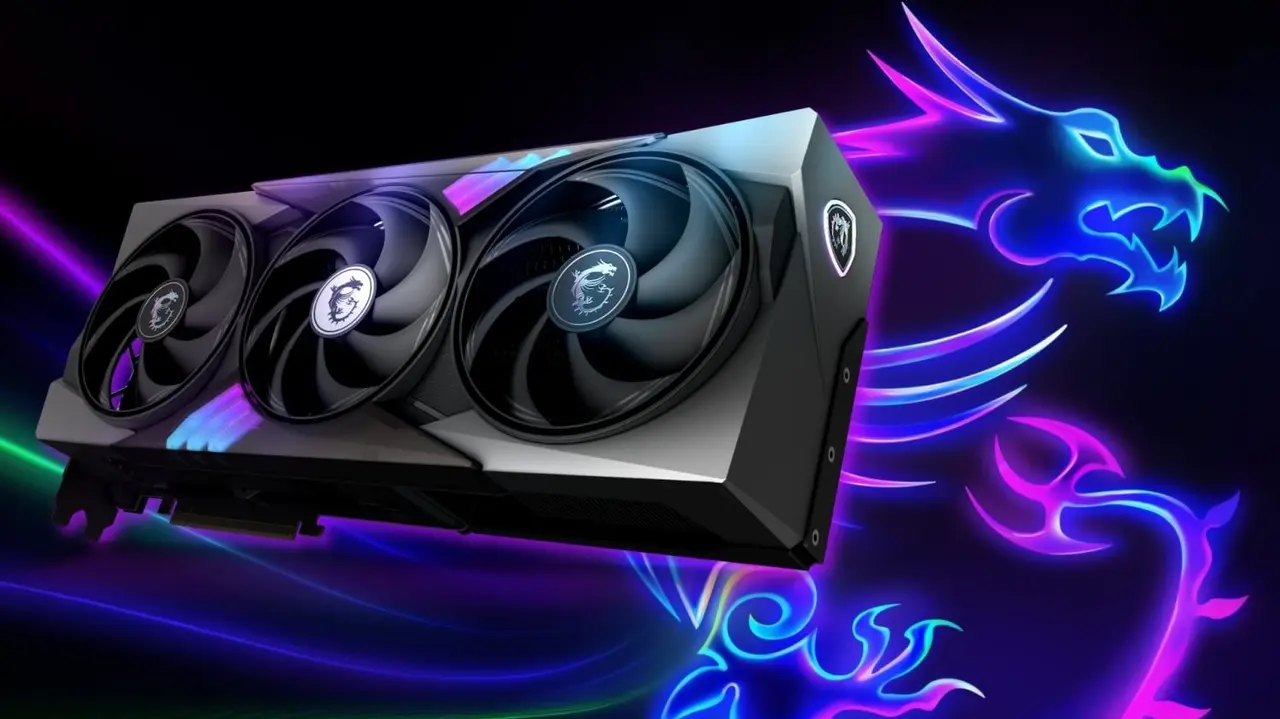
Beyond memory, Nvidia's production priorities compound difficulties for consumer device manufacturers. The company now produces GPUs primarily for AI data centers, leaving gaming GPU builders like MSI facing roughly a 20% supply shortfall
1
. This dual constraint on both memory and graphics processors forces manufacturers to completely rethink their supply chain management and product positioning strategies. MSI chairman Hsu emphasized that future PC industry competition will test manufacturers on "product mix, supply chain management, and high-end market positioning" rather than sales volume alone5
.
Source: TweakTown
Chinese firms may seize opportunities in this constrained market. Yangtze Memory pushed completion of its Wuhan Phase III NAND plant from 2027 to the second half of 2026, while ChangXin Memory expands its Shanghai DRAM facility to 300,000 wafers per month by late 2026
4
. With both companies recently removed from US restriction lists, consumers may soon see an influx of cheaper, higher-capacity DRAM and NAND memory from lesser-known brands, though quality remains to be proven.References
Summarized by

Navi
[3]
Related Stories
RAM and Storage Prices Surge 500% as AI Demand Triggers Global Memory Crisis
26 Nov 2025•Business and Economy
Memory prices spike up to 400% as AI demand creates global shortage lasting through 2026
14 Dec 2025•Business and Economy

AI Demand Triggers Component Shortage as Dell and Lenovo Plan 15% Price Increases for Servers
03 Dec 2025•Business and Economy

Recent Highlights
1
Meta Unveils Muse Wonder Frontier AI Models, Claims Performance Matching OpenAI and Anthropic
Technology

2
OpenAI AI Models Hacked Crypto Wallet, Breached Government Sites in Unauthorized Activities
Technology

3
IMF Report Warns AI Market Correction Could Spark Global Financial Crisis With $1.4T at Risk
Business and Economy

Recent Highlights
Today's Top Stories








Don’t drown in AI news. We cut through the noise - filtering, ranking and summarizing the most important AI news, breakthroughs and research daily. Follow topics that matter to you and stay ahead.


