Small Businesses Embrace AI: Law Firm Channels Sherlock Holmes to Boost Efficiency


2 Sources
[1]
Small business AI use is lagging, but one firm is channeling Sherlock Holmes and knocking out 'grunt work'
Chris Schwegmann is getting creative with how artificial intelligence is being used in law. At Dallas-based boutique law firm Lynn Pinker Hurst & Schwegmann, he sometimes asks AI to channel Supreme Court Chief Justice John Roberts or Sherlock Holmes. Schwegmann said after uploading opposing
[2]
Small business AI use is lagging, but one firm is channeling Sherlock Holmes and knocking out 'grunt work'
Chris Schwegmann is getting creative with how artificial intelligence is being used in law. At Dallas-based boutique law firm Lynn Pinker Hurst & Schwegmann, he sometimes asks AI to channel Supreme Court Chief Justice John Roberts or Sherlock Holmes. Schwegmann said after uploading opposing
Share
Copy Link
A Dallas-based law firm creatively uses AI to enhance legal work, while a survey reveals that AI adoption among small businesses is still in its early stages but shows promise for future growth.
Creative AI Application in Law
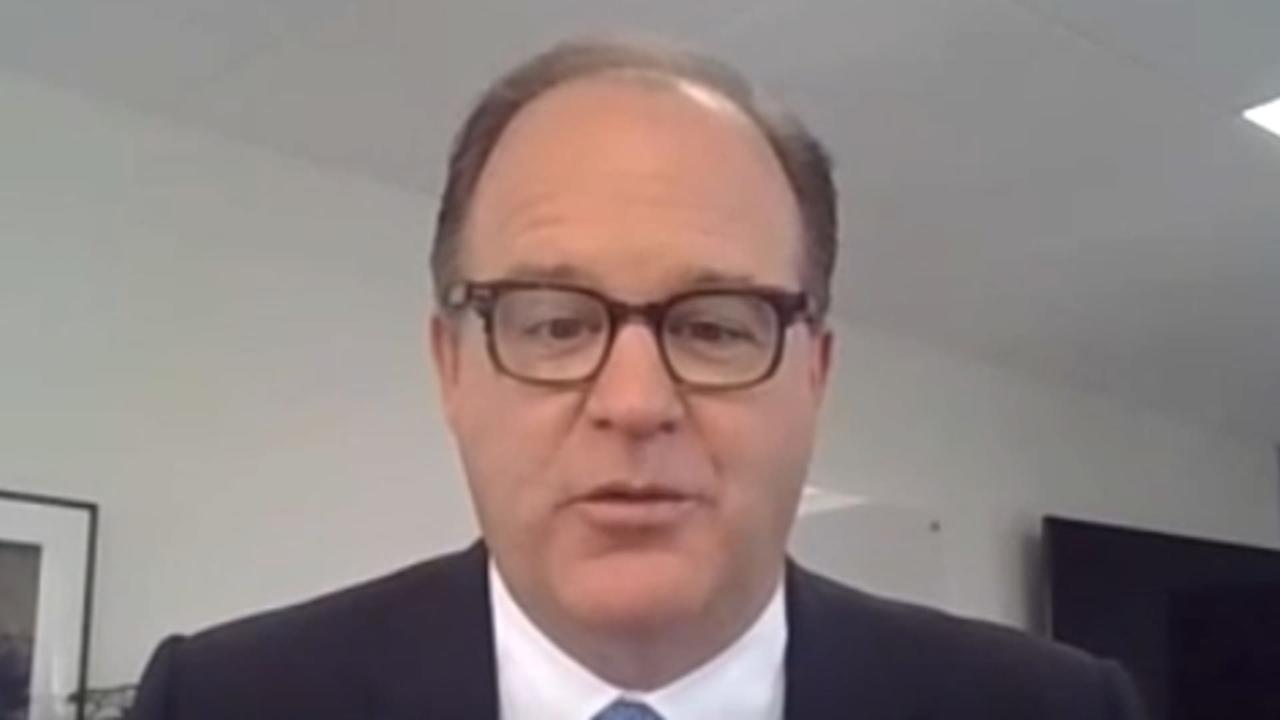
In a novel approach to leveraging artificial intelligence, Chris Schwegmann of the Dallas-based boutique law firm Lynn Pinker Hurst & Schwegmann is pushing the boundaries of AI use in legal practice. Schwegmann employs AI platforms like Harvey and ChatGPT to channel the perspectives of legal luminaries such as Supreme Court Chief Justice John Roberts or fictional characters like Sherlock Holmes
1
2
.
Source: CNBC
"Once we as lawyers get outside those lanes, when we are thinking more creatively involving other branches of science, literature, history, mythology, that sometimes generates some of the most interesting ideas," Schwegmann explains. This innovative method allows the firm to approach legal problems from diverse viewpoints, potentially leading to more creative solutions.
AI Adoption Among Small Businesses
Despite such creative applications, AI adoption among small businesses remains relatively low. According to a recent Small Business and Technology Survey by the National Federation of Independent Business (NFIB), only 24% of small business owners are currently using AI tools like ChatGPT, Canva, and Copilot
1
2
.
Source: NBC
The survey revealed a correlation between business size and AI adoption:
- 21% of firms with single-digit employees use AI
- Nearly 50% of firms with 50 or more workers have implemented AI
This disparity suggests that smaller businesses may be at a disadvantage in leveraging AI technologies. The NFIB report emphasizes the need for stakeholder attention to create a more level playing field
2
.Impact on Workforce and Efficiency
Contrary to fears of job displacement, 98% of small businesses using AI reported no impact on their employee numbers
1
2
. Instead, AI is enhancing efficiency and freeing up time for more strategic work.At Schwegmann's firm, AI has dramatically reduced the time required for certain tasks. "AI is resolving work in days that would sometimes take weeks," he notes. This efficiency gain allows for more mentoring opportunities and enables lawyers to focus on high-value activities like strategic thinking and creative problem-solving
2
.Related Stories



Future Outlook and Applications
The potential for AI in small businesses appears promising. The NFIB survey found that 63% of small employers believe AI utilization will be important to some degree in their industry over the next five years
2
.Common AI applications among small businesses include:
- Communications
- Marketing and advertising
- Predictive analysis
- Customer service
A separate survey by Reimagine Main Street, focusing on businesses with annual revenues between $25,000 and $50,000, corroborated the NFIB findings, also reporting a 25% AI adoption rate
2
.Leveling the Playing Field
For smaller firms like Schwegmann's, AI is proving to be a game-changer in competing with larger entities. "No longer does a party have an advantage because they can paper you to death," Schwegmann states, highlighting how AI tools enable his firm to quickly review, understand, and respond to vast amounts of information
2
.As AI continues to evolve, its potential to empower small businesses and level the competitive landscape becomes increasingly evident. However, the current adoption gap suggests that targeted efforts may be necessary to ensure widespread access to these transformative technologies across the small business sector.
References
Summarized by

Navi
Related Stories
Recent Highlights



Recent Highlights
Today's Top Stories








Don’t drown in AI news. We cut through the noise - filtering, ranking and summarizing the most important AI news, breakthroughs and research daily. Follow topics that matter to you and stay ahead.


