SoftBank's Masayoshi Son predicts fusion power will fuel AI's future as demand soars


3 Sources
[1]
SoftBank's Masayoshi Son slams opponents of AI
Masayoshi Son has ridiculed opponents of AI for "spitting upwards" as the SoftBank billionaire predicted the technology would account for 20 per cent of global output by 2040. Son told a room of executives at his annual SoftBank World event that condemning AI was the modern version of rejecting
[2]
SoftBank's Masayoshi Son sees fusion power as key to AI's future
SoftBank Group founder Masayoshi Son said that in the not-so-distant future, nuclear fusion technology will offer the most realistic solution for powering AI data centers' ballooning needs. Natural gas will provide the bulk of data centers' power needs for the time being, Son said Tuesday. But he
[3]
SoftBank's Masayoshi Son Bets Big on Fusion Power for AI
SoftBank founder Masayoshi Son says nuclear fusion could become the ultimate energy source for artificial intelligence, arguing that future AI data centers will require massive electricity supplies beyond what today's power infrastructure can provide. SoftBank founder Masayoshi Son believes
Share
Copy Link
SoftBank founder Masayoshi Son outlined an ambitious vision for AI at SoftBank World, predicting the technology will account for 20% of global output by 2040. He argued that nuclear fusion will become essential to power the massive data centers needed for AI's growth, estimating 3 terawatts of capacity will be required. Son dismissed AI critics and urged business leaders to embrace the technology or risk missing out on transformative economic opportunities.
SoftBank's Masayoshi Son Champions AI Adoption at Annual Event
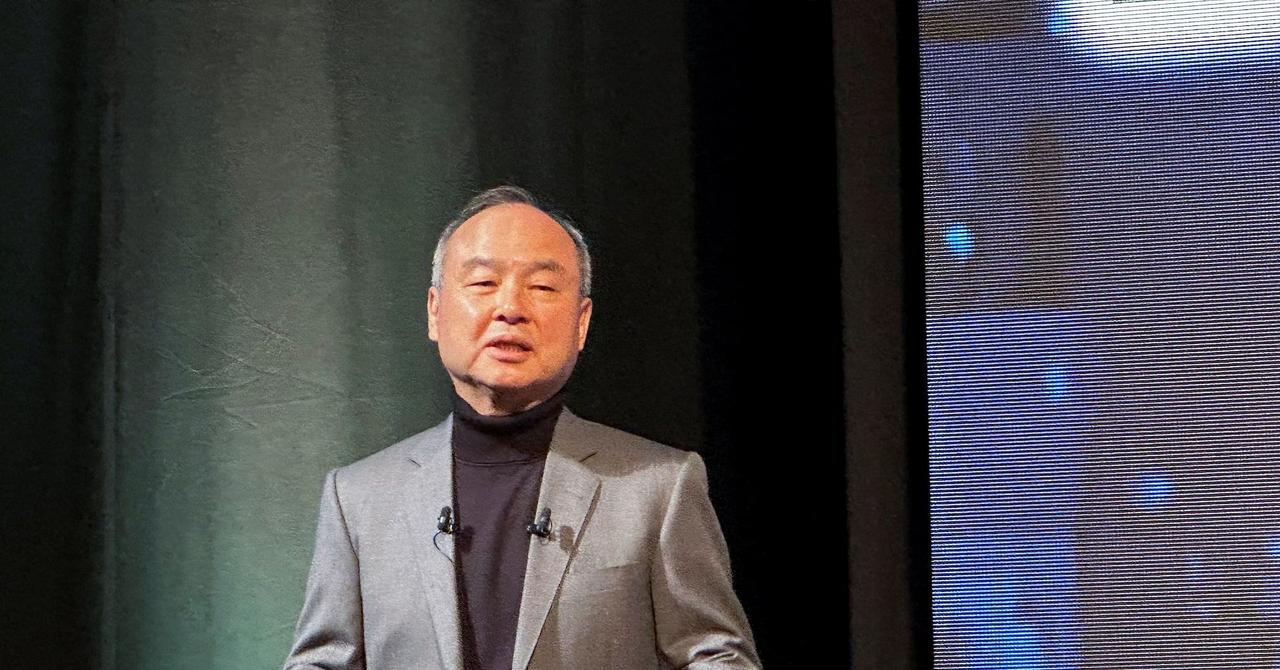
At the annual SoftBank World event in Tokyo, SoftBank's Masayoshi Son delivered a forceful defense of AI while outlining his vision for the technology's transformative impact on the global economy
1
. The 68-year-old billionaire ridiculed opponents of AI, comparing their resistance to rejecting cars and airplanes in previous eras. "Those who dislike AI have essentially refused their own evolution," Son told a room of executives, adding that "those who condemn AI are themselves spitting upwards"1
. His comments reflect a broader push by SoftBank to position itself at the center of the AI revolution through major investments in Arm, OpenAI, and other tech companies.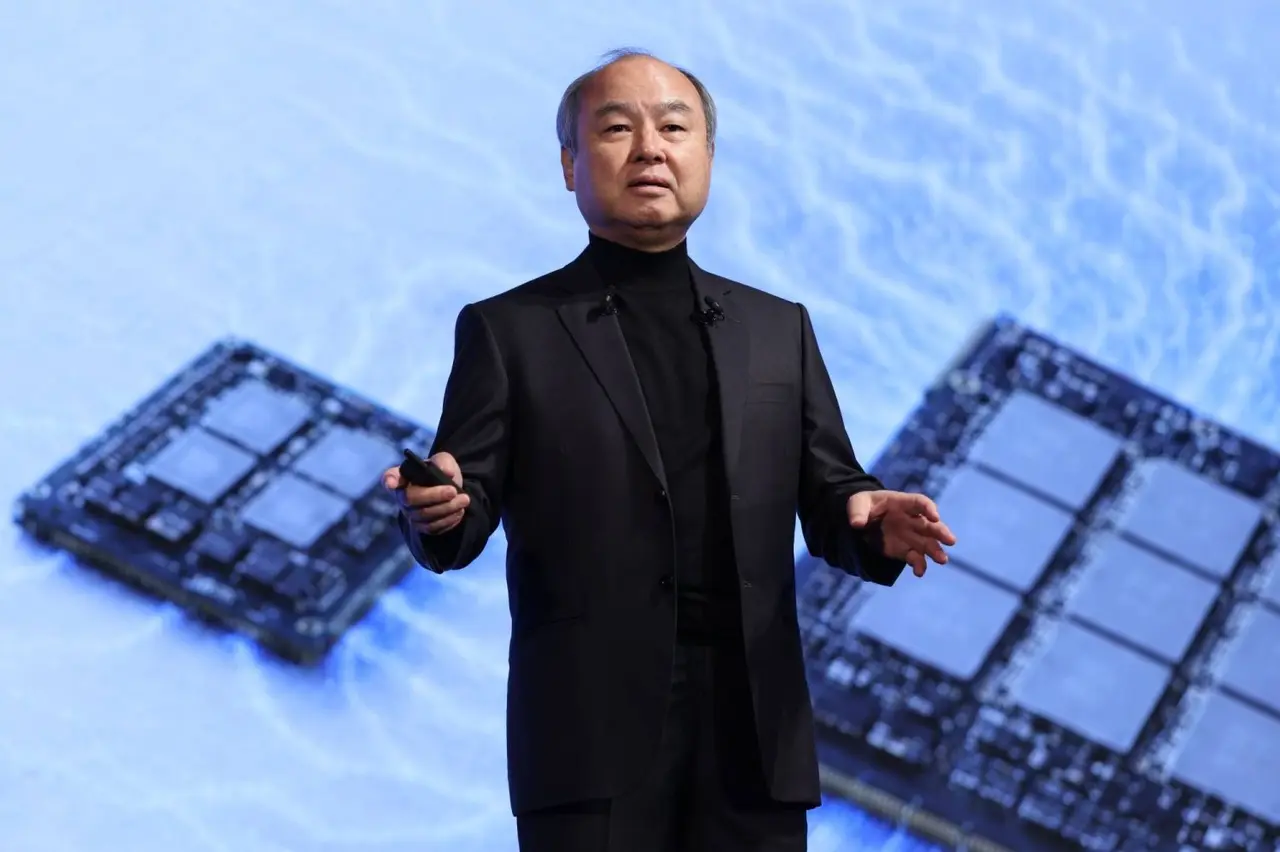
Source: Japan Times
Fusion Power Emerges as Solution for Energy Demands of AI
Masayoshi Son predicted that nuclear fusion will become the primary energy source for AI data centers within 15 years, addressing one of the technology's most pressing challenges
2
. He estimated that 3 terawatts of data center capacity will be needed by 2040 to support trillions of AI agents and billions of humanoid robots1
. This figure represents roughly a third of total installed power capacity globally, according to International Energy Agency estimates. While natural gas will provide the bulk of power needs in the near term, Son argued that fusion power offers a cleaner, safer alternative. "Fusion will become the main source of a new kind of cheaper, clean and safe energy here on Earth," he stated2
. The shift marks a significant evolution in Son's energy stance, particularly given his previous opposition to nuclear power following the 2011 Fukushima disaster.Bold Economic Predictions for AI's Future
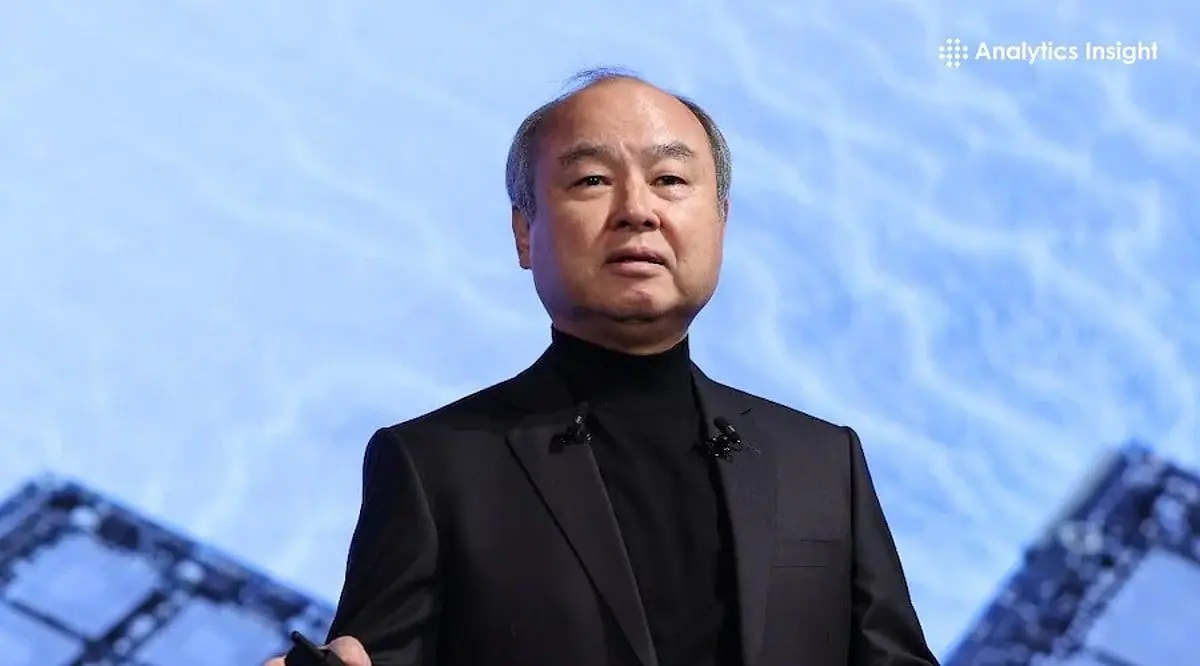
The SoftBank founder expressed bullish views on AI's economic potential, predicting with confidence that the technology would account for $46 trillion of global GDP within 15 years and generate annual profits of half that figure
1
. Son dismissed growing questions about whether the hundreds of billions of dollars spent on AI hardware will deliver returns, calling such concerns "an incredibly foolish question" posed by people who do not thoroughly understand or use AI2
. He warned that if Japan fails to recognize AI's potential, the country's economy will miss out on wealth creation opportunities similar to those that produced tech giants like Google, Amazon, and Meta Platforms2
.
Source: Analytics Insight
Related Stories
Challenges and Market Pressures Facing SoftBank
Despite Son's optimistic outlook, investors are growing wary of SoftBank Group's rising leverage and the possibility of delays to OpenAI's initial public offering
1
. SoftBank's shares have risen 35% so far this year but have come under pressure since peaking in June due to concerns over the timing of OpenAI's blockbuster listing1
. The company has been attempting to build a role across data center infrastructure, AI models, chips, and robots to cement itself at the center of what Son believes will be an evolution to superintelligence. SoftBank's energy arm was selected to deliver a $33 billion gas-fired power plant in Ohio as part of a $550 billion investment framework agreed between Washington and Tokyo1
. However, the viability of fusion technology remains uncertain, with many technological and financial challenges still to overcome before it becomes a practical energy source, according to BloombergNEF2
. As electricity consumption from AI continues to climb, the race to secure sustainable power solutions will shape the trajectory of the industry and determine which companies can capitalize on the economic opportunities ahead.References
Summarized by

Navi
[3]
Related Stories
SoftBank's Masayoshi Son predicts AI will need $5 trillion yearly by 2040, dismisses bubble talk
14 Jul 2026•Business and Economy
SoftBank's Masayoshi Son says AI revolution is 50x bigger than dot-com boom, eyes robotics
02 Jun 2026•Business and Economy

SoftBank's Masayoshi Son Aims to Dominate 'Artificial Super Intelligence' with Massive OpenAI Investment
27 Jun 2025•Technology
Recent Highlights



Recent Highlights
Today's Top Stories








Don’t drown in AI news. We cut through the noise - filtering, ranking and summarizing the most important AI news, breakthroughs and research daily. Follow topics that matter to you and stay ahead.


