SoftBank raises $11 billion through junk bond sale to double down on aggressive AI investments


4 Sources
[1]
SoftBank junk bond sale raises stakes for CEO Son's all-in AI bet
TOKYO, Oct 14 (Reuters) - SoftBank's (9984.T), opens new tab promise to pay its highest-ever yields in a record $11 billion junk-bond offering highlights the pressure on CEO Masayoshi Son to secure returns on his all-in bet on AI amid concerns about possible overheating in the market. The SoftBank
[2]
SoftBank junk bond sale: SoftBank junk bond sale raises stakes for CEO Son's all-in AI bet
SoftBank's promise to pay its highest-ever yields in a record $11 billion junk-bond offering highlights the pressure on CEO Masayoshi Son to secure returns on his all-in bet on AI amid concerns about possible overheating in the market. The SoftBank debt issuance last month added to a sharp surge
[3]
SoftBank junk bond sale raises stakes for CEO Son's all-in AI bet
SoftBank's promise to pay its highest-ever yields in a record $11 billion junk-bond offering highlights the pressure on CEO Masayoshi Son to secure returns on his all-in bet on artificial intelligence amid concerns about possible overheating in the market. The SoftBank debt issuance last month
[4]
SoftBank junk bond sale raises stakes for CEO Son's all-in AI bet
TOKYO, Oct 14 (Reuters) - SoftBank's promise to pay its highest-ever yields in a record $11 billion junk-bond offering highlights the pressure on CEO Masayoshi Son to secure returns on his all-in bet on AI amid concerns about possible overheating in the market. The SoftBank debt issuance last
Share
Copy Link
SoftBank issued a record $11 billion junk bond offering at its highest-ever yield of 9.75% to fund AI investments, including $64.6 billion backing for OpenAI. CEO Masayoshi Son's concentrated bet on artificial intelligence faces growing scrutiny as analysts question portfolio concentration and whether returns will materialize fast enough to justify the high-risk approach.
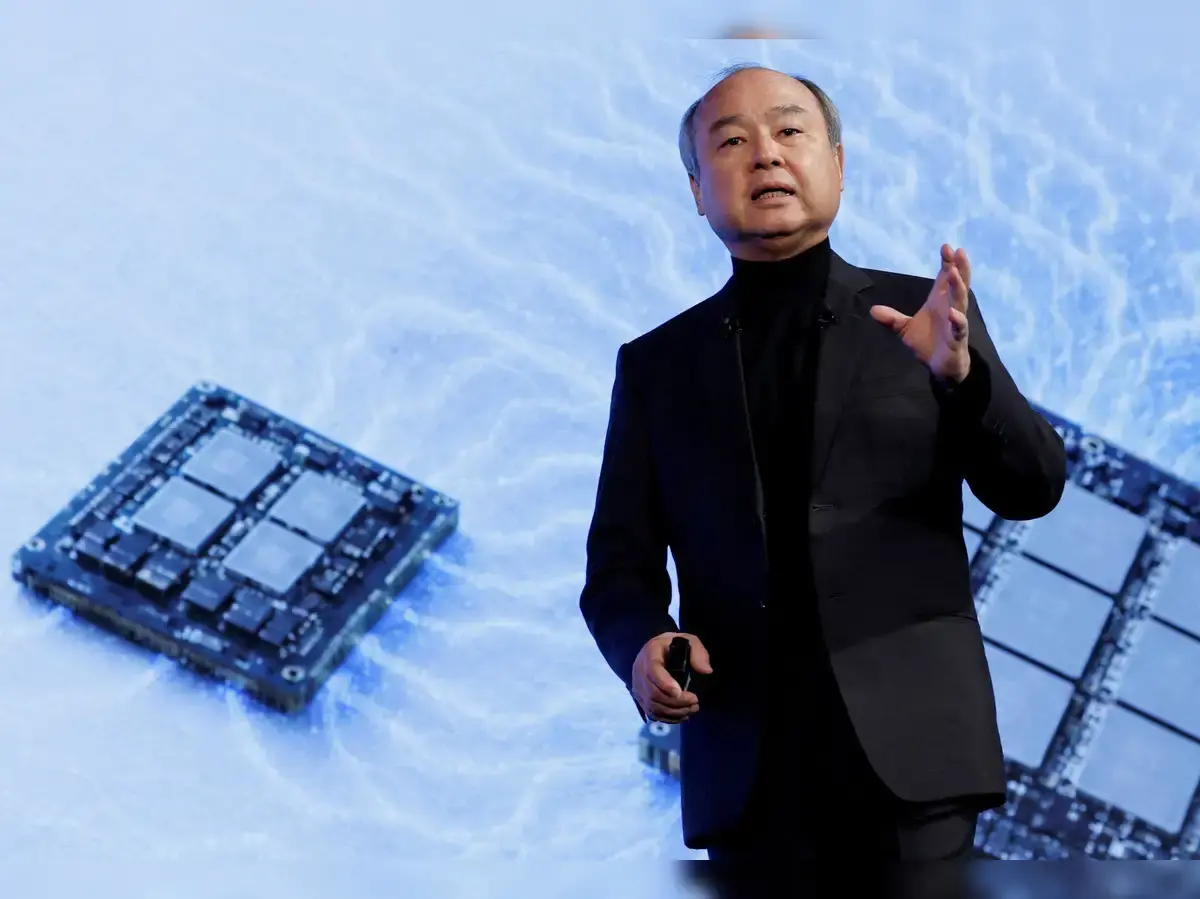
SoftBank's Record Junk Bond Sale Signals High-Stakes AI Gamble
SoftBank has completed a record $11 billion junk bond sale at its highest-ever yields, intensifying pressure on CEO Masayoshi Son to deliver returns on his all-in AI bet amid concerns about potential market overheating
1
. The debt issuance last month contributed to a sharp surge in corporate borrowing this year, joining major bond sales from Amazon, Alphabet, and Tencent2
. The scale of Masayoshi Son's investments, particularly his $64.6 billion backing for ChatGPT maker OpenAI, has positioned the technology-and-investing conglomerate as a bellwether for AI sentiment3
.Aggressive AI Investments Drive Unprecedented Borrowing Strategy
SoftBank will pay its highest-ever coupon of 9.75% on a bond maturing in 2034, a stark contrast to Alphabet's 5.2% yield on a bond issued in August that matures in 2033
1
. This aggressive AI investment strategy marks a shift from SoftBank's previous approach of selling shares in Nvidia and T-Mobile US to fund operations. Alex Clavel, CEO of SoftBank Investment Advisers, which manages the Vision Funds, explained the rationale: "We've borrowed money in large part because we don't want to sell assets that we believe will keep rising in value"4
. Clavel defended the high yields, stating that "given OpenAI's appreciation to date, 9.75% is still very reasonable"2
.Portfolio Concentration Raises Investor Concerns
The SoftBank junk bond sale and Masayoshi Son's all-in AI bet are now facing sharper scrutiny from analysts and investors worried about portfolio concentration and whether payoffs from AI company expenditures will materialize quickly enough
1
. SoftBank's shares surged to a record high of 8,632 yen in June but have since fallen 38%, while credit default swap spreads jumped 24% over the same period2
. MST Financial analyst David Gibson characterized the shift in SoftBank's AI strategy bluntly: "SoftBank was previously betting on a bunch of numbers at the roulette table. Now it's red or black, either lose everything or gain everything"4
.OpenAI Emerges as Core of High-Stakes Bet on AI
Sam Altman's OpenAI represents the centerpiece of the latest iteration of Son's AI-focused investment approach, following lucrative bets on Chinese tech giant Alibaba and chip designer Arm
1
. Arm's valuation has grown fivefold since it floated in 2023, and further listings from SoftBank's private AI portfolio could clarify asset values and enable easier monetization for additional investment activity2
. However, Altman has stated OpenAI will not go public this year, citing safety concerns, while the company faces competition from rival Anthropic, hyperscalers, and low-cost Chinese labs4
. Clavel emphasized the strategic nature of the relationship: "We see OpenAI as a partner, building a relationship that can deliver strategic value as well as financial returns"1
.Market Skepticism Mounts Over High-Risk High-Reward Approach
SoftBank's higher yields reflect investor perceptions of risk and concentration in large positions, according to analysts
2
. Amir Anvarzadeh of Asymmetric Advisors, who recommends shorting the stock, noted: "The bets are much bigger than we've ever seen"1
. James Athey, a fixed-income portfolio manager at Marlborough, stated his fund was not allocating to high-yield bonds at this stage of the credit cycle, adding: "SoftBank is so aggressive, so concentrated and so all-in, I don't think we'd be looking there first anyway"4
. OpenAI is also an investor in and customer of data centre company SB Energy, which SoftBank is looking to list and may seek a valuation of $50 billion2
.Related Stories

Mixed Track Record Complicates Assessment of AI Investment
Masayoshi Son's investment history presents a complex picture for evaluating his current AI investment strategy. While his bet on Alibaba proved enormously successful, Son also directed $16 billion to Adam Neumann's WeWork, which ultimately went bankrupt
1
. Other setbacks included a crash in the value of investments as central banks moved to hike rates in 20222
. Clavel countered concerns by noting: "OpenAI's value appreciation to date far exceeds the losses in our 2021 vintage investments"4
. Over the decades, Son has navigated market peaks and troughs to build SoftBank into a 30 trillion yen ($189.9 billion) company1
.Future Hinges on Workplace Transformation Through AI
The success of SoftBank's high-stakes bet on AI ultimately depends on whether artificial intelligence delivers the promised workplace transformation. Morningstar senior equity analyst Dan Baker explained: "Being priced in is a massive transformation of the workplace with AI effectively taking over a big chunk of what gets done with human brains now. If that goes ahead it's hard to see their investments not being very successful"
2
. MST's Gibson suggested SoftBank is capitalizing on market overheating: "SoftBank is taking advantage of hyper-excitement around AI-driven businesses, applying very high valuations for relatively low revenues, and they are looking to capitalize"1
. Investors will be watching whether OpenAI and SoftBank's other AI investments can generate returns sufficient to justify the company's aggressive borrowing strategy and concentrated portfolio approach.References
Summarized by

Navi
[4]
Related Stories
SoftBank Closes Record $11.1 Billion Bond Issuance to Complete $30 Billion OpenAI Investment
18 Sept 2026•Business and Economy

SoftBank Seeks Another $10 Billion Loan Against OpenAI Stake Just Weeks After First Deal
24 Aug 2026•Business and Economy
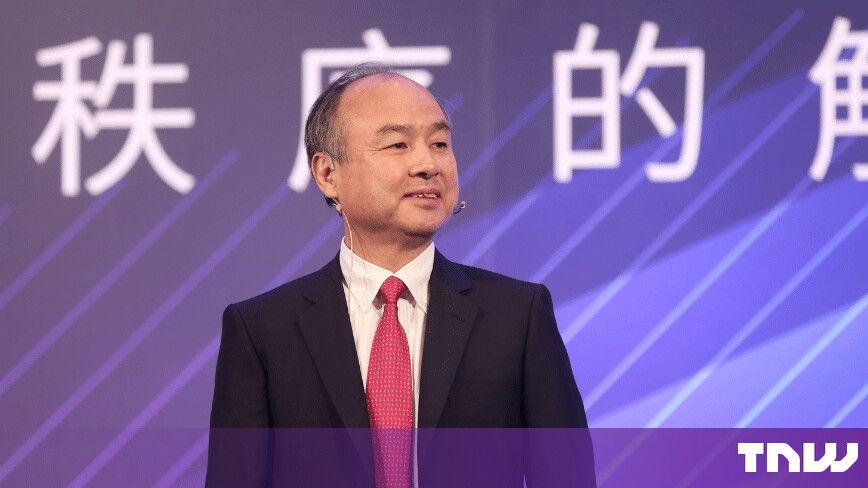
Masayoshi Son calls AI bubble talk 'blasphemy' as SoftBank targets $6.2 trillion valuation
24 Jun 2026•Business and Economy
Recent Highlights
1
Meta Unveils Muse Wonder Frontier AI Models, Claims Performance Matching OpenAI and Anthropic
Technology
2
OpenAI AI Models Hacked Crypto Wallet, Breached Government Sites in Unauthorized Activities
Technology

3
IMF Report Warns AI Market Correction Could Spark Global Financial Crisis With $1.4T at Risk
Business and Economy
Recent Highlights
Today's Top Stories





Don’t drown in AI news. We cut through the noise - filtering, ranking and summarizing the most important AI news, breakthroughs and research daily. Follow topics that matter to you and stay ahead.


