South Korea Approves Construction of Two New Nuclear Reactors


3 Sources
[1]
South Korea approves building two nuclear reactors
SEOUL (AFP) - South Korea approved the construction of two nuclear reactors on its east coast yesterday, reversing a previous administration's anti-nuclear policy as Seoul now works to expand its atomic energy capabilities. The Nuclear Safety and Security Commission approved permits to build the
[2]
South Korea approves building two nuclear reactors
South Korea approved the construction of two nuclear reactors on its east coast Thursday, reversing a previous administration's anti-nuclear policy as Seoul now works to expand its atomic energy capabilities. The Nuclear Safety and Security Commission approved permits to build the Shin Hanul 3 and
[3]
South Korea Revives Plans to Build Two Nuclear Reactors
South Korea approved the construction of two nuclear reactors on the nation's east coast, reviving a project that was scrapped by the former administration, which had pursued an anti-nuclear policy. The Nuclear Safety and Security Commission greenlighted the building of Shin Hanul No. 3 and 4
Share
Copy Link
South Korea's government has given the green light for the construction of two new nuclear reactors, marking a significant shift in the country's energy policy. This decision aligns with President Yoon Suk Yeol's commitment to expanding nuclear power as a key component of South Korea's energy mix.

South Korea's Nuclear Expansion Plan
South Korea has taken a decisive step in its energy policy by approving the construction of two new nuclear reactors. The decision, made by the government on Wednesday, marks a significant shift from the previous administration's nuclear phase-out plan
1
. This move aligns with President Yoon Suk Yeol's commitment to expanding nuclear power as a crucial component of the country's energy mix.Details of the New Reactors
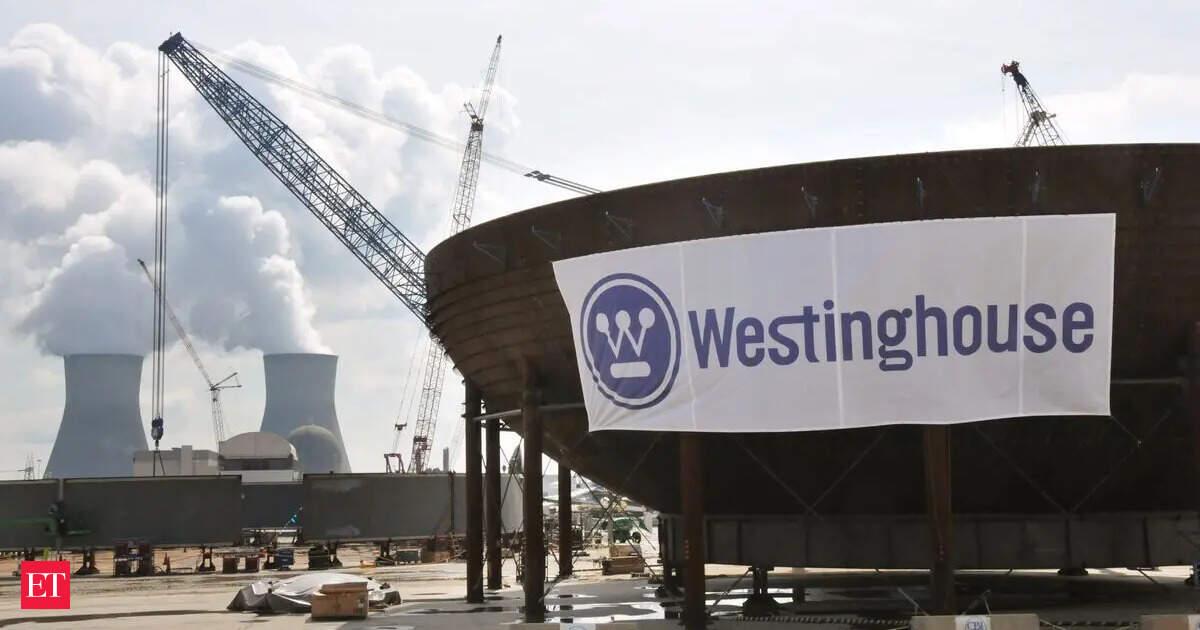
The two approved reactors, Shin-Hanul No. 3 and No. 4, will be built in Uljin, about 330 kilometers southeast of Seoul
2
. These reactors are expected to have a combined capacity of 2,800 megawatts and will be operational by 2032 and 2033, respectively. The total cost of the project is estimated at 12.7 trillion won ($9.5 billion)1
.Shift in Energy Policy
This decision represents a significant reversal from the previous administration's policy. Former President Moon Jae-in had pledged to phase out nuclear power, citing safety concerns in the wake of Japan's 2011 Fukushima disaster
3
. However, President Yoon Suk Yeol, who took office in May 2022, has been advocating for nuclear power as a key solution to the country's energy needs.Rationale Behind the Decision
The South Korean government justifies this move based on several factors:
-
Energy Security: Nuclear power is seen as a stable and reliable source of electricity, crucial for the country's energy independence
2
. -
Economic Benefits: The construction and operation of these reactors are expected to create jobs and stimulate the local economy
1
. -
Climate Goals: Nuclear energy is considered a low-carbon option, aligning with South Korea's commitment to reducing greenhouse gas emissions
3
.
Related Stories

Current Nuclear Capacity and Future Plans
South Korea currently operates 25 nuclear reactors, which generate about 30% of its electricity
2
. The government aims to increase nuclear power's share in the country's energy mix to 34.6% by 2036. This plan includes extending the lifespan of existing reactors and potentially building more new ones3
.Public Opinion and Safety Concerns
While the government pushes forward with nuclear expansion, public opinion remains divided. Some citizens express concerns about safety, particularly in light of past incidents and the proximity of nuclear plants to populated areas. However, proponents argue that nuclear power is necessary for stable energy supply and achieving carbon neutrality goals
2
.References
Summarized by

Navi
[1]
Related Stories
South Korea Faces 25-30 GW Power Demand Surge as AI Boom Drives Nuclear Energy Expansion Plans
08 Sept 2026•Policy and Regulation

New York Plans First Major US Nuclear Power Plant in Over 15 Years, Driven by AI Energy Demands
24 Jun 2025•Technology

Trump Administration Strikes $80 Billion Nuclear Deal to Power AI Data Centers
29 Oct 2025•Business and Economy
Recent Highlights



Recent Highlights
Today's Top Stories








Don’t drown in AI news. We cut through the noise - filtering, ranking and summarizing the most important AI news, breakthroughs and research daily. Follow topics that matter to you and stay ahead.


