South Korea Creates $72 Billion Future Fund to Drive AI Investment and Support Youth Amid Chip Boom


4 Sources
[1]
South Korea plans chip windfall fund to back youth, AI investment
SEOUL, Aug 21 (Reuters) - South Korea plans to create a new fund to channel tax windfalls from the country's semiconductor boom into supporting younger generations and invest in future growth industries such as artificial intelligence, the budget ministry said on Friday. The proposed "Future
[2]
South Korea chip fund: South Korea plans chip windfall fund to back youth, AI investment
The proposed "Future Response Fund" would finance programmes aimed at helping young people find jobs, buy homes and start families, while also supporting investments in AI, regional development and talent development, according to a ministry press release. South Korea plans to create a new fund
[3]
AI, new growth engines, youth welfare, regions to receive big boost - The Korea Times
The youth package includes credit-bearing university internship semesters and a youth development fund that would provide up to 1.2 million won per child annually through age 18. The government plans to channel fiscal resources into artificial intelligence (AI), future industries, youth support
[4]
Korea to launch 'future fund' with 'windfall revenue' amid chip boom - The Korea Times
The proposed education reform would replace the current system that automatically allocates 20.79 percent of internal tax revenue plus part of education tax revenue to grants for local education offices, while keeping total grants at least at the previous year's level. Korea will launch the
Share
Copy Link
South Korea unveiled its Future Fund initiative to channel tax windfalls from the semiconductor boom into AI investment and youth support. The fund could exceed 100 trillion won ($72.28 billion) and will finance programs for employment, housing, and strategic technologies including physical AI and data centers.
South Korea Launches Future Fund to Channel Semiconductor Windfall into AI Investment
South Korea has announced plans to establish a Future Fund designed to harness excess tax revenue from the semiconductor boom and redirect it toward AI investment, youth support, and future growth industries
1
4
. The Ministry of Planning and Budget introduced the concept of "windfall revenue" to describe tax receipts exceeding long-term trends due to structural economic changes, distinguishing it from surplus revenue caused by short-term fluctuations4
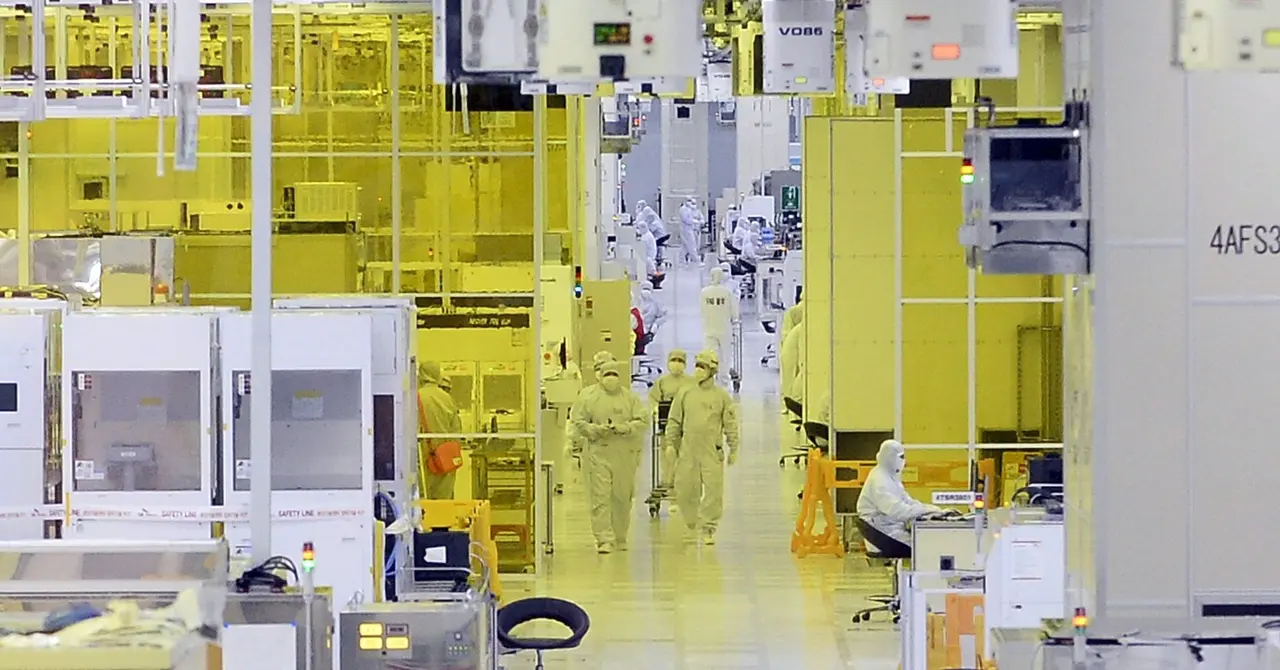
. This strategic move comes as South Korean chipmakers Samsung Electronics and SK Hynix have experienced soaring earnings driven by insatiable demand for chips in the AI era1
.Fund Size and Financing Mechanism Target Long-Term Economic Growth
While the government has not provided an official estimate, South Korean media projects the chip windfall fund could exceed 100 trillion won ($72.28 billion) based on government projections for next year's tax revenue
1
2
. The fund will be financed primarily by excess tax revenue exceeding a benchmark based on the average growth in domestic tax receipts over the past decade1
. Next year's budget is expected to surpass 800 trillion won for the first time, representing more than a 10 percent increase from this year's 729.9 trillion won ($527 billion)3
. The Future Response Fund will accumulate excess tax revenue during strong economic years, creating a buffer that can be deployed during periods of weaker revenue1
.Youth Support Programs Address Employment and Housing Challenges
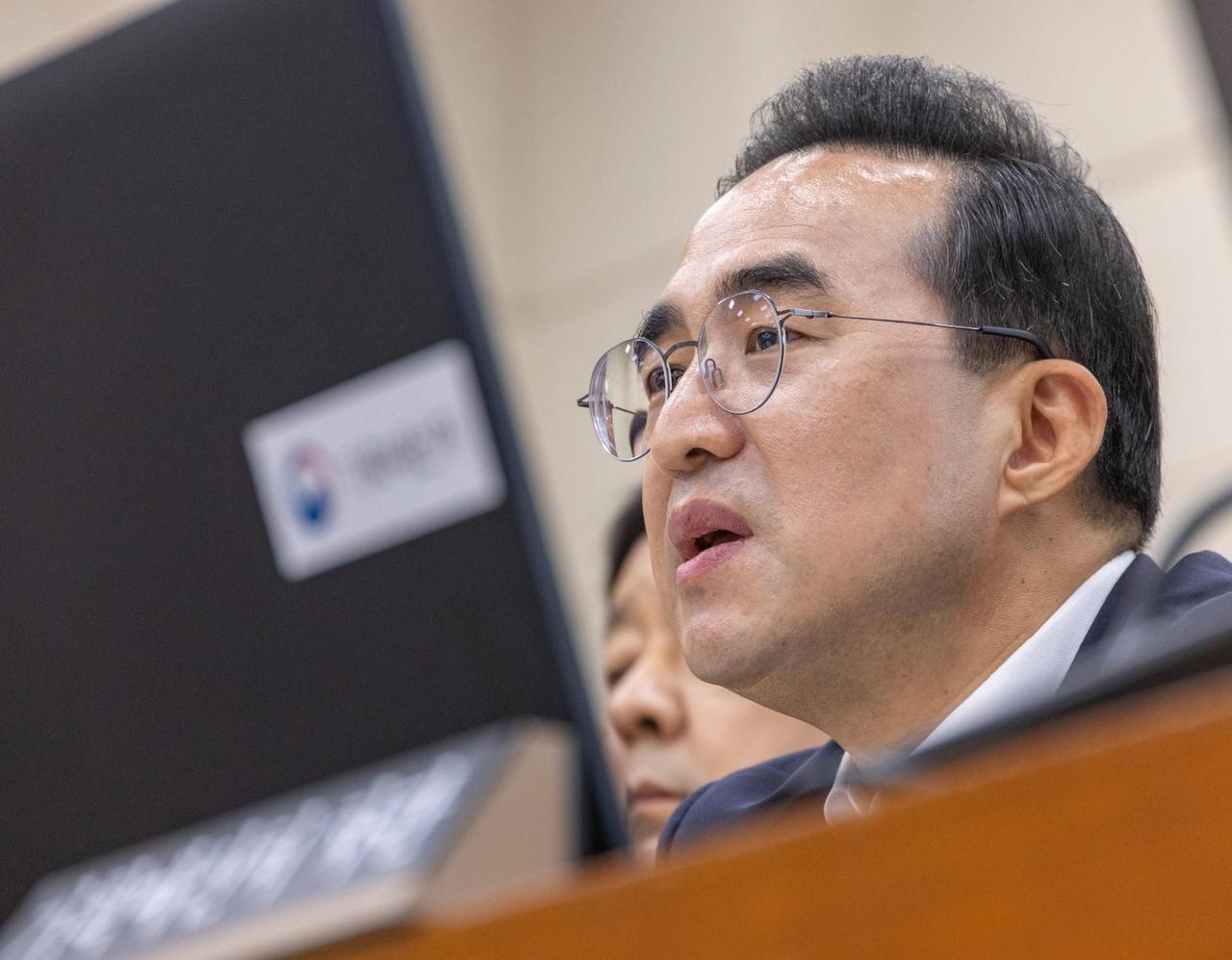
The Future Fund will finance comprehensive youth support programs covering employment, housing, asset building, marriage, and childbirth
1
2
. Specific initiatives include credit-bearing university internship semesters and a youth development fund providing up to 1.2 million won per child annually through age 183
. These measures respond to pressing demographic and economic challenges, as South Korea grapples with low birth rates, housing affordability concerns, and labor market difficulties1
. Government data revealed youth unemployment rose to 6.8% in July, while President Lee Jae Myung has warned that AI proliferation could further cloud job prospects for younger workers1
2
.
Source: Korea Times
Related Stories
AI Industry Development and Strategic Technology Investments Take Center Stage
Investment in future growth industries will concentrate on AI and strategic technologies as part of the government's three megaprojects initiative
3
4
. The three megaprojects focus on semiconductors, physical AI, and AI data centers, with plans to establish a special semiconductor account and inject state capital into Korea Electric Power Corp. and Korea Water Resources Corp. to strengthen infrastructure3
. Beyond AI, the fund will support seven future-oriented sectors including small modular reactors, nuclear fusion, renewable energy, quantum technology, aerospace, advanced biology, and supply chains for advanced materials and components4
. The government will also provide record-high subsidies for electric vehicle purchases and establish autonomous-driving test zones3
.Regional Development and Education Reform Complete the Strategic Framework
The Future Fund will extend support to regional development through special growth engine subsidies for facility investments by key companies relocating outside the Seoul metropolitan area
3
. The government plans to fully cover tuition at regional national universities and establish a dedicated regional healthcare account3
. Alongside the fund, South Korea will overhaul its education funding mechanism to better reflect the country's dwindling student population while bolstering higher education and talent development1
4
. The current system automatically allocates 20.79 percent of internal tax revenue to local education offices, but the number of people aged three to 17 has fallen from 8.8 million in 2010 to 5.91 million in 20254
. The government plans to submit related legislation to the National Assembly alongside its 2027 budget proposal next month1
2
.References
Summarized by

Navi
[3]
Related Stories
South Korea Proposes Record $597 Billion 2027 Budget to Supercharge AI Investment
01 Sept 2026•Policy and Regulation

South Korea Unveils Ambitious Budget Plan to Boost AI-Led Economic Growth
30 Aug 2025•Business and Economy
South Korea Prioritizes AI Investment to Boost Economic Growth Amid Challenges
22 Aug 2025•Technology

Recent Highlights



Recent Highlights
Today's Top Stories






Don’t drown in AI news. We cut through the noise - filtering, ranking and summarizing the most important AI news, breakthroughs and research daily. Follow topics that matter to you and stay ahead.


