South Korea's Financial Industry Faces Fresh Wave of AI-Assisted Cyberattacks


2 Sources
[1]
South Korea's financial industry hit by fresh wave of cyberattacks
South Korea's financial institutions have been hit by another wave of cyberattacks, highlighting the growing risk of AI-driven hacking in Asia. The latest incidents affect brokerages Daishin Securities and Mirae Asset Global Investments, as well as the crypto exchange Bithumb. The incident comes
[2]
[COVER STORY] Bithumb, Mirae Asset, Daishin join growing list of cyberattack victims - The Korea Times
Suspected AI-assisted attacks spread across financial sector, affecting at least 20 companies Brokerage Daishin Securities, cryptocurrency exchange Bithumb and asset manager Mirae Asset Global Investments have become the latest victims of cyberattacks sweeping the country's financial sector,
Share
Copy Link
South Korea's financial sector is reeling from another round of cyberattacks, with Daishin Securities, Bithumb, and Mirae Asset Global Investments falling victim to suspected AI-assisted attacks. The breaches have exposed personal data of 38,490 customers at Daishin alone, while authorities detected over 4.4 million scanning attempts from North Korean IP addresses, raising urgent questions about the industry's cybersecurity readiness.
Second Major Attack Wave Strikes South Korea's Financial Sector
South Korea's financial industry is grappling with a fresh wave of cyberattacks that has compromised multiple institutions, including brokerages, crypto exchanges, and asset managers
1
. The latest incidents affect Daishin Securities, which reported a data breach exposing personal information of 38,490 customers, along with the crypto exchange Bithumb and asset manager Mirae Asset Global Investments2
. These South Korea cyberattacks come roughly a month after similar breaches targeted the country's banking systems, with at least 20 companies now confirmed as victims in what appears to be a coordinated campaign against the financial industry2
.AI-Assisted Attacks and the Artex Connection
Security researchers have linked the September wave of attacks to suspected AI-assisted attacks using an AI penetration testing tool called Artex, though officials continue investigating the root cause of the latest breaches
1
. The Financial Supervisory Service Governor Lee Chan-jin warned that "as AI is used as a hacking tool, security vulnerabilities will become easier to identify and simultaneous attacks will become routine"2
. This represents a significant escalation in cyber threats facing the region, as AI-powered tools enable attackers to automate vulnerability discovery and coordinate attacks across multiple targets simultaneously.Extent of the Daishin Securities Data Breach
Daishin Securities first detected suspicious access to a server supporting online securities account openings on October 17 and immediately blocked the attacker's IP addresses
2
. A subsequent review of more than 60,000 signals disguised as legitimate service requests confirmed personal data compromise affecting customer names, email addresses, home addresses, login IDs, bank names, deposit and withdrawal account numbers, Daishin account numbers, and mobile phone numbers2
. While account numbers and mobile phone numbers were encrypted, the brokerages has committed to notifying affected customers and compensating any losses as required by law1
.Bithumb Cyberattack Targets Employee Data
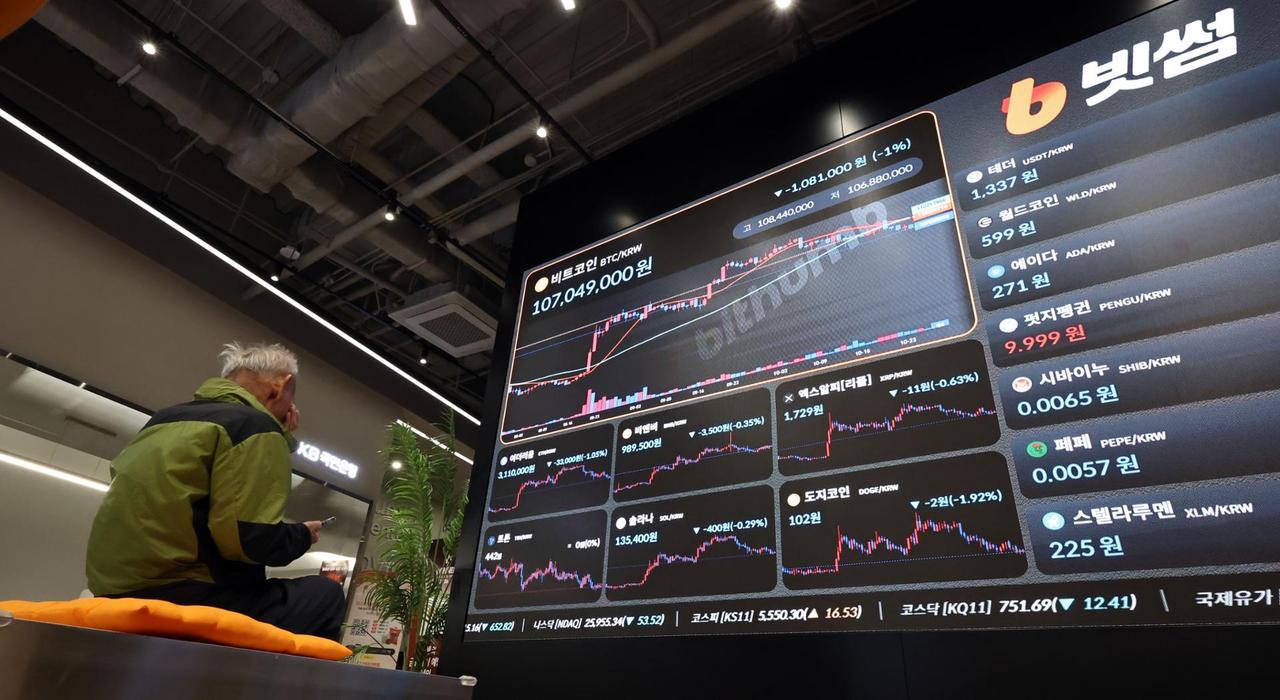
Source: Korea Times
The Bithumb cyberattack revealed unauthorized access to the crypto exchange's internal mobile groupware system, with the company discovering the breach on Tuesday
2
. While employee information has been confirmed as compromised, Bithumb is still investigating whether customer data was also exposed2
. The crypto exchange has not yet confirmed the full extent of data theft, leaving customers in uncertainty about their information security.Mirae Asset Global Investments Responds to Suspicious Activity
Mirae Asset Global Investments detected suspicious activity from external IP addresses on some web systems and activated emergency response procedures, blocking access routes
2
. The asset manager reported that no unique identification data, sensitive information, or personal credit information had been compromised, and emphasized that the affected systems do not serve individual customers2
. This incident followed a breach at Mirae Asset Life Insurance, marking the first insurer confirmed affected in the recent attack wave.Related Stories

North Korean IP Addresses Detected in Mass Scanning Campaign
Regulators detected over 4.4 million scanning attempts starting at 3 a.m. on October 21, with most identified IP address ranges classified as North Korean IP addresses
2
. However, an official at the Financial Security Institute cautioned that "IP addresses alone cannot establish an attacker's nationality or affiliation because address information can be manipulated and traffic routed through other locations"2
. Vulnerability scanning checks systems for open network ports and weaknesses that could allow unauthorized access, and while it can precede an intrusion, it does not necessarily mean a system has been breached.Regulators Push for Stronger Cybersecurity Measures
South Korea's financial regulator has demanded stronger cybersecurity measures following the string of attacks on financial firms and government agencies
1
. The country plans to conduct security checks on dozens of IT systems in the private sector to identify vulnerabilities before attackers can exploit them1
. FSS Governor Lee emphasized at a meeting with board chairs of eight banking groups that "boards should take the lead in strengthening IT security capabilities, recognizing that IT security is a core responsibility for protecting customers' assets and information and maintaining trust in the financial system"2
.Regional Implications and Future Outlook

Source: TechCrunch
The wave of cyberattacks extends beyond South Korea, with Japan reporting a cybersecurity incident involving GMO Internet following attacks on its financial institutions
1
. These incidents underscore growing cybersecurity challenges across Asia, often resulting from years of weak cybersecurity infrastructure, though investigators have not established connections between the separate incidents1
. As AI-powered hacking tools become more sophisticated and accessible, financial institutions across the region face mounting pressure to modernize their defenses and implement real-time threat detection systems. The suspected China-based hacker's use of Artex in September attacks signals a troubling trend where AI penetration testing tools designed for security purposes are being weaponized for malicious intrusions. Watch for increased regulatory scrutiny, mandatory security audits, and potential international cooperation agreements as governments respond to this escalating threat landscape.References
Summarized by

Navi
Related Stories
AI Cyberattacks Expose 100,000 Records at 16 South Korea Financial Firms as AI Lowers Bar for Hacking
09 Oct 2026•Technology

AI Cyberattacks Strike South Korean Banks as ARTEX Tool Exposes 25,000 Customer Records
02 Oct 2026•Technology

North Korea-Linked UNC1069 Uses AI-Powered Attacks to Target Cryptocurrency Organizations
10 Feb 2026•Technology

Recent Highlights
1
OpenAI's AI Models Disprove 27-Year Exponential Time Hypothesis, Rendering Decades of Research Obsolete
Science and Research
2
Google DeepMind unveils Genie 4 world model with audio and 2-minute interactive simulations
Technology

3
Microsoft AI Diagnostic Tool Beats Doctors With 83% Accuracy on Complex Medical Cases
Health

Recent Highlights
Today's Top Stories







Don’t drown in AI news. We cut through the noise - filtering, ranking and summarizing the most important AI news, breakthroughs and research daily. Follow topics that matter to you and stay ahead.


