SpaceX in talks to supply Pentagon with billions in AI computing power, challenging cloud giants


5 Sources
[1]
Musk's SpaceX in talks to provide computing power to the Pentagon, WSJ reports
July 17 (Reuters) - Elon Musk's SpaceX (SPCX.O), opens new tab is in talks to provide the U.S. Department of Defense with access to data center capacity worth billions of dollars to run AI models, the Wall Street Journal reported on Friday, citing people familiar with the matter. According to the
[2]
SpaceX Eager to Support the Pentagon's Lethal AI Models
Can't-miss innovations from the bleeding edge of science and tech After years of being engaged, it looks like SpaceX and the Pentagon are finally ready to send out save-the-dates. On Friday, the Wall Street Journal reported that Elon Musk's formerly-just-rockets company is now in talks with the
[3]
Elon Musk's SpaceX in talks to supply the Pentagon with computing power: Report
According to the report, SpaceX employees have discussed plans to compete more directly with neocloud firms such as CoreWeave by selling computing capacity to AI customers at lower prices. Elon Musk's SpaceX is in talks to provide the U.S. Department of Defense with access to data center capacity
[4]
SpaceX AI Pentagon Deal Could Challenge Microsoft, Amazon - SpaceX (NASDAQ:SPCX)
SpaceX Wants To Power Pentagon AI. Microsoft, Amazon And Google Already Do. According to The Wall Street Journal, Elon Musk's SpaceX and the Pentagon are discussing a leasing agreement under which the company would rent computing capacity from its data centers, allowing military and intelligence
[5]

SpaceX stock sees brief Pentagon AI bump, while CoreWeave slides on pricing threat By Investing.com
Investing.com -- SpaceX caught a fleeting intraday bid Friday afternoon, paring some losses after the Wall Street Journal reported the aerospace giant is in talks to supply billions of dollars in AI computing power to the Pentagon. However, the spike was short-lived and offered little respite from
Share
Copy Link
Elon Musk's SpaceX is negotiating a multi-billion-dollar deal to provide the U.S. Department of Defense with data center capacity for running AI models. The agreement would deepen SpaceX's military ties and position it to compete directly with established cloud providers like Amazon Web Services and Microsoft Azure by offering computing capacity at lower prices.
SpaceX Pentagon Deal Could Reshape Military AI Infrastructure
Elon Musk's SpaceX is in talks with the U.S. Department of Defense to provide data center capacity worth billions of dollars to run AI models, according to a Wall Street Journal report citing people familiar with the matter
1
. The discussions, which are ongoing and could still fall apart, would mark a significant expansion of the Pentagon's already extensive relationship with the aerospace company . This SpaceX Pentagon deal would position the company to compete directly with established cloud providers in one of the most competitive markets in technology.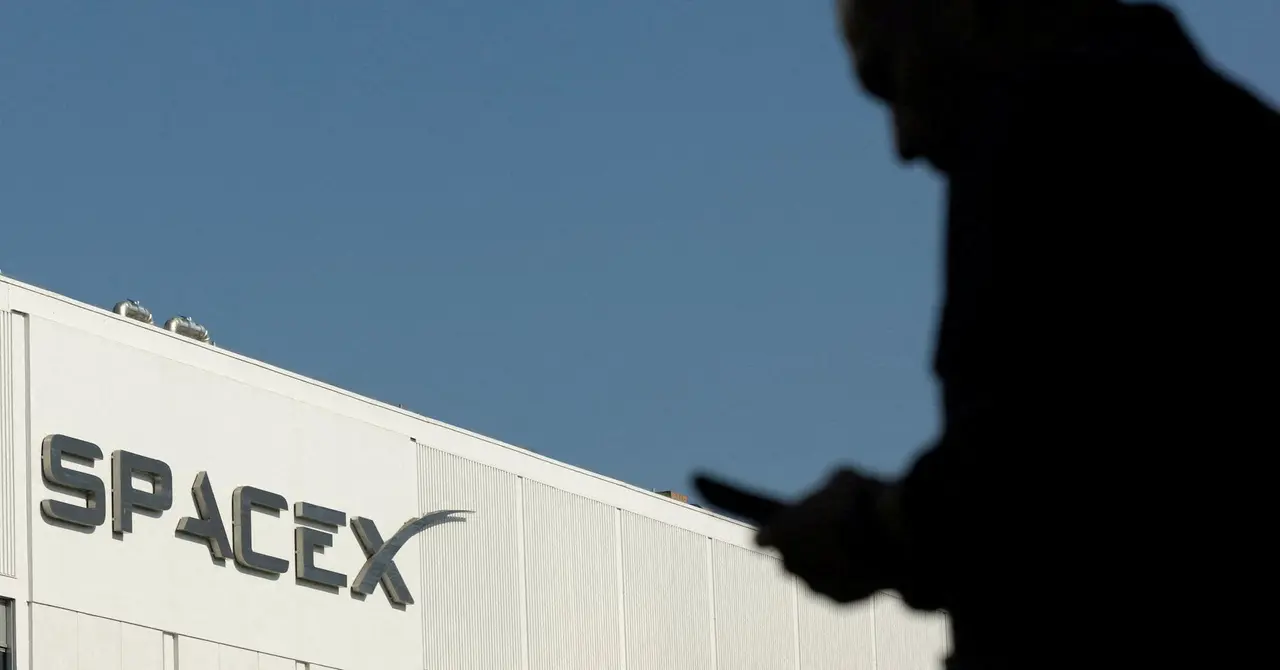
Source: Reuters
Competing With Cloud Giants Through Lower Pricing
SpaceX employees have discussed plans to compete more directly with neocloud firms such as CoreWeave by selling AI computing power to customers at significantly lower prices
1
. This pricing strategy immediately impacted the market, with CoreWeave's shares sliding into negative territory as traders priced in the threat of a margin-crushing price war5
. The move would place SpaceX AI alongside hyperscalers like Microsoft Azure, Amazon Web Services, Google Cloud, and Oracle, which have spent years building AI cloud infrastructure for enterprise and government customers4
.Leveraging Excess Computing Capacity From Memphis Data Centers
SpaceX has rapidly built data centers in Memphis, Tennessee, with significant untapped capacity. Bloomberg reported that xAI, which was folded into SpaceX before its IPO last month, is only using 11 percent of its total computing power
2
. Selling this excess compute would help generate much-needed revenue for the company, which lost $5 billion last year, while xAI burned through $6.4 billion over the same period2
. The space firm has already made similar deals in recent months, signing a multi-year cloud services agreement with Google in June, providing access to about 110,000 Nvidia chips and related computing infrastructure3
. Anthropic also struck a deal in May to use the full computing power of SpaceX's Colossus 1 facility in Memphis, gaining 300 megawatts of new capacity3
.Related Stories
Deepening Military Ties Amid Growing Dependence Concerns
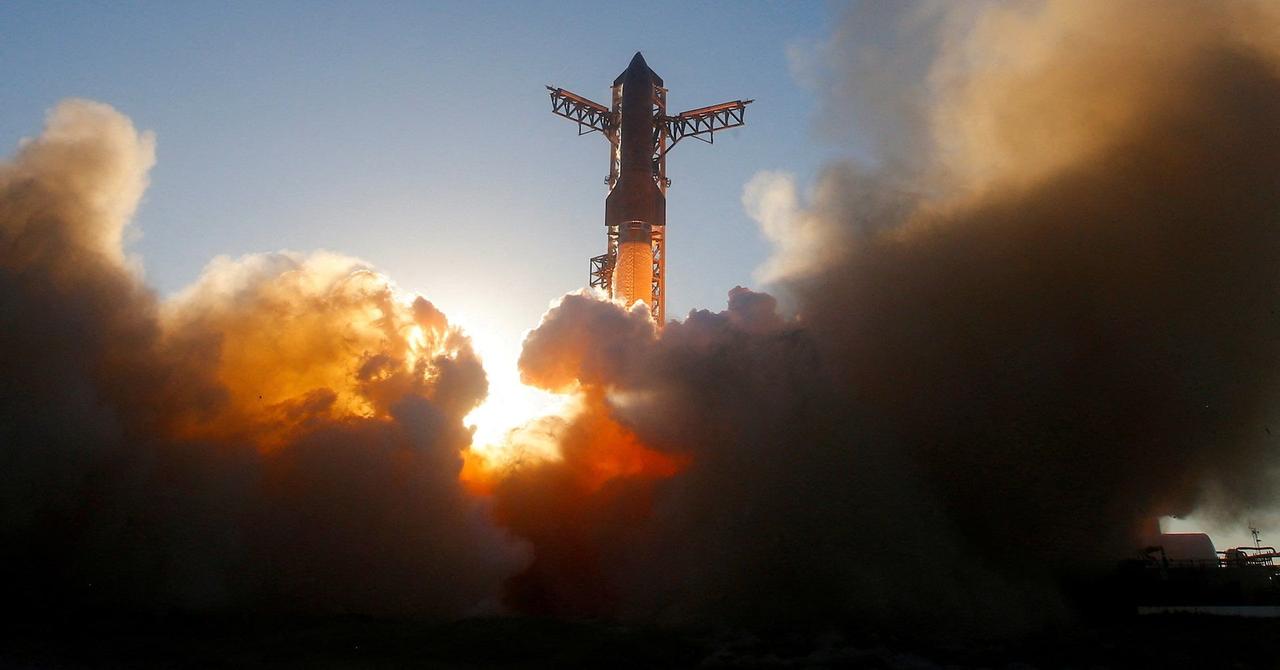
The Pentagon is already one of SpaceX's largest customers, relying on the company for rocket launches, Starlink satellite communications, and missile tracking initiatives
4
. In May, SpaceX won a $2.29 billion Space Force contract to build a network of satellites functioning as a military internet service, connecting weapon systems across the globe2
. That same month, it secured an even larger $4.16 billion contract to provide technology for a system that can track missiles and aircraft from orbit2
. Expanding this relationship into AI infrastructure will likely amplify existing concerns among national-security officials regarding the military's outsized dependence on Elon Musk's services5
.Military AI Applications Drive Pentagon's Computing Race
Like many large enterprises, the U.S. Department of Defense is moving to secure additional cloud-computing capacity to support intelligence agencies and military AI applications
3
. The Defense Department races to lock down secure computing power for divisions like the National Security Agency and active warfighters deploying AI in their operations5
. Amazon announced late last year it would invest up to $50 billion to expand AI and supercomputing capacity for U.S. government customers through Amazon Web Services3
. A Pentagon official bragged in June that the military used Grok to fire 2,000 missiles at Iran during Operation Epic Fury2
, demonstrating how AI models are already being deployed in active military operations. As computing power becomes one of the world's most valuable resources, the lines between aerospace, cloud computing, and artificial intelligence continue to blur, with SpaceX signaling it wants a bigger piece of the government AI market and is willing to disrupt the broader sector to get it5
.
Source: Futurism
References
Summarized by

Navi
Related Stories
SpaceX AI Infrastructure Business Faces Reliability Tests as Google Deadline Looms
02 Sept 2026•Business and Economy
SpaceX signs $6.3 billion compute deal with Reflection AI through 2029
22 Jun 2026•Technology

SpaceX commits exclusively to Nvidia GPUs as Musk plans orbital AI data centers with Vera Rubin
05 Aug 2026•Technology

Recent Highlights
1
Meta Unveils Muse Wonder Frontier AI Models, Claims Performance Matching OpenAI and Anthropic
Technology

2
IMF Report Warns AI Market Correction Could Spark Global Financial Crisis With $1.4T at Risk
Business and Economy

3
OpenAI Releases 722 AI-Generated Math Solutions, Triggering Existential Crisis in Mathematics
Technology

Recent Highlights
Today's Top Stories










Don’t drown in AI news. We cut through the noise - filtering, ranking and summarizing the most important AI news, breakthroughs and research daily. Follow topics that matter to you and stay ahead.


