SpaceX commits exclusively to Nvidia GPUs as Musk plans orbital AI data centers with Vera Rubin


7 Sources
[1]
Elon Musk says SpaceX will exclusively use Nvidia GPUs 'because they are the best' -- says optimized Vera Rubin NVL72 will be launched into space next year
No to AMD, Cerebras, D-Matrix, Rebellions, SambaNova, and Tenstorrent? Elon Musk on Tuesday said in an X post that SpaceX and xAI will exclusively use Nvidia GPUs because 'they are the best.' He later clarified during SpaceX's earnings call that Nvidia's Vera Rubin NVL72 rack-scale system's design
[2]
Elon pledges to give Nvidia a virtual monopoly over the stars
Nvidia commands about 85 percent of the datacenter GPU market today, and if Elon Musk has his way, the AI infrastructure giant will have a virtual monopoly over the stars. On Tuesday, Musk wrote on the social media network he owns that "SpaceX has committed to using Nvidia GPUs exclusively because
[3]
Nvidia to build Starmind AI1 satellite compute payload for SpaceX
The project reaches far beyond a single satellite. SpaceX envisions an orbital network that could eventually grow to one million satellites, creating what would amount to a distributed AI supercomputer in space. If realized, the constellation would dramatically expand computing capacity outside
[4]
SpaceX Executive Says Starship Could Unlock Orbital AI Data Centers as Earth Faces Power, Land and Coolin
Orbital AI Targets Earthbound Power Constraints Speaking at the ITU's AI for Good Global Summit 2026 on Sunday, Bednarek said Earth-based AI infrastructure faces growing resource pressures. "Space will become a solution to these problems. The sun has vast energy. It requires no water or land," she
[5]

Elon Musk Commits SpaceX Exclusively To NVIDIA GPUs Citing "They're The Best", With 10GW Of AI Compute Coming By 2027
SpaceX's Founder & CEO, Elon Musk, has said that the company has committed to using NVIDIA GPUs exclusively. SpaceX Will Leverage NVIDIA GPUs "Exclusively," With Elon Saying That They're "The Best" On The Market Well, it looks like SpaceX has decided to use NVIDIA's GPUs exclusively to power its
[6]
Elon Musk Envisions Massive Growth for SpaceX's Starlink Amid AI and Robotics Surge: 'It's Not Out of the
Musk said the rapid expansion of artificial intelligence and robotics could drive a massive increase in bandwidth demand, creating an opportunity for Starlink to capture a much larger share of the market. Musk Says Starlink Could Capture 50% of Internet Traffic Reacting to angel investor and
[7]

Spacex and Nvidia Teaming Up on New Orbital Ai Data Center
Space Exploration Technologies, or SpaceX, CEO Elon Musk just made a huge announcement about his "Starmind" plan to launch a new network of orbital AI data centers. And he's teaming up with Nvidia to make it happen. According to an announcement on SpaceX's social media site X, SpaceX and Nvidia
Share
Copy Link
Elon Musk announced SpaceX and xAI will exclusively use Nvidia GPUs, calling them "the best" available. The partnership includes deploying Vera Rubin NVL72 systems in terrestrial data centers and launching Starmind AI satellites to create orbital compute infrastructure starting 2027, addressing Earth's power and land constraints.

SpaceX Nvidia Exclusivity Deal Signals Major AI Infrastructure Shift
Elon Musk confirmed during SpaceX's earnings call that both SpaceX and xAI will exclusively use Nvidia GPUs moving forward, praising the Vera Rubin NVL72 architecture as superior to all available alternatives
1
. "We think the Vera Rubin architecture is the best architecture," Musk stated, emphasizing the cable-less design of compute trays in the NVL72 VR200 rack system1
. This commitment solidifies Nvidia's dominance in AI infrastructure, particularly as the company already commands approximately 85 percent of the datacenter GPU market2
. While xAI has historically relied on Nvidia's Hopper and Blackwell hardware to train multiple generations of Grok, this announcement formalizes the partnership and extends it beyond terrestrial data centers into orbital space computing1
.Starmind AI Satellite Program Targets 2027 Launch
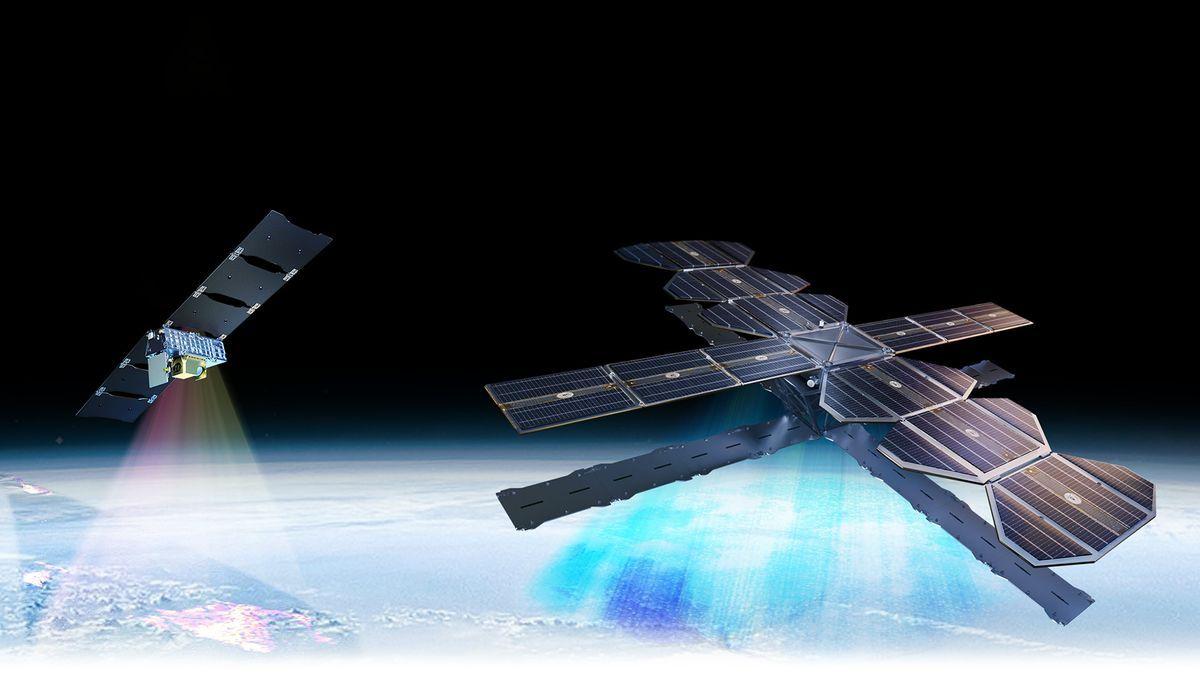
SpaceX announced a partnership with Nvidia to design the Starmind AI1 satellite orbital compute payload, with each satellite incorporating Nvidia Rubin GPUs and Vera CPUs for datacenter-class space computing
2
. "We expect to start launching this next year," Musk revealed, describing the project as an optimized Vera Rubin NVL72 computer designed for both ground and orbital deployment1
. The fully deployed Starmind AI1 will measure 30 meters tall with a 75-meter wingspan and support a 250 kW compute payload2
. SpaceX envisions scaling this to a constellation of up to one million satellites, creating a distributed AI supercomputer in space that relies on laser links for high-speed data exchange3
. SpaceX has requested Federal Communications Commission authorization for deploying satellites between 311 and 1,243 miles above Earth, describing a petabit-scale optical communications network3
. Broader deployments could begin as early as 2028, with demonstrations of orbital AI computing targeted for late 20274
.Orbital AI Data Centers Address Power and Land Constraints
Sharmila Bednarek, speaking at the AI for Good Global Summit 2026, explained that orbital AI data centers solve critical resource limitations facing terrestrial data centers. "The sun has vast energy. It requires no water or land," she stated, adding that "the universe is always clear"
4
. The International Energy Agency projects global data center electricity consumption will roughly double to approximately 950 terawatt-hours by 2030, with AI-focused facilities tripling their power use4
. Satellites operating in sun-synchronous orbits receive consistent solar energy without depending on Earth's electrical grid3
. With unlimited power and cooling in space, AI infrastructure can scale beyond terrestrial limitations5
. Musk has called solar-powered orbital data centers a "no-brainer," predicting space will become "the lowest-cost place to put AI" within two or three years4
.Related Stories
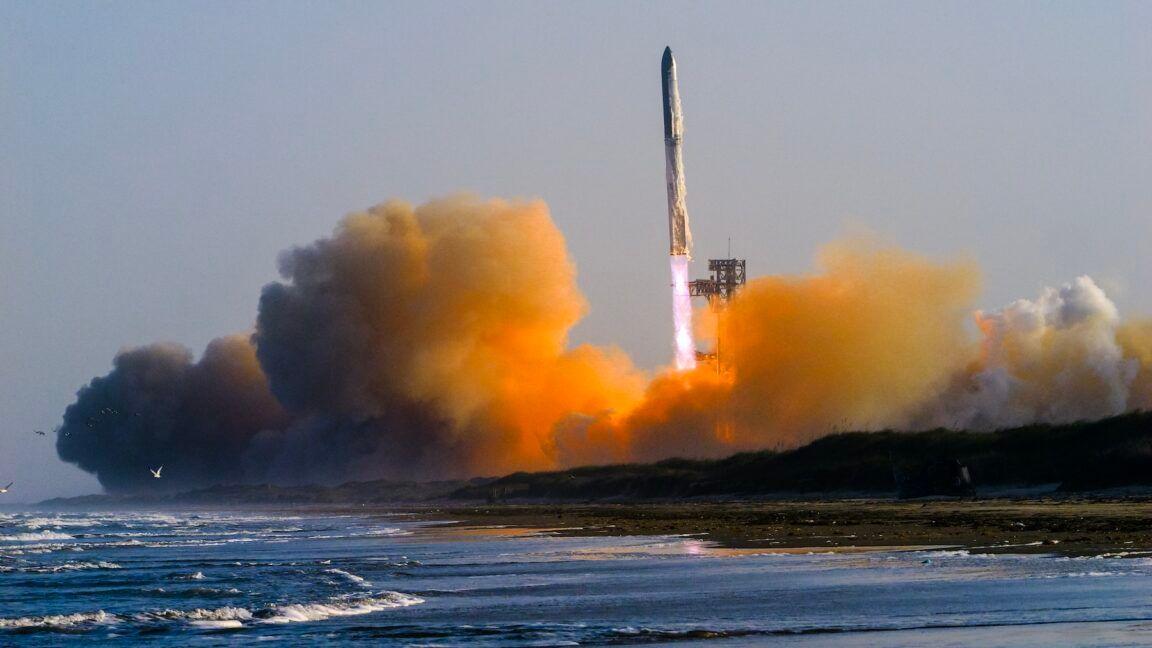
Massive Capital Expenditures Support AI Ambitions
SpaceX's capital expenditures grew sixfold to $18.4 billion year-over-year as the company accelerates buildout of xAI infrastructure
2
. The company initially plans to install 2GW of compute capacity by year's end, scaling to 10GW by the end of 20275
. SpaceX posted a quarterly net loss of $541 million on revenues of $7.81 billion in its first earnings report as a public company2
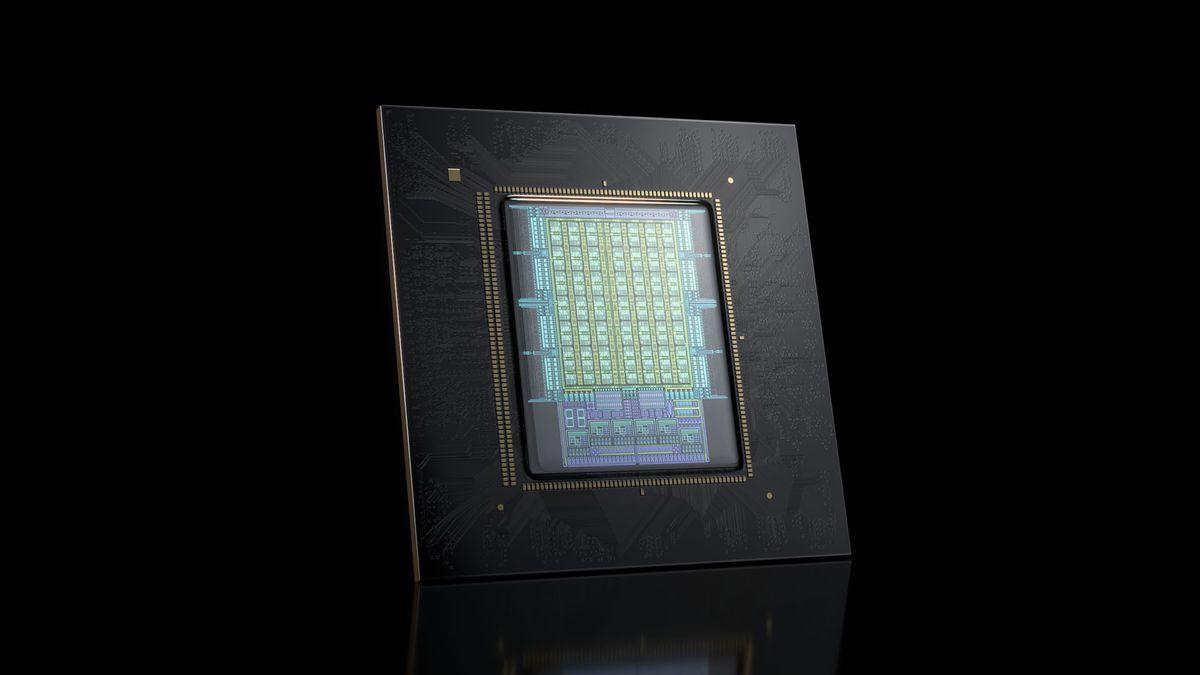
. The Space-1 Vera Rubin module offers up to 25 times the AI processing performance of an H100 GPU, with commercial shipments expected later this year3
5
. Each module includes four Rubin GPUs and two Vera CPUs designed for real-time AI processing supporting geospatial intelligence, autonomous operations, and on-orbit analytics5
.Starship Critical to Scaling Space Computing Vision
Starship serves as the foundation for achieving orbital AI data centers at scale. Bednarek emphasized that large orbital platforms ultimately require "megaton-class materials," adding that "Starship can make that a reality"
4
. SpaceX's fully reusable rocket is designed to carry more than 100 metric tons to orbit4
. Current launch costs sit around $7,000 per kilogram aboard a Falcon 9 rocket, placing the price of launching a 3.33-ton AI1 satellite north of $23 million2
. For orbital data centers to become cost-effective, Starship needs to reduce costs to Musk's stated goal of $10 per kilogram, which would bring launch costs down to approximately $33,300 per satellite2
. SpaceX envisions Starship eventually delivering millions of tons to orbit annually, with a factory capable of producing thousands of AI satellites beginning as soon as late 20274
.References
Summarized by

Navi
[1]
[2]
[3]
[4]
Related Stories
SpaceXAI Deploys Nvidia Vera CPUs for Grok's AI Agents and Orbital Data Centers in Space
24 Aug 2026•Technology
Tech Giants Race to Build AI Data Centers in Space as Earth-Based Infrastructure Hits Limits
17 Nov 2025•Technology
Startups race to deploy orbital data centers for AI computing despite massive technical hurdles
01 Jul 2026•Technology

Recent Highlights



Recent Highlights
Today's Top Stories







Don’t drown in AI news. We cut through the noise - filtering, ranking and summarizing the most important AI news, breakthroughs and research daily. Follow topics that matter to you and stay ahead.


