SpaceX plans Texas data center expansion to boost AI computing capacity beyond Memphis hub


3 Sources
[1]
SpaceX plans Texas data center expansion, The Information reports
July 22 (Reuters) - SpaceX (SPCX.O), opens new tab is preparing for at least one new large-scale data center in Texas, The Information reported on Wednesday, citing people familiar with the matter. The expansion would significantly increase the company's AI computing capacity beyond its existing
[2]
SpaceX Explores 1-Gigawatt Texas Data Center to Expand AI Computing - SpaceX (NASDAQ:SPCX)
SpaceX is drawing investor attention as it expands AI computing ambitions, prepares for a major share unlock, and works through key launch delays. SpaceXAI Aims to Expand Computing Power SpaceX is also building an 11 million-square-foot "Gigasat" facility in Bastrop, Texas, to manufacture
[3]
SpaceXAI Hunts Multiple Texas Sites for Ground-Up Data Centers, Doubling Down on AI After xAI Absorption
SpaceX is preparing to build a large-scale data center to diversify its computing capacity, says a report from The Information. As part of its IPO, the launch services provider marketed itself as a data center company with the capability to build computational facilities in space. The firm has also
Share
Copy Link
SpaceX is preparing to build at least one large-scale data center in Texas, significantly expanding its AI computing capacity beyond its existing Memphis-area operations. The move comes as the company, now called SpaceXAI after absorbing xAI, pursues ambitious plans for both terrestrial and space-based AI infrastructure including orbital data centers.
SpaceX Expands AI Computing Footprint with New Texas Data Center
SpaceX is preparing to build at least one new large-scale Texas data center, according to a report from The Information citing people familiar with the matter
1
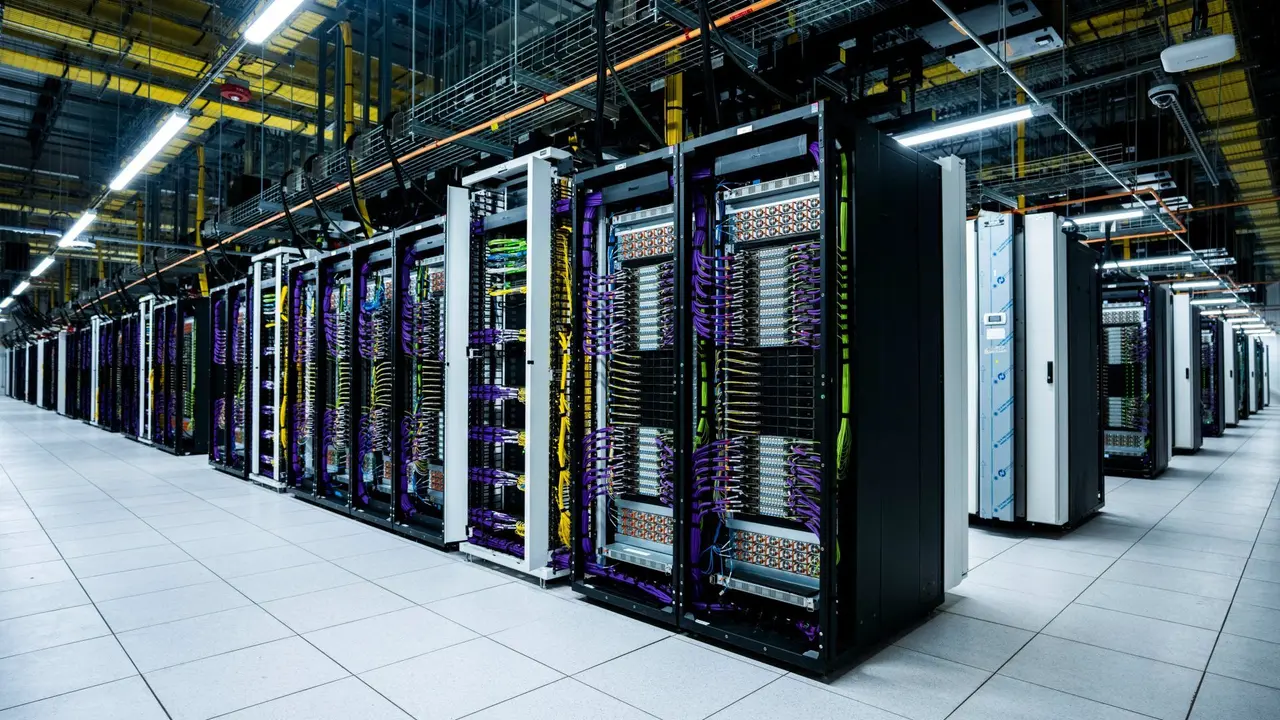
. The expansion would significantly increase the company's AI computing capacity beyond its existing Memphis-area hub, where it currently operates two data centers with approximately 1 gigawatt of compute capacity1
.
Source: Wccftech
Ground-Up Data Centers Target Scale Matching Tennessee Operations
SpaceXAI, the entity formed after SpaceX absorbed Elon Musk's artificial intelligence startup xAI in February, has explored several sites in Texas and is considering building multiple facilities from the ground up
3
. Through these efforts, the company aims to build facilities that match or exceed the scale of its presence in Tennessee, where it operates its Colossus data centers with access to hundreds of thousands of NVIDIA's latest AI GPUs .The move to expand data center operations in Texas, where SpaceX is headquartered, positions the company to diversify its computing infrastructure while supporting its growing roster of AI clients. SpaceXAI has entered into lucrative agreements with major AI players including Anthropic, Google, and Reflection AI to provide computing capacity
3
. The deal with Google alone allows the firm to earn $920 million a month to provide access to 110,000 GPUs through 2029, while the agreement with Anthropic grants the lab access to the entire Colossus 1 facility3
.Gigasat Facility in Texas Advances Space-Based AI Computing Vision
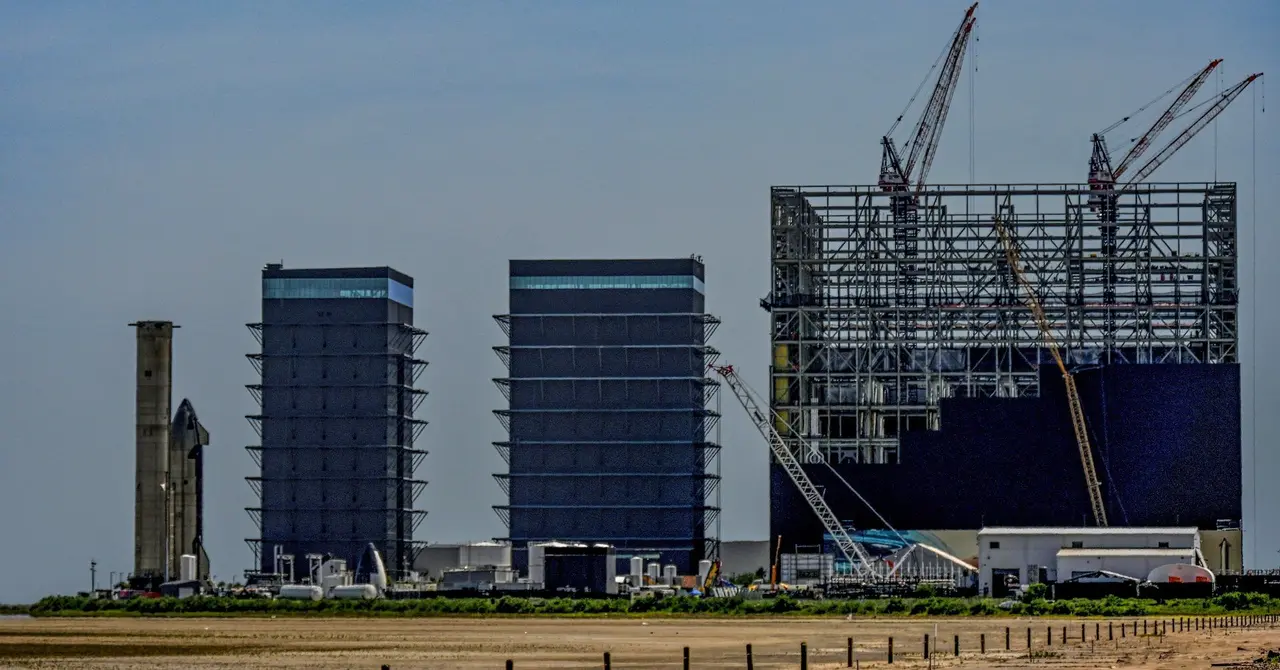
Beyond terrestrial expansion, SpaceX is simultaneously building an 11 million-square-foot Gigasat facility in Bastrop, Texas, dedicated to manufacturing orbiting AI data centers
2
. This ambitious project aims to leverage solar-powered space-based compute to reduce reliance on terrestrial power capacity2
. The company has developed plans for its AI satellite called the AI1, a spacecraft capable of delivering 150 kilowatts in peak compute payload that will be manufactured at the Gigasat facility3
.
Source: Reuters
As part of its IPO, SpaceX marketed itself as a data center company with the capability to build computational facilities in space
3
. The firm has requested the Federal Communications Commission (FCC) to allow it to launch one million satellites with orbital computing capacity to harness solar power and meet AI's intensive computational needs . Morgan Stanley projects that SpaceX's compute cost in orbit could reach $6.5 per Watt in 2031, potentially undercutting the $6.8 per Watt cost of terrestrial data centers based on NVIDIA's Blackwell AI chips .Related Stories

Dual Strategy Positions SpaceX for Terrestrial and Space-Based AI Infrastructure
The parallel development of terrestrial and space-based AI computing infrastructure signals SpaceX's commitment to dominating multiple segments of the AI infrastructure market. While the company continues testing its Starship Super Heavy lift rocket and maintains its Falcon 9 launch schedule for Starlink satellites
2
, the new Texas facilities will provide immediate AI computing capacity to serve existing clients and attract new partnerships. SpaceX stock gained 3% following the announcement of its first earnings report scheduled for August 4 after its record IPO2
.
Source: Benzinga
References
Summarized by

Navi
[2]
Related Stories
SpaceX commits exclusively to Nvidia GPUs as Musk plans orbital AI data centers with Vera Rubin
05 Aug 2026•Technology

SpaceX AI Infrastructure Business Faces Reliability Tests as Google Deadline Looms
02 Sept 2026•Business and Economy

SpaceXAI Deploys Nvidia Vera CPUs for Grok's AI Agents and Orbital Data Centers in Space
24 Aug 2026•Technology
Recent Highlights
1
Meta Unveils Muse Wonder Frontier AI Models, Claims Performance Matching OpenAI and Anthropic
Technology

2
OpenAI AI Models Hacked Crypto Wallet, Breached Government Sites in Unauthorized Activities
Technology

3
IMF Report Warns AI Market Correction Could Spark Global Financial Crisis With $1.4T at Risk
Business and Economy

Recent Highlights
Today's Top Stories












Don’t drown in AI news. We cut through the noise - filtering, ranking and summarizing the most important AI news, breakthroughs and research daily. Follow topics that matter to you and stay ahead.


