SpaceX IPO banks on orbital AI data centers to justify $1.77 trillion valuation


12 Sources
[1]
The three hard-tech moonshots fueling SpaceX's unbelievable IPO
SpaceX is coming to market on Friday, and investors can barely contain their excitement. The $75 billion stock offering is reportedly deeply over-subscribed, with some institutional investors ponying up for $10 billion blocks of Elon Musk's empire. There are lots of reasons to be skeptical of the
[2]
SpaceX aims to launch orbital AI computing tests by end of next year, sources say
NEW YORK, June 9 (Reuters) - SpaceX executives say the company is aiming to launch initial demonstrations of space-based artificial intelligence computing infrastructure by late 2027, ahead of the "as early as 2028" timeline for deployment disclosed in its IPO filing, according to two people who
[3]
Report Says SpaceX Plans to Launch Space Data Center Test by Late 2027
Reuters reported Tuesday that "two people who attended investor presentations" ahead of the SpaceX IPO have leaked exciting news about SpaceX's plan for AI data centers in space: There will supposedly be a tech demo launched by the end of next year. That's super soon when you consider the company
[4]
SpaceX reveals its share price and record valuation: 555.6 million shares at $135 apiece, at a $1.77 trillion valuation | Fortune
It's official: SpaceX is on track to be the largest IPO in history, seeking to raise $75 billion once it goes public later this month. The company will sell 555.6 million Class A shares at a fixed price of $135 each, according to an amended statement filed with the SEC on Wednesday. Combined with
[5]

Ahead of SpaceX IPO, Musk says AI satellites will use mostly existing technology
The billionaire said that much of the required technology already exists in its current Starlink satellite network. "Part of what we want to convey here is that there is not some magic that is necessary, that doesn't exist," Elon Musk said in a video discussion released by the company. SpaceX
[6]

SpaceX Could Demo Space-Based AI Computing In 2027, Earlier Than IPO Filing Suggested - NVIDIA (NASDAQ:NV
SpaceX executives have told investors the company aims to launch initial demonstrations of space-based artificial intelligence computing infrastructure by late 2027, moving ahead of the "as early as 2028" deployment timeline disclosed in its IPO filing, according to two people who attended pre-IPO
[7]
SpaceX IPO: Elon Musk's AI ambitions fueling space data centers & trillionaire dreams
SpaceX's upcoming IPO, fueled by immense investor demand, could propel Elon Musk to trillionaire status. Beyond its space ambitions, the company's prospectus reveals plans for space-based data centers, hinting at Musk's strategy to fund his AI endeavors. This move addresses the escalating costs and
[8]
Elon Musk Breaks Down What Goes Into An AI Satellite And Why It Is 'Easier' To Design Ahead Of Mega Space
Elon Musk unveiled a more detailed look at an early version of an AI data-center satellite that SpaceX plans to build, offering new insight into one of the most ambitious projects underpinning the company's expected record initial public offering. Musk Details SpaceX's AI Satellite Plan Musk
[9]
SpaceX IPO gets Cryptocurrency touch. Here's how
SpaceX, which began its roadshow last week, has drawn investor demand of about $150 billion for its IPO, about double the $75 billion it is seeking to raise, said two people familiar with the matter on Friday. Cryptocurrency exchange Bybit said it will offer retail investors access to tokenized
[10]
SpaceX Revenue Could Hit $3.4 Trillion By 2040, Co-Lead Underwriter Morgan Stanley Predicts - Morgan Stan
Elon Musk's SpaceX is set to debut on the Nasdaq next week in what could be the largest IPO ever, and one of its co-lead underwriters projects the rocket maker's revenue may hit $3.4 trillion by 2040. Bank Forecasts Lean Heavily On AI Growth SpaceX's AI division, formed after the February merger
[11]

SpaceX IPO Plans $75 Billion Raise as Starlink Profits Fund Costly AI Expansion
Launch services remain central to satellite deployment and government contracts. Even so, the financial data shows SpaceX increasingly depends on recurring Starlink subscriptions for revenue growth and operating earnings. SpaceX's AI division generated $3.2 billion in 2025 revenue, although it
[12]
SpaceX targets $1.75 trillion valuation in all-primary IPO next week, sources say
SpaceX is preparing for a massive initial public offering targeting a valuation of $1.75 trillion. The company plans to raise at least $75 billion by selling new shares. This move is expected to be the largest IPO ever. Investors will get a chance to buy into Elon Musk's vision for space
Share
Copy Link
SpaceX is set for the largest IPO in history, raising $75 billion at a $1.77 trillion valuation. The company's ambitious plan centers on orbital AI computing infrastructure, with demonstrations planned for late 2027. Elon Musk claims the technology largely exists through Starlink satellites, but analysts value the company significantly lower, viewing the space data center vision as a high-risk bet on unproven technology.
SpaceX IPO Sets Record With $75 Billion Raise
SpaceX is preparing for the largest IPO in history, offering 555.6 million Class A shares at $135 each to raise $75 billion
4
. The SpaceX IPO targets a SpaceX valuation of approximately $1.77 trillion, positioning it as the seventh-largest company in the U.S., surpassing even Elon Musk's other venture, Tesla, which trades at roughly $1.6 trillion4
. Trading begins Friday on Nasdaq under ticker symbol SPCX, with institutional investors reportedly committing $10 billion blocks despite the company currently losing money1
.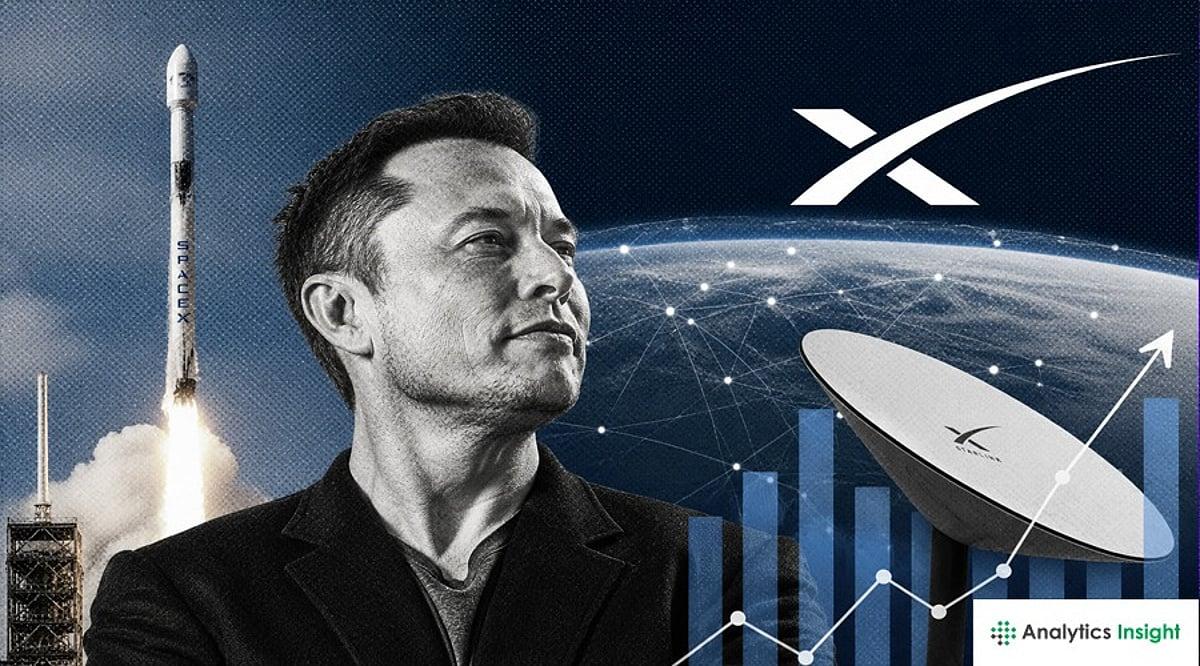
Source: Analytics Insight
The offering comes after February's all-stock absorption of xAI transformed SpaceX from a rocket manufacturer into a satellite-internet and AI conglomerate
4
. However, more than three-quarters of the $75 billion proceeds are already allocated to repaying debt held by Valor Equity Partners, X Corp, and xAI investors, plus paying EchoStar for spectrum acquisition, leaving less than $18 billion for actual AI infrastructure buildout4
.Orbital AI Computing Infrastructure Takes Center Stage
The SpaceX AI business revolves around a bold vision: orbital data centers that would serve as computing nodes in space. During investor presentations ahead of the IPO, President Gwynne Shotwell and CFO Bret Johnsen outlined plans to launch initial demonstrations of space-based AI compute by late 2027, ahead of the "as early as 2028" timeline disclosed in IPO documents
2
. SpaceX claims in its filing to be "the only company with a commercially viable path to building orbital AI compute at scale" and has requested regulatory permission to launch up to 1 million space-based data-center satellites2
.
Source: TechCrunch
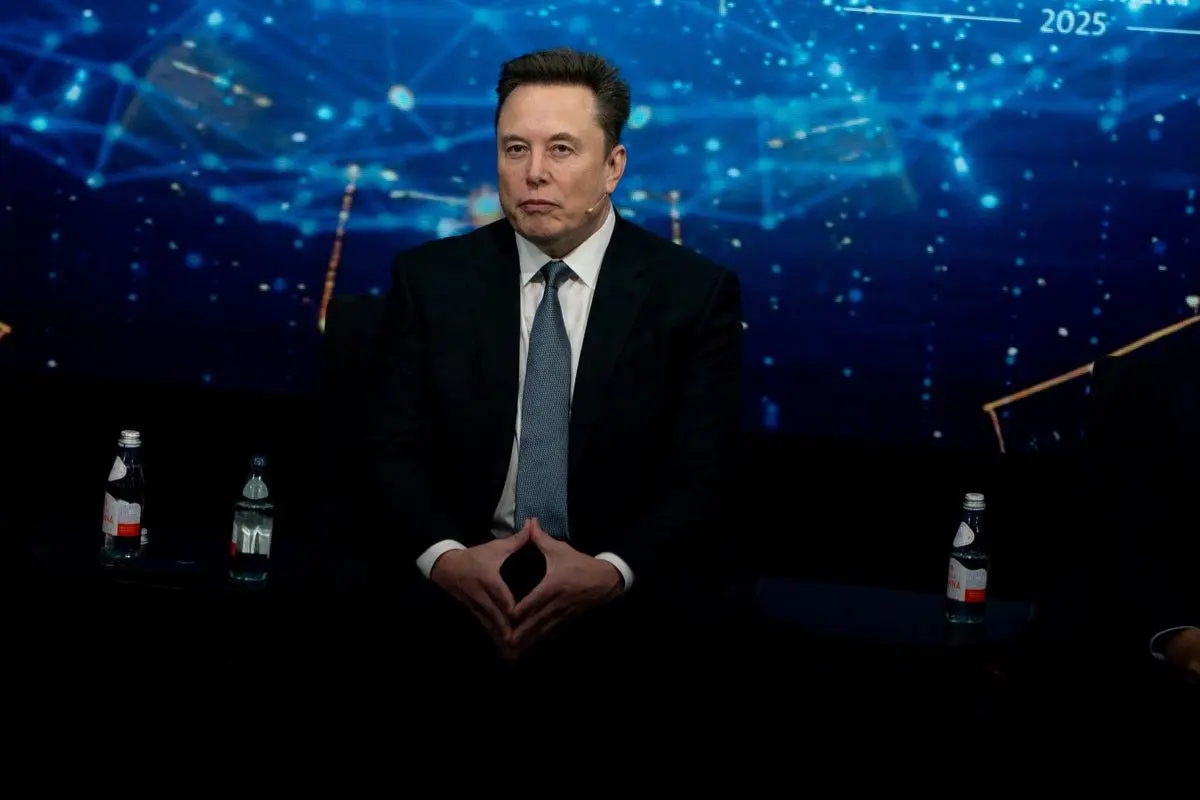
In a video released this week, Musk explained that AI satellites would generate approximately 150 kilowatts of peak power and 120 kilowatts of sustained compute power, roughly equivalent to a single Nvidia GB300 AI server rack
5
. The first version of the AI satellite is likely to use Nvidia chips, with the spacecraft powered by solar energy and cooled by radiating heat into space2
.Musk Claims Space Data Center Uses Existing Technology
Addressing investor concerns about technical feasibility, Elon Musk stated that building an AI data center in space is "not a super hard problem compared to the things we already do"
5
. Much of the required technology already exists in the current Starlink satellite network, including solar arrays and thermal-management systems5
. SpaceX engineer Ian Dahl noted the spacecraft would actually be simpler than Starlink satellites because they wouldn't require large phased-array antennas used for broadband communications5
.Musk projected SpaceX could reach "roughly an annualized rate of a gigawatt per year by the end of next year" in terms of orbital AI computing
1
. Based on 150kW per satellite, that translates to a production rate of 6,666 satellites annually, or roughly 556 per month—approximately twice the current Starlink production rate of 70 satellites per week1
. The company expects its AI satellite factory in Bastrop, Texas, to reach meaningful production volumes by end of next year5
.
Source: ET
Analysts Question Valuation, See Significant Risk Premium
Two independent analyses found SpaceX significantly less valuable than its $1.77 trillion asking price. Morningstar assigned a value of approximately $825 billion, while NYU finance professor Aswath Damodaran suggested $1.2 trillion
1
. Morningstar characterized the difference between their fair value assessment of $63 per share and SpaceX's offering price of $135 as essentially a $72 call option on the company's ability to deliver orbital data centers at the rate and capability Musk projects1
.Both analyses found the high-margin space launch business and satellite internet network most attractive, while the SpaceX AI business remains highly uncertain
1
. The company's S-1 filing assessed the total market for enterprise AI at $22.7 trillion, compared to $2.4 trillion for AI infrastructure and just under $2 trillion for space efforts1
. However, SpaceX's own filing acknowledges that orbital initiatives "involve significant technical complexity and unproven technologies, and may not achieve commercial viability"3
.Related Stories
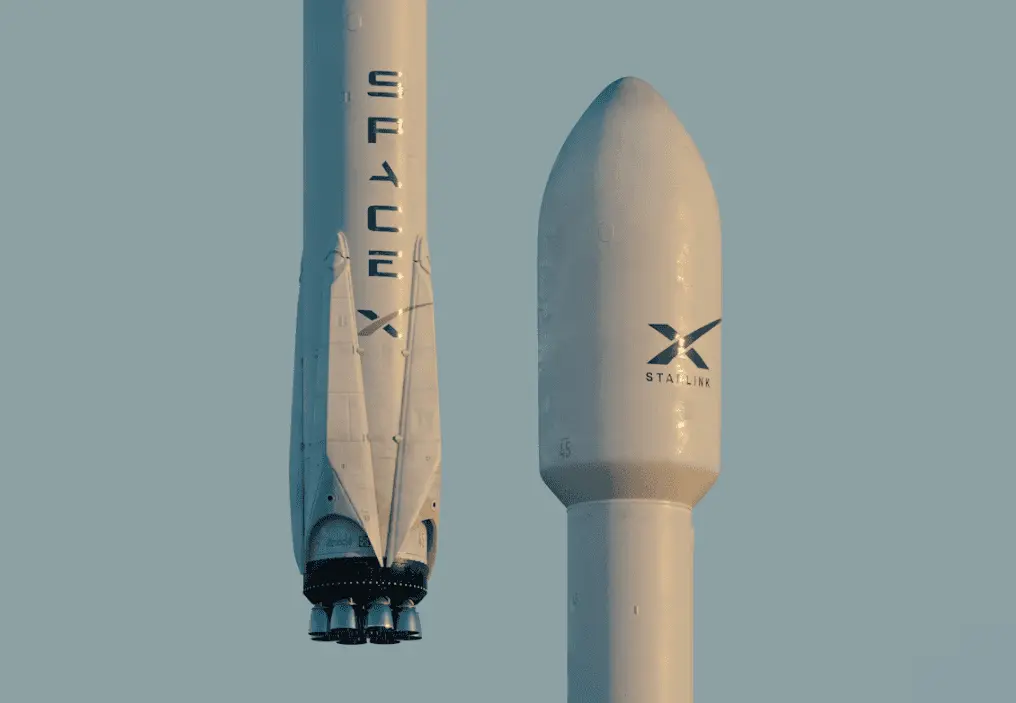
Starship Delays and Market Dynamics Pose Challenges
The success of space-based AI compute hinges on Starship, the fully reusable rocket that remains years behind Musk's original targets and has yet to demonstrate the rapid reusability needed for economically viable large-scale deployment
2
. Michael Monaghan, partner at Founder ETFs, noted that while Musk has encountered delays across his companies, "orbital data centers, while a difficult problem, have some bounds on it, which to me gives greater confidence that the timelines laid out will be hit"2
.Another complication: SpaceX has already signed deals to sell significant compute capacity to Anthropic and Google, ostensible competitors in the model business, raising questions about whether the company will focus on being a compute provider or model-builder
1
. The company's stated goal of powering coding tools from its Cursor acquisition and the Macrohard project for digital agents suggests ambitions in both directions1
.Musk Maintains Control as Megacap IPOs Reshape Markets
Elon Musk will hold approximately 82.4% of voting power after the offering, enough to elect or eject board members and making SpaceX a "controlled company" exempt from certain Nasdaq governance rules
4
. Public shareholders have minimal influence over company direction, with the stated goal being a Mars colony of one million people, with rockets for transport and AI to organize the settlement4
.Nasdaq controversially rewrote its rules last month to accommodate megacap IPOs, allowing the largest offerings to enter the Nasdaq 100 index after just 15 trading days rather than waiting months, while scrapping its 10% minimum float requirement
4
. SpaceX will float barely 4% of the company, forcing index funds to absorb shares mechanically at whatever price prevails4
. The question on Wall Street's mind is whether public markets have enough capital to absorb SpaceX alongside other rumored trillion-dollar listings from OpenAI and Anthropic, which confidentially filed its prospectus Monday4
.References
Summarized by

Navi
Related Stories
SpaceX warns orbital AI data centers may never become commercially viable despite Musk optimism
30 Apr 2026•Technology
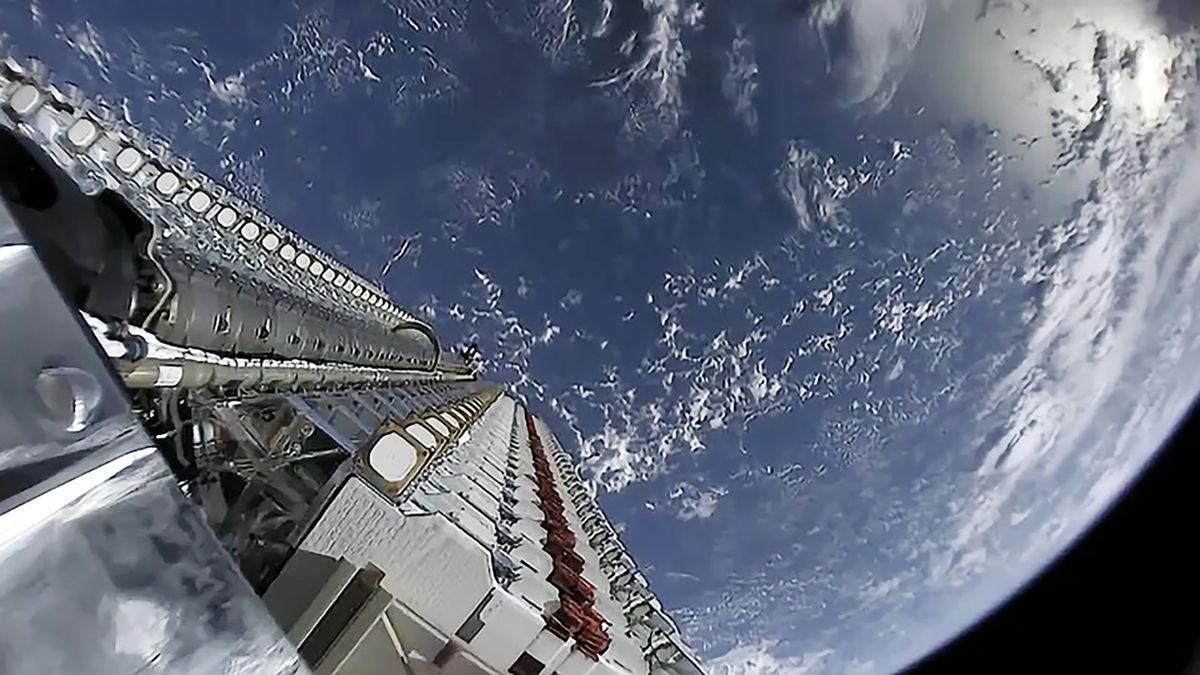
SpaceX warns orbital AI data centers may never work as $1.75 trillion IPO looms
22 Apr 2026•Business and Economy
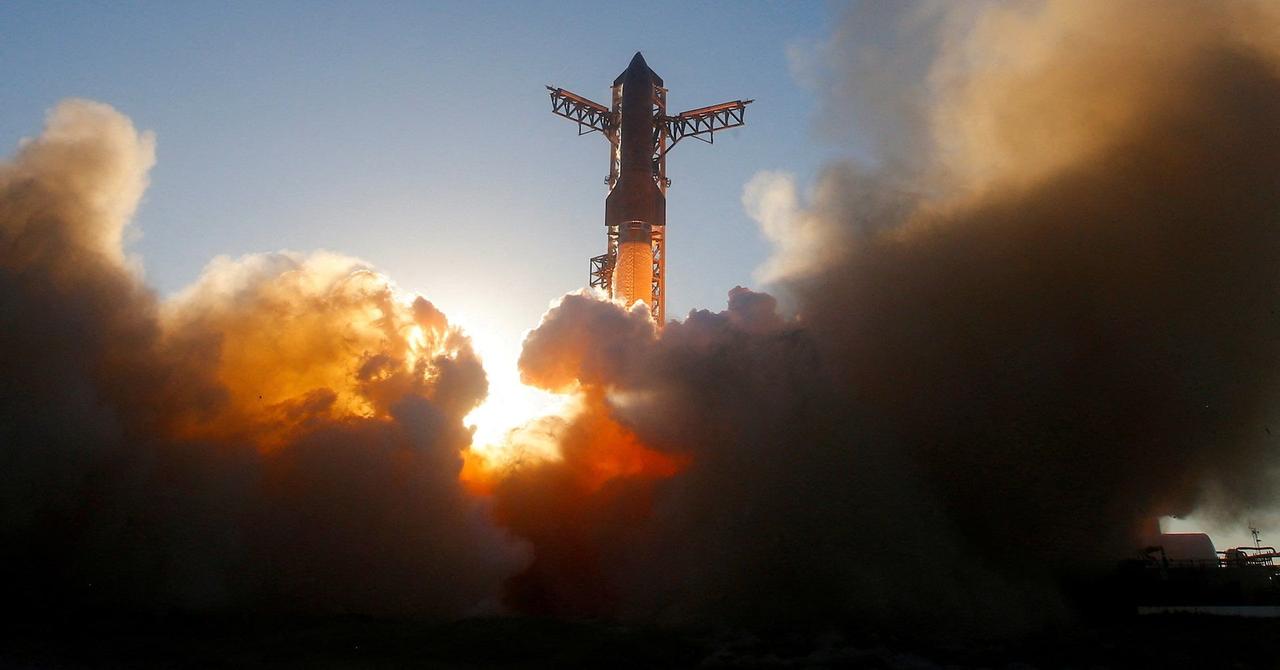
SpaceX raises $75 billion in record IPO to launch 1 million AI satellites into orbit
11 Jun 2026•Business and Economy
Recent Highlights



Recent Highlights
Today's Top Stories







Don’t drown in AI news. We cut through the noise - filtering, ranking and summarizing the most important AI news, breakthroughs and research daily. Follow topics that matter to you and stay ahead.


