SpaceX warns orbital AI data centers may never become commercially viable despite Musk optimism


3 Sources
[1]
SpaceX filing contrasts Musk's optimism with technical realities of space AI
SpaceX admits Elon Musk's orbital AI data centers face harsh realities * SpaceX admits orbital AI data centers may never become commercially viable * SpaceX S-1 filing reveals unproven technologies behind space-based computing infrastructure * Harsh space conditions threaten the reliability of
[2]
SpaceX warns orbital AI data centers may not be viable at all
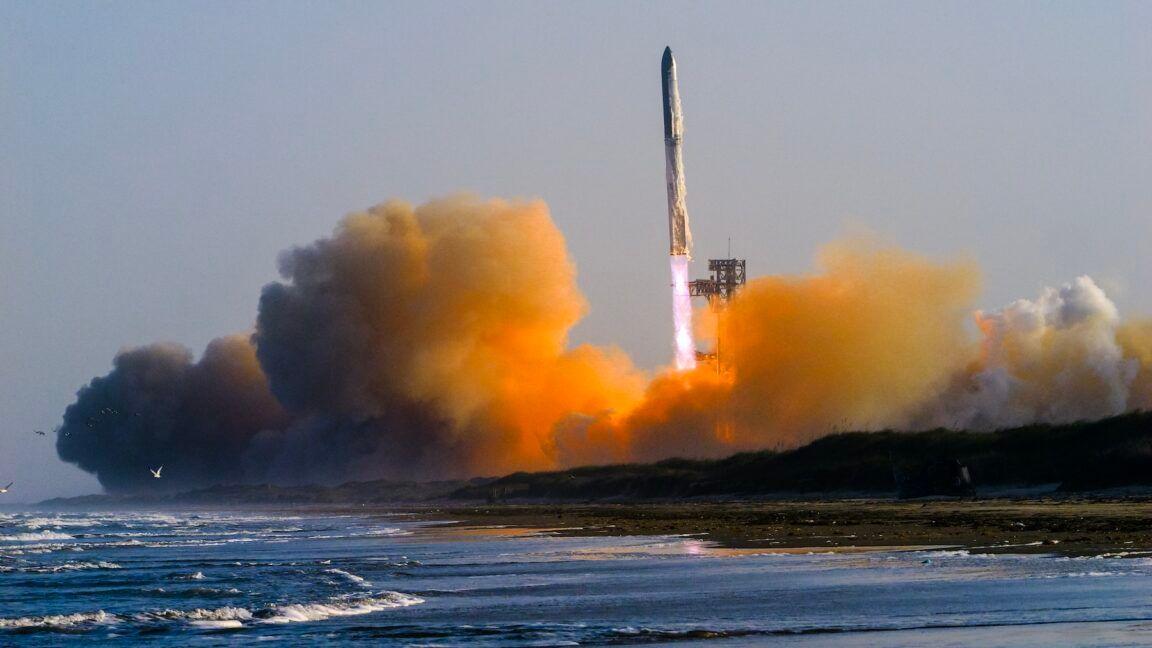
SpaceX's ambitions to develop orbital AI data centers may not be commercially viable, according to its recently submitted pre-IPO S-1 filing. The company outlined significant risks surrounding unproven technologies and harsh space conditions that could hinder the reliability of such operations,
[3]
Inside Elon Musk's IPO Pitch: What Would It Take For SpaceX To Put Data Centers In Space? - Tesla (NASDAQ
Elon Musk's SpaceX is weeks from filing its IPO prospectus, and one of the ideas the company has been pitching is putting AI data centers in space. A new Wall Street Journal video explored the feasibility of a scheme SpaceX's own pre-IPO filing reportedly warns "may not achieve commercial
Share
Copy Link
SpaceX disclosed in its pre-IPO S-1 filing that ambitious plans to deploy AI data centers in space face significant technical viability risks and unproven technologies. The harsh space environment threatens sensitive AI hardware with radiation damage, temperature extremes, and no possibility of in-orbit repairs—contrasting sharply with Elon Musk's public optimism about space-based computing.
SpaceX S-1 Filing Reveals Commercial Viability Concerns
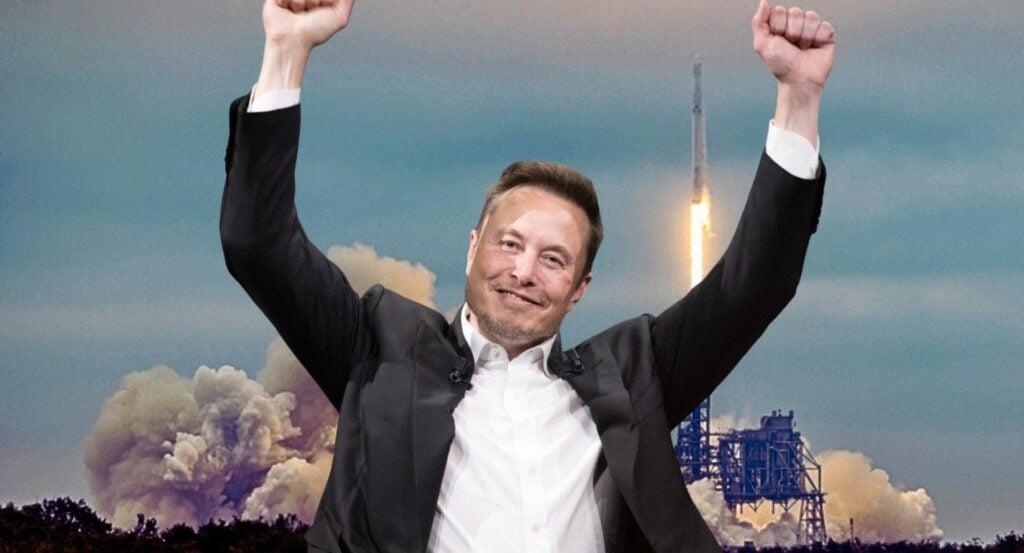
SpaceX has acknowledged that its ambitious vision to deploy AI data centers in space may never achieve commercial viability, according to the company's pre-IPO S-1 filing reviewed by Reuters. The disclosure marks a stark departure from Elon Musk's public enthusiasm, presenting investors with a sobering assessment of the technical viability risks surrounding orbital AI compute infrastructure in orbit
1
.
Source: Benzinga
"Our initiatives to develop orbital AI compute and in-orbit, lunar, and interplanetary industrialization are in early stages, involve technical complexity and unproven technologies, and may not achieve commercial viability," the company stated in the filing
2
. The document warns that future orbital data centers will operate "in the harsh and unpredictable environment of space, exposing them to a wide and unique range of space-related risks that could cause them to malfunction or fail"1
.Elon Musk's Vision Contrasts With Engineering Reality
While SpaceX's IPO pitch includes plans for what could become transformative infrastructure, the technical challenges remain formidable. Elon Musk called space-based AI a "no-brainer" at the World Economic Forum in January 2026, predicting it would become the cheapest place for AI compute within two to three years
1
. Following the merger between SpaceX and xAI in February, he declared that "space-based AI is obviously the only way to scale"2
. SpaceX even requested FCC authorization for up to one million solar-powered satellites for an "Orbital Data Center System," framing the project as a "first step towards becoming a Kardashev II-level civilization"3
. NYU Stern professor Aswath Damodaran valued SpaceX at $1.2 trillion in late April, though the company reportedly targets $1.75 trillion to $2 trillion for its IPO3
.Radiation and Harsh Space Environment Threaten Hardware Reliability
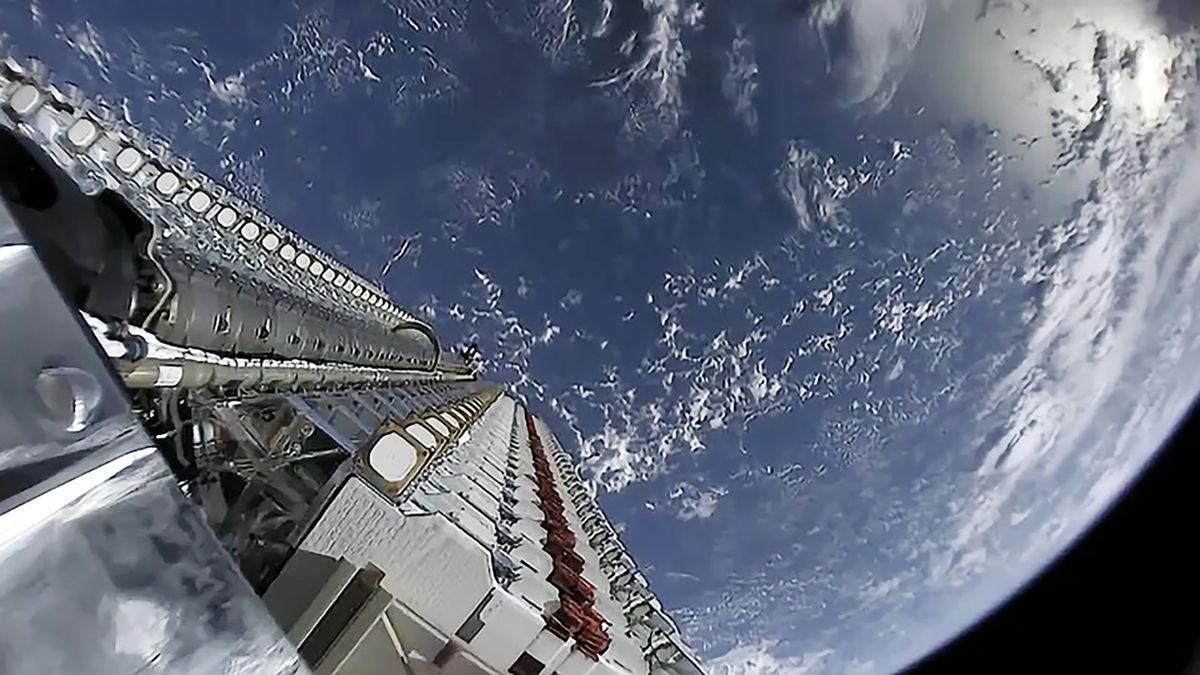
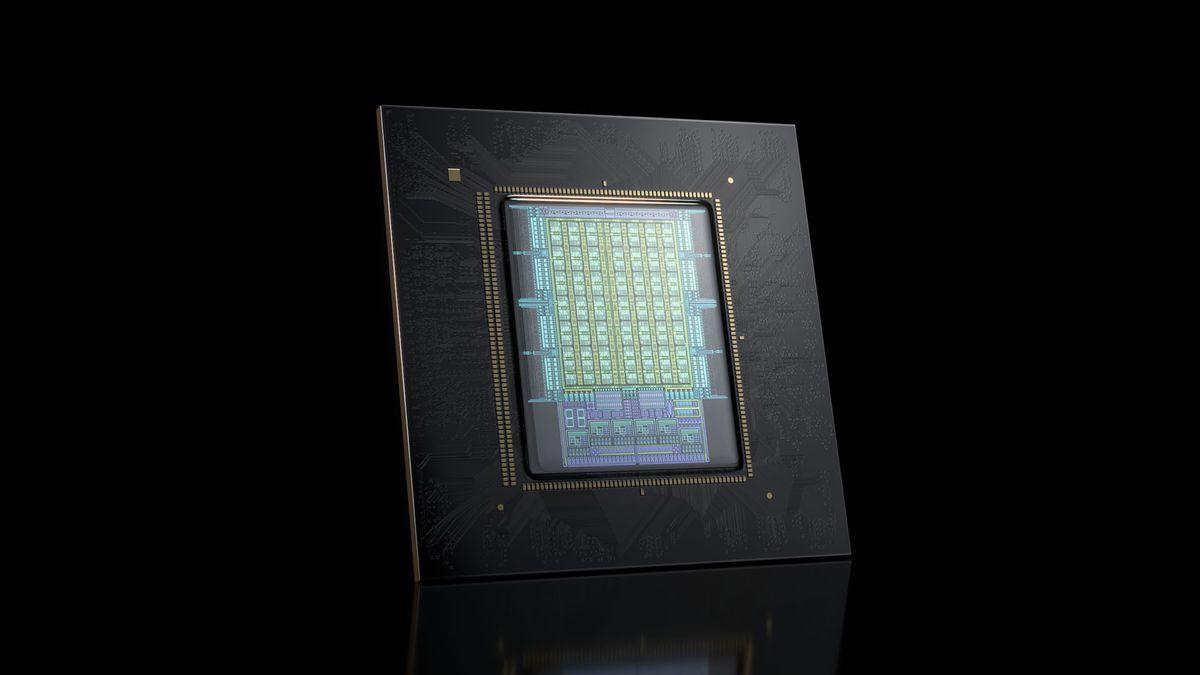
The fundamental problem facing orbital AI data centers is that no one has ever built and operated such infrastructure in space before. Radiation poses severe risks to AI compute infrastructure in orbit, capable of corrupting memory and damaging electronics beyond what Earth-based shielding can prevent
1
. A single high-energy particle striking a GPU can flip a bit and turn correct calculations into errors, requiring mitigation strategies like error correction, running identical compute across three separate GPUs, or heavy physical shielding3
. Temperature swings between sunlight and shadow can stress components beyond their design limits, while the harsh space environment makes cooling particularly challenging since air or water cannot be used1
. Heat must dissipate through heavy closed-loop radiator panels that bleed infrared into the vacuum3
.
Source: TechRadar
Related Stories
Starship Rocket Delays Threaten Deployment Timeline
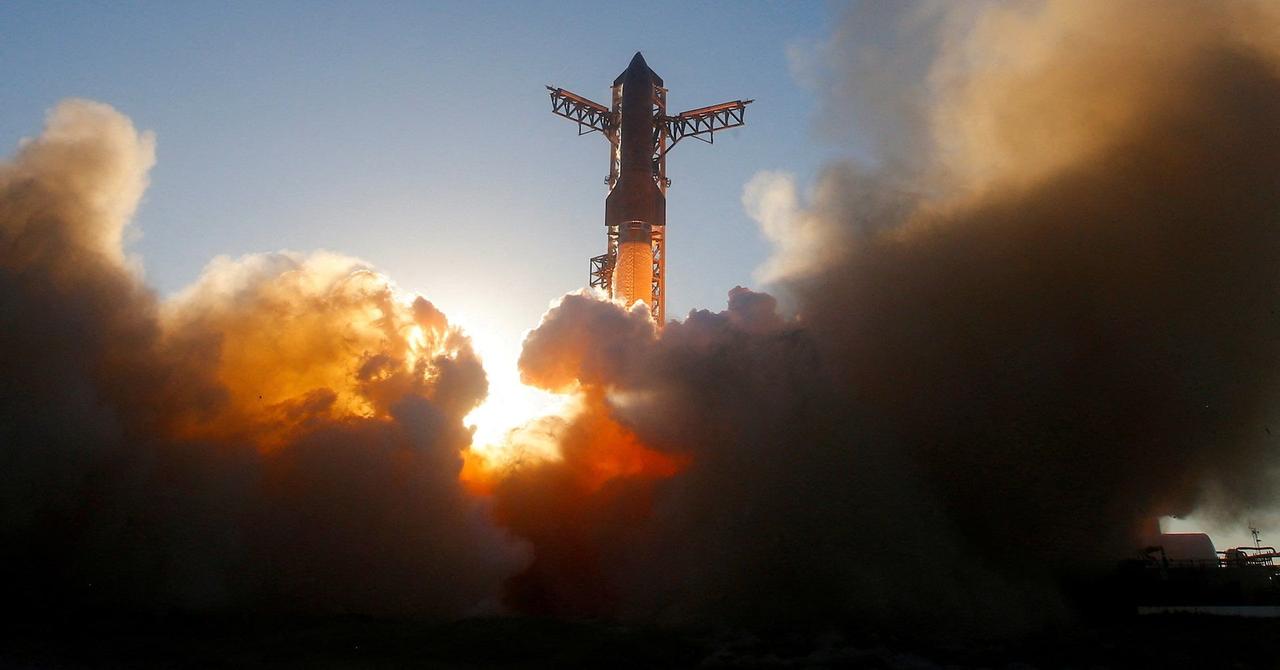
Deploying AI data centers in space depends entirely on Starship, SpaceX's next-generation fully reusable rocket, which has suffered multiple delays and testing failures. "Any failure or delay in the development of Starship at scale or in achieving the required launch cadence, reusability, and capabilities thereof would delay or limit our ability to execute our growth strategy," the S-1 filing warned
2
. Musk stated the project would require 10,000 Starship launches per year, yet SpaceX flew only 165 missions in 2025—almost entirely on the smaller Falcon 9 vehicle—and Starship still has not completed a fully reusable test flight3
. If the Starship rocket fails to achieve its promised launch cadence and reusability, the economics of placing AI data centers in orbit collapse entirely1
.No Possibility of In-Orbit Repairs Compounds Risk
The inability to conduct in-orbit repairs represents a critical constraint for investors evaluating this technology. AI systems that function perfectly on Earth would need adaptation to withstand space conditions without any possibility of on-site repairs
2
. Every component must work flawlessly for its entire intended lifespan, as technicians cannot simply fix hardware with a spare part and a screwdriver as they would with Earth-based alternatives1
. Data latency adds another layer of complexity, as queries must round-trip to orbit and back, while bandwidth limits would force satellites to be preloaded with training data rather than streamed from Earth3
. Ground-based data centers cost less to build and maintain, improving every year while orbital infrastructure must prove both reliability and affordability against these advancing terrestrial alternatives1
. Polymarket gives SpaceX a 91% chance of going public by August 31, with prediction markets pricing a closing market cap above $2 trillion at 59%3
.References
Summarized by

Navi
Related Stories
SpaceX IPO banks on orbital AI data centers to justify $1.77 trillion valuation
03 Jun 2026•Business and Economy

SpaceX warns orbital AI data centers may never work as $1.75 trillion IPO looms
22 Apr 2026•Business and Economy
SpaceX acquires xAI as Elon Musk bets big on 1 million satellite constellation for orbital AI
29 Jan 2026•Technology
Recent Highlights



Recent Highlights
Today's Top Stories






Don’t drown in AI news. We cut through the noise - filtering, ranking and summarizing the most important AI news, breakthroughs and research daily. Follow topics that matter to you and stay ahead.


