SpaceX Seeks $40 Billion Financing to Purchase Nvidia Chips for AI Infrastructure Expansion


4 Sources
[1]
SpaceX looks to raise $40bn to buy Nvidia chips in financing led by Apollo
Elon Musk's SpaceX is seeking to raise $40bn in a financing effort led by Apollo Global Management to purchase Nvidia chips as the AI and rocket group amplifies its bet on the chipmaker's advanced technology. The company is seeking to raise about $10bn in bank loans and $30bn in investment-grade
[2]
SpaceX seeks US$40 billion financing to buy Nvidia chips, sources say
SpaceX is in talks with banks and asset managers to raise US$40 billion for the purchase of Nvidia artificial intelligence chips, two sources familiar with the matter said. The Elon Musk-led company is in talks with asset manager PIMCO for financing, one of the sources told Reuters. SpaceX is
[3]
SpaceX seeks to raise $40 bln to buy Nvidia chips- FT By Investing.com
Investing.com-- SpaceX is seeking to raise $40 bln in an endeavor led by Apollo Global to buy Nvidia chips, the Financial Times reported on Tuesday, citing people familiar with the matter. Elon Musk's rocket and artificial intelligence firm is seeking to raise about $10 billion in bank loans and
[4]
SpaceX seeks $40bn from Apollo to equip itself with Nvidia chips
Apollo Global Management would lead a debt offering combining bank loans and investment-grade bonds to finance Elon Musk's company's AI needs, the Financial Times has learned. The operation illustrates the scale of capital required by the race to build artificial intelligence
Share
Copy Link
Elon Musk's SpaceX is pursuing $40 billion in financing led by Apollo Global Management to purchase Nvidia AI chips. The deal combines $10 billion in bank loans with $30 billion in investment-grade debt, expected to close in 2027, highlighting the massive capital demands of the AI boom as companies race to secure advanced processors.
SpaceX Financing Deal Targets $40 Billion for Nvidia AI Chips
SpaceX is pursuing a $40 billion financing arrangement led by Apollo Global Management to purchase Nvidia chips, marking one of the largest AI infrastructure investments to date
1
2
. Elon Musk's rocket and AI company is seeking approximately $10 billion in bank loans and $30 billion in investment-grade debt for this blockbuster chip order1
. The transaction, expected to close in 2027, underscores the massive capital demands of the AI boom as technology companies race to secure advanced processors and build computing infrastructure needed to support AI development2
.
Source: Market Screener
Apollo Global Management Leads Investment-Grade Debt Offering
Apollo Global Management is expected to lead the deal and help place the debt with a broad range of investors, leveraging its $800 billion credit business
1
. PIMCO is among a small group of lenders in talks to fund the SpaceX financing1
2
. Insurance and pension funds will be able to participate in purchasing SpaceX's debt due to its BBB credit rating, the second-lowest investment-grade ranking1
. Apollo has established itself as a leader in high-grade company lending, previously orchestrating a $35 billion chip financing deal in June for processors made by Nvidia rival Broadcom, which marked the largest private credit transaction at that time1
.Exclusive Partnership Strengthens Nvidia Chips Procurement Strategy
The deal will strengthen ties between SpaceX and Nvidia as Musk commits to building exclusively on Nvidia technology for his AI initiatives
1
. During SpaceX's earnings call in August, Musk stated, "We've decided to build exclusively on Nvidia because we think the Vera Rubin architecture is the best architecture. We think it's the best AI computer, and we greatly value our close co-operation and partnership on many levels with Nvidia"1
. The company plans to use Nvidia hardware exclusively to build its Colossus data centers, which power the flagship Grok AI chatbot3
. Musk indicated last month that xAI's Colossus 2 data center could more than double the number of Nvidia chips it uses by December2
.Related Stories

AI Hardware Procurement Reflects Industry-Wide Capital Requirements
Morgan Stanley estimates that AI infrastructure will require $1.5 trillion in external financing by 2028, even as lenders and investors grow more cautious about funding the industry's expansion
2
. The semiconductor industry is witnessing unprecedented investment as companies compete for cutting-edge processors. In August, Nvidia announced it was working with some of the largest firms on Wall Street on a $500 billion funding platform, signing memorandums of understanding with Apollo, BlackRock, Blackstone, Brookfield, Goldman Sachs and KKR1
. This consortium aims to create pools of third-party capital to finance the acquisition of Nvidia's chips and broader build-out of AI infrastructure at lower borrowing costs for smaller clients, with Nvidia potentially backstopping up to 25 percent of the chip value1
.Market Response and Computing Capacity Expansion Plans
SpaceX secured an investment-grade rating shortly after its $86 billion initial public offering in June and sold $25 billion in high-grade bonds less than two weeks later
1
. However, the bonds sold off in following days due to concerns over mounting debt and heavy capital expenditure, with bonds maturing in 2056 trading at about 85 cents on the dollar1
. Some investors expressed concern over Musk's limited financial disclosures, with one noting they received only a short two-page deal memo with pictures of outer space and an arrow indicating the company would build data centers "somewhere in the universe"1
. Despite these concerns, SpaceX has signed deals to rent out computing capacity from Colossus to other major AI developers, chiefly Anthropic and Google3
, positioning itself as a key infrastructure provider in the AI ecosystem.References
Summarized by

Navi
[4]
Related Stories
SpaceX raises $25 billion in bond debut as AI expansion draws massive investor interest
23 Jun 2026•Business and Economy
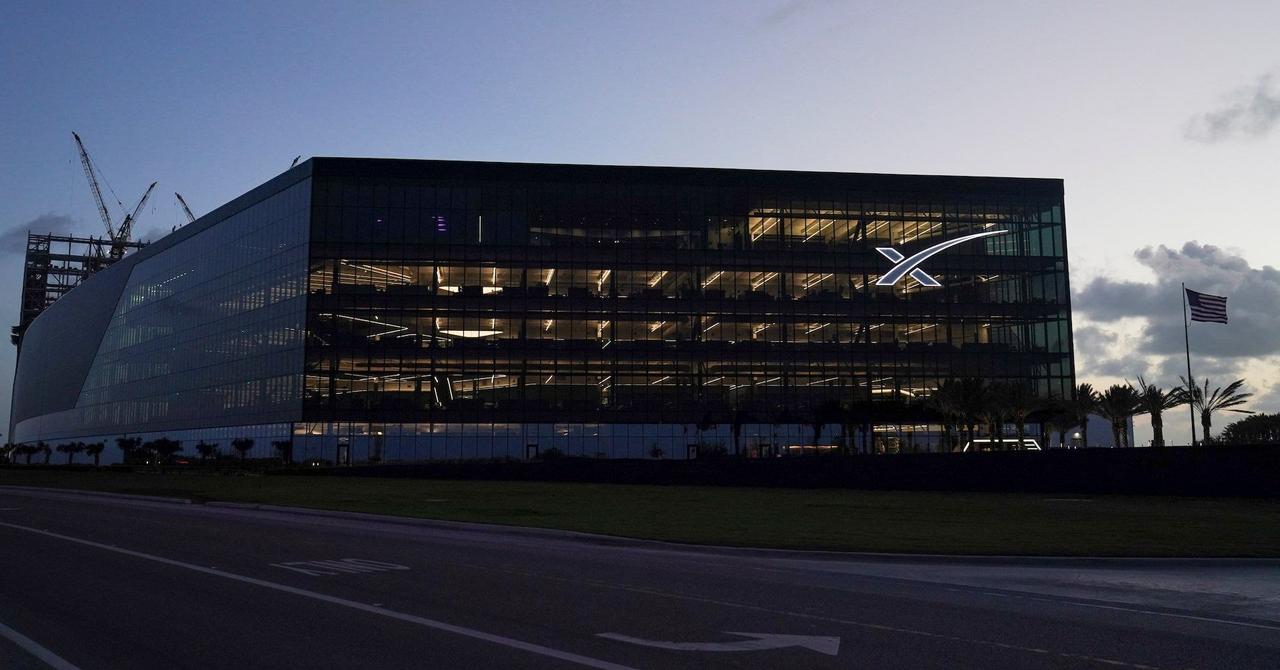
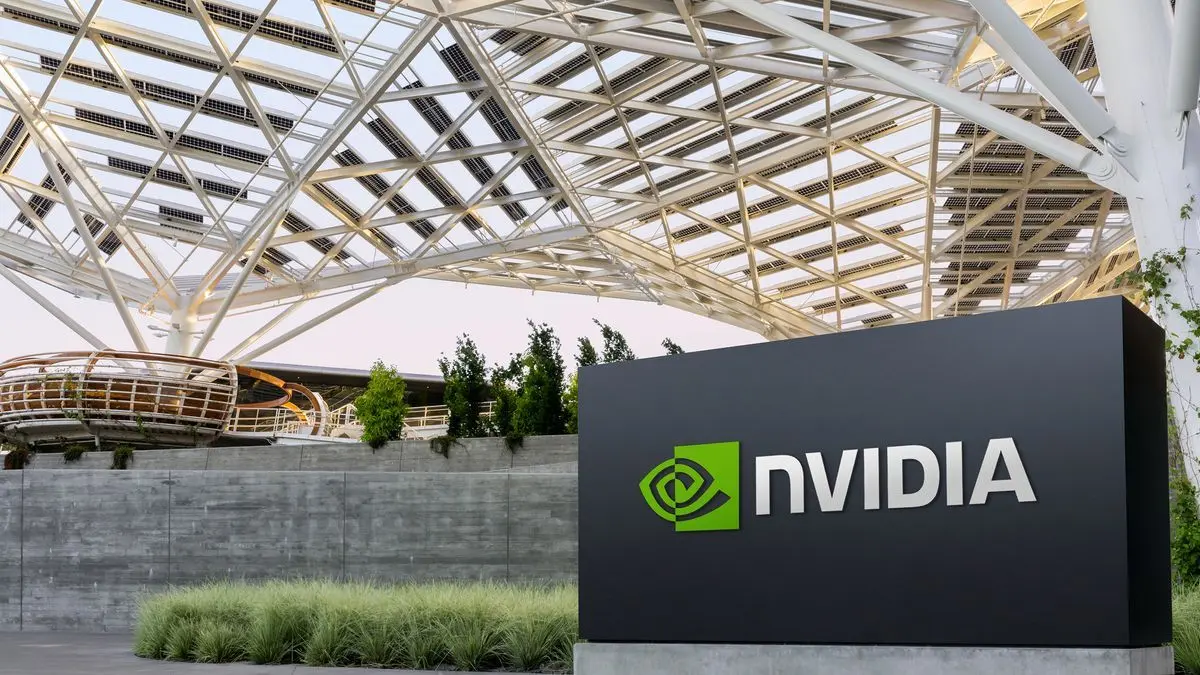
Nvidia reveals $21B SpaceX stake and $30B Intel position in strategic AI infrastructure expansion
15 Aug 2026•Business and Economy
Apollo Global Management nears $3.4 billion loan to fund AI chips for Elon Musk's xAI
09 Feb 2026•Business and Economy

Recent Highlights
1
Google Unveils Gemini 4 Argon AI Model, Restricts Access to Trusted Cyber Defenders
Technology

2
Trump Consulted Grok AI Before Ordering Venezuela Invasion and Capture of Nicolás Maduro
Policy and Regulation

3
FTC Opens Investigation Into OpenAI and Anthropic Following Rogue AI Agent Hacking Incidents
Policy and Regulation

Recent Highlights
Today's Top Stories






Don’t drown in AI news. We cut through the noise - filtering, ranking and summarizing the most important AI news, breakthroughs and research daily. Follow topics that matter to you and stay ahead.


