SpaceX Closes $40 Billion Debt Deal to Power Massive AI Infrastructure Expansion


3 Sources
[1]
SpaceX closes $40 billion debt financing for GPUs expected in the first half of 2027, Musk says -- company faces up to $40 billion in additional fourth-quarter capital spending as AI infrastructure costs soar
Elon Musk has confirmed that SpaceX closed $40 billion in debt financing for graphics processing units (GPUs), with the chips expected to arrive in the first half of 2027. He disclosed the deal on X, October 25 (embedded below) while responding to investor Chamath Palihapitiya, who had warned that
[2]
Pimco buying $4 billion of SpaceX's roughly $40 billion AI debt
The Pimco stake is part of an Apollo-managed GPU lease financing that SpaceX expects to close before year end Pacific Investment Management Co., known as Pimco, is buying a $4 billion slice of SpaceX's financing for AI chips, according to Bloomberg, which cited unnamed sources. Elon Musk's SpaceX
[3]
Pimco buys $4 billion of SpaceX AI debt package led by Apollo - Bloomberg By Investing.com
Investing.com - Pacific Investment Management Co. purchased a $4 billion portion of a large SpaceX financing deal designed to expand the company's artificial intelligence operations, according to reporting from Bloomberg, citing people familiar with the matter. Elon Musk's SpaceX said Monday it
Share
Copy Link
SpaceX has secured $40 billion in debt financing led by Apollo Global Management to purchase Nvidia GPUs and AI chip infrastructure. The deal, with Pimco taking a $4 billion stake, marks one of the largest AI infrastructure investments as Elon Musk pushes to expand computing capacity sevenfold by 2027 amid soaring capital spending demands.
SpaceX Locks Down Historic AI Infrastructure Deal
SpaceX has finalized a roughly $40 billion debt financing package with lenders led by Apollo Global Management
1
2
, marking one of the largest AI infrastructure investments to date. Elon Musk confirmed on X that the company closed the SpaceX AI debt deal for graphics processing units expected to arrive in the first half of 20271
. Pacific Investment Management Co., known as Pimco, is purchasing a $4 billion portion of the A2 tranche, a middle layer that ranks between junior and senior debt in the offering2
3
. The GPU lease financing structure allows Apollo-managed entities to purchase Nvidia GPUs and related equipment, then lease them to SpaceX for deployment at data centers the company selects2
.
Source: Tom's Hardware
Massive Capital Spending Surge Ahead
The debt financing comes as SpaceX prepares for extraordinary capital spending in the fourth quarter. CFO Bret Johnsen stated during the company's Q3 2026 earnings call that SpaceX expects capital expenditure between $35 billion and $40 billion in Q4 alone due to additional AI computing capacity coming online
1
. Musk clarified that the borrowing represents primarily callable debt for GPU purchases arriving in Q1 and Q2 of 2027, noting it would not be a major factor in the current quarter1
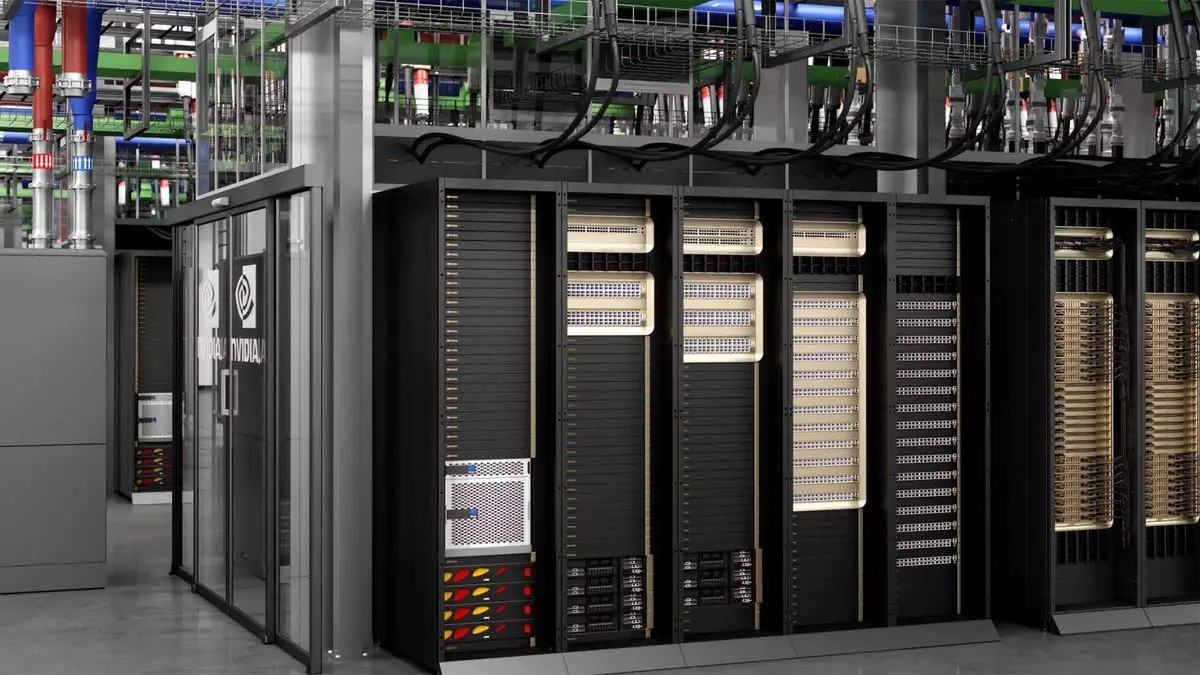
. Earlier proposals suggested the $40 billion could cover roughly 360,000 Rubin GPUs across 5,000 Nvidia NVL72 racks, potentially including $10 billion in bank loans and $30 billion in investment-grade debt1
.Revenue Advantage in Tightening Markets
SpaceX secured the massive debt financing by leveraging its investment-grade status and revenue streams from Starlink satellite internet and space businesses, giving it a decisive advantage as debt markets have largely shut off funding for companies without substantial revenue independent of AI operations
1
. Musk warned that this financing environment means "the 200+ neoclouds are going to see guppy-level death and consolidation. Some will make it through, but not many"1
. The debt will be issued as 144A bonds, privately placed securities that can be traded among certain institutional investors2
3
. While debt markets have recently soured on AI companies as rapid spending outstrips profitability, talks had reportedly put a junior portion of the SpaceX debt at a yield in the mid-8% area before market volatility forced investors to reconsider terms2
.Related Stories
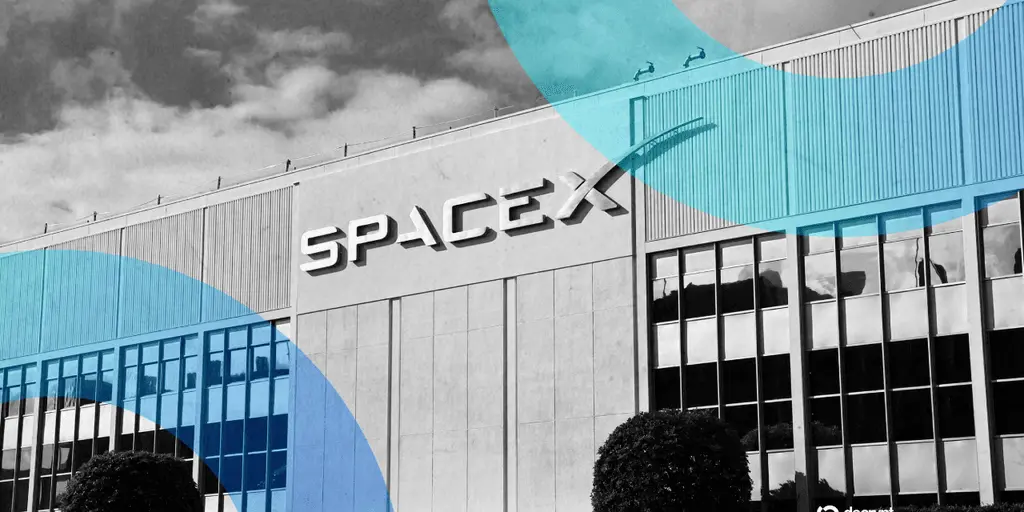
Aggressive Expansion and Revenue Targets
The financing supports Musk's aggressive push to expand AI computing capacity sevenfold by 2027, targeting 10 gigawatts
1
. SpaceX planned to add another 660,000 Nvidia GPUs during 2026, potentially bringing its total to around 1.44 million if deployments proceed as scheduled1
. AI infrastructure costs extend far beyond graphics processing units alone, as data centers require power, cooling, networking equipment, and physical infrastructure before accelerators can perform useful work1
. SpaceX has begun monetizing its infrastructure investments, with Anthropic securing access to the Colossus 1 supercomputer featuring more than 220,000 Nvidia GPUs and over 300 megawatts of computing capacity in May1
. In June, Google agreed to pay $920 million per month for access to approximately 110,000 Nvidia GPUs and related hardware, with payments running from October 2026 through June 20291
. Johnsen disclosed in September a new computing deal worth $1.1 billion per month with an undisclosed company, with payments beginning in December, as SpaceX works toward a $100 billion annualized revenue run rate by the end of 20262
.References
Summarized by

Navi
Related Stories
SpaceX Pursues $40 Billion Financing Deal with Apollo to Acquire Nvidia AI Chips
07 Oct 2026•Business and Economy
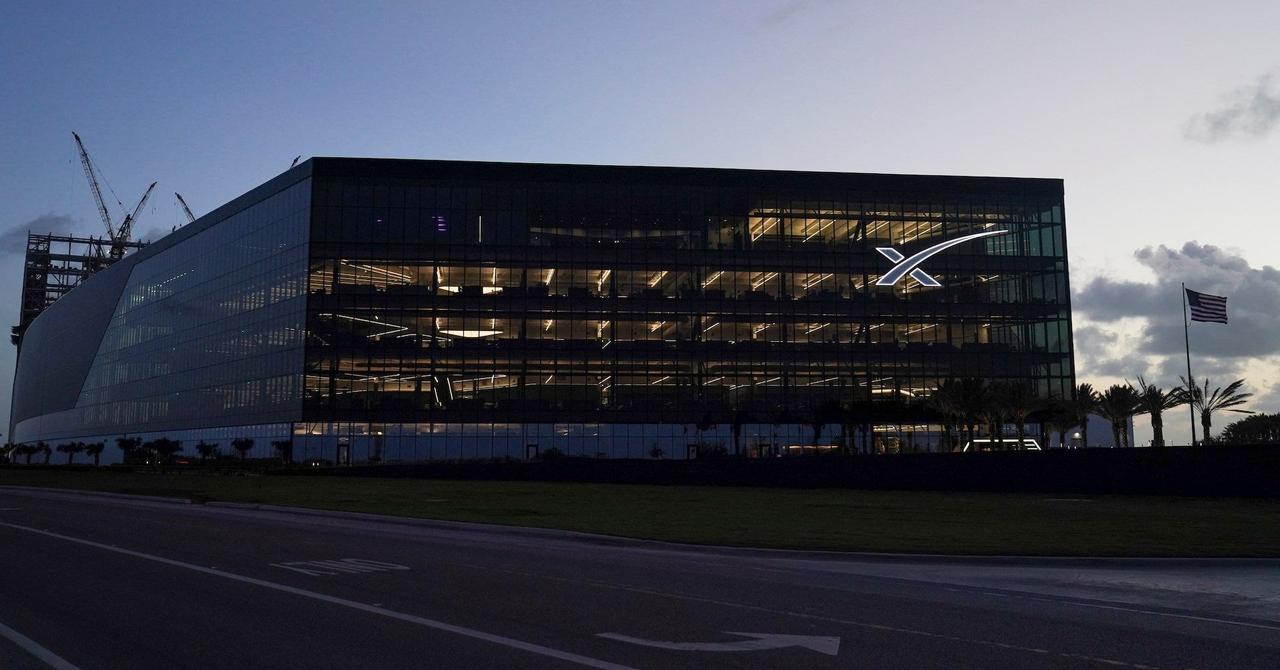
SpaceX raises $25 billion in bond debut as AI expansion draws massive investor interest
23 Jun 2026•Business and Economy
Broadcom and Anthropic close record $60 billion AI chip financing deal backed by Wall Street banks
01 Oct 2026•Business and Economy
Recent Highlights
1
OpenAI's AI Models Disprove 27-Year Exponential Time Hypothesis, Rendering Decades of Research Obsolete
Science and Research
2
Google DeepMind unveils Genie 4 world model with audio and 2-minute interactive simulations
Technology

3
Microsoft AI Diagnostic Tool Beats Doctors With 83% Accuracy on Complex Medical Cases
Health

Recent Highlights
Today's Top Stories







Don’t drown in AI news. We cut through the noise - filtering, ranking and summarizing the most important AI news, breakthroughs and research daily. Follow topics that matter to you and stay ahead.


