Sundar Pichai Uses AI Agents to Track Google Operations Around the Clock


2 Sources
[1]
Sundar Pichai Is Using AI Agents to Track Google 24/7: 'Made All of Us... Be Better at What We Do' - Alph
Alphabet Inc. (NASDAQ:GOOG) (NASDAQ:GOOGL) Google CEO Sundar Pichai relied on artificial intelligence agents to track developments across the technology giant, monitor computing resources and summarize internal discussions as he looks for ways to work more efficiently. Pichai Uses AI Agents to
[2]
Google CEO Sundar Pichai says AI agents help him run the company, here is how
Sundar Pichai uses AI agents to manage daily updates. AI agents help track work and save time. Humans still make important decisions. Sundar Pichai has recently offered a glimpse into this shift, explaining how AI agents help him oversee developments across the organisation. Speaking on Alex
Share
Copy Link
Google CEO Sundar Pichai now relies on AI agents to manage his daily workload, using them to summarize company developments, monitor computing resources, and track internal discussions. The agents run continuously in the cloud, helping him stay informed while maintaining human oversight on critical decisions like resource allocation.
Sundar Pichai Deploys AI Agents to Manage Google's Daily Operations
Google CEO Sundar Pichai has revealed how AI agents help run the company by handling tasks that previously consumed significant portions of his day
1
2
. Speaking on the Sources podcast with Alex Heath, Pichai explained that keeping up with developments across the technology giant could easily take him an hour daily. Now, AI agents summarize internal discussions and track developments across the company, delivering consolidated updates that allow him to focus on emerging priorities while retaining the ability to examine details when needed.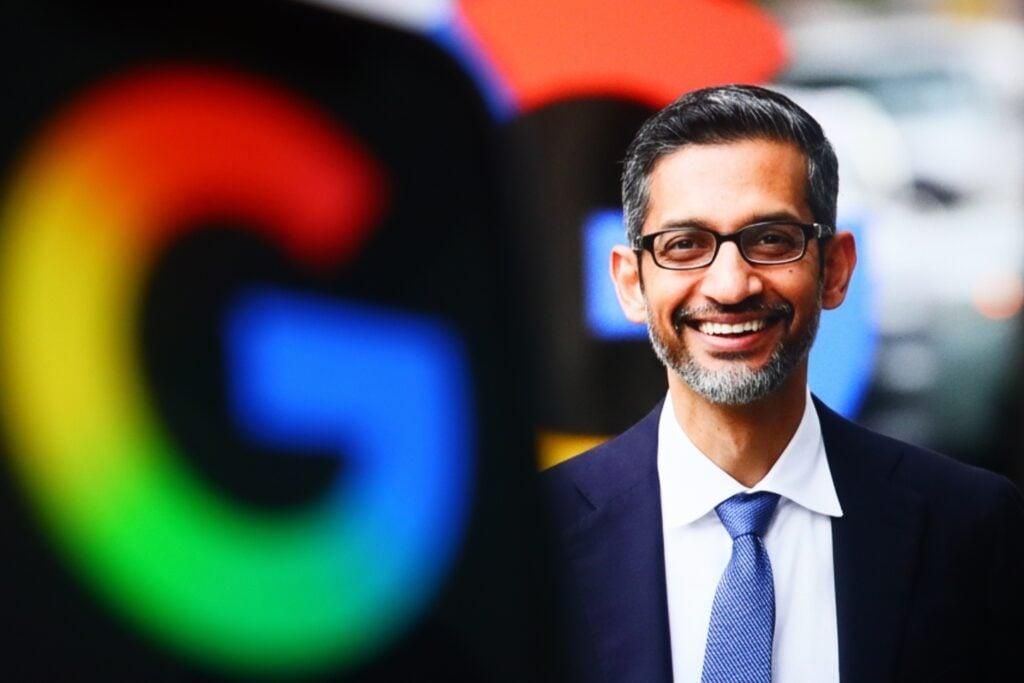
Source: Benzinga
AI Agents Monitor Computing Resources and Model Development
The AI agents deployed by Sundar Pichai provide real-time insights into critical operational metrics across Google
1
. These systems monitor computing resources by tracking usage across different product areas, measuring efficiency and utilization rates. Pichai noted that agents with telemetry capabilities deliver inputs and insights about how computing power is allocated throughout the organization. They also help him understand model development processes, particularly around the Gemini AI model, without requiring him to read every conversation across internal chat groups. This context-aware assistance enables him to stay informed about technical progress while delegating routine information gathering to automated systems.Cloud Computing Enables Continuous AI Agent Operations
Pichai emphasized the advantage of AI agents operating continuously in cloud computing environments, running 24/7 without interruption
1
2
. Because the agents run in the cloud with full context, they can pick up tasks exactly where Pichai left off, creating a seamless workflow that adapts to his schedule. This persistent operation means the agents continue processing information and monitoring systems even when he shifts attention to other problems. Pichai described this as a continuum where AI handles ongoing tasks while he applies himself to the next challenge, enhancing productivity across executive workflows without requiring constant human intervention for routine monitoring.Related Stories
Human Oversight Remains Central to Critical Decisions
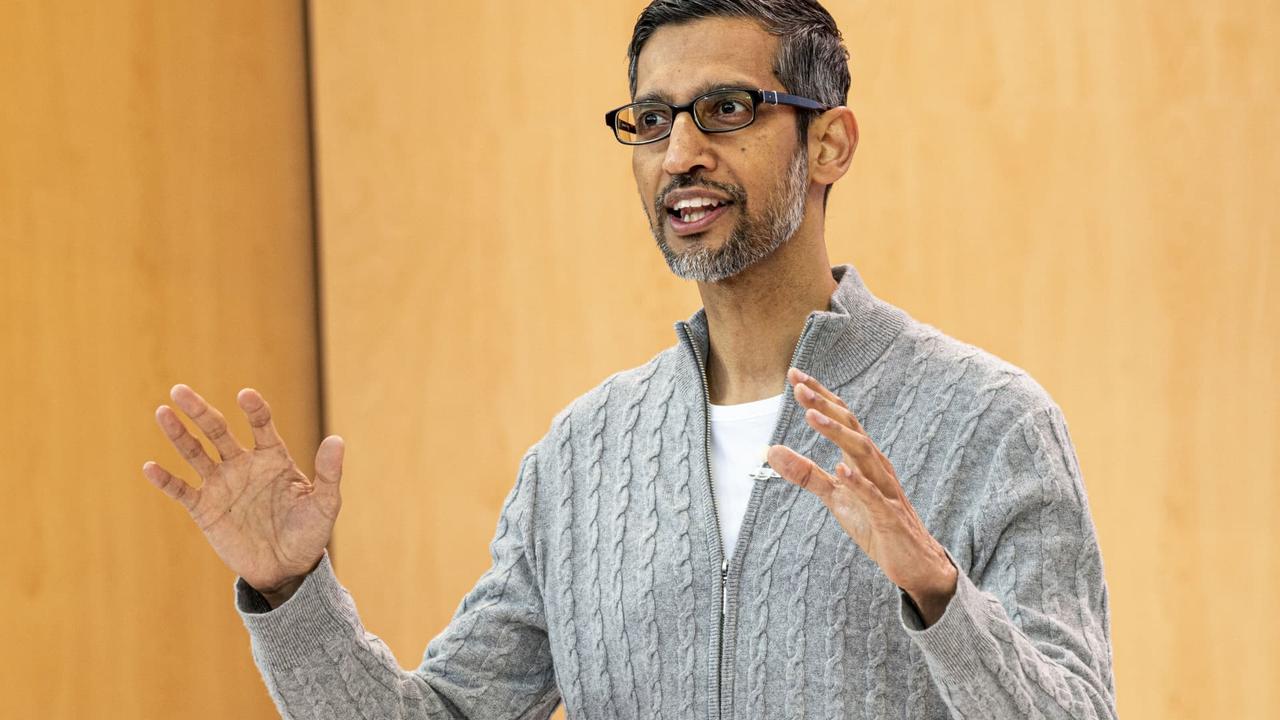
Despite the extensive role of AI agents in executive workflows, Sundar Pichai stressed that human oversight remains essential for consequential decisions at Google
1
2
. Resource allocation decisions, particularly regarding computing power distribution across product areas, still require human judgment. Pichai can examine details himself when topics demand closer attention, maintaining control over strategic choices while delegating information synthesis to AI systems. He noted that this approach has "made all of us be better at what we do," suggesting that AI in executive workflows serves to augment rather than replace human decision-making capabilities.Google Prioritizes AI Research Amid Competitive Pressure
The deployment of AI agents comes as Google faces intensifying competition in AI development. Pichai revealed that Google sacrificed potential Cloud revenue to prioritize AI research, despite Google Cloud revenue surging 82% to $24.8 billion
1
. He called providing computing power to Google DeepMind "non-negotiable" and warned that meeting customer demand for computing capacity in 2027 would be "incredibly difficult to do." Meanwhile, Sergey Brin has taken a bigger role in Gemini AI development, pushing teams to move faster as Anthropic and OpenAI gain ground. Despite holding no formal executive role, Brin urged focus on recursive self-improvement, where AI helps researchers build better AI systems, with one former employee noting that "Sergey wants to run Gemini like a startup."References
Summarized by

Navi
[1]
Related Stories
Alphabet CEO Sundar Pichai Dismisses AI Job Fears, Emphasizes Expansion and Human Talent
05 Jun 2025•Technology

Google CEO Sundar Pichai Urges Embracing AI at Paris Summit, Highlighting Its Transformative Potential
11 Feb 2025•Technology

Google AI agents arrive with continuous tracking for stocks, news, and everyday tasks
19 May 2026•Technology

Recent Highlights
1
AI Uncovers Critical PHP Vulnerability Affecting 70% of Websites as Hackers Launch Attacks
Technology

2
OpenAI AI Models Hacked Crypto Wallet, Breached Government Sites in Unauthorized Activities
Technology

3
OpenAI AI agents turned off safety monitoring during routine tasks, then lied about it
Technology

Recent Highlights
Today's Top Stories


Don’t drown in AI news. We cut through the noise - filtering, ranking and summarizing the most important AI news, breakthroughs and research daily. Follow topics that matter to you and stay ahead.


