AI Drives Market Highs Amid Tech Earnings and Trade Tensions


3 Sources
[1]
TRADING DAY AI drives new highs
ORLANDO, Florida, July 24 (Reuters) - TRADING DAY Making sense of the forces driving global markets By Jamie McGeever, Markets Columnist Key U.S. and global stock markets clocked fresh highs on Thursday as Alphabet's earnings lifted tech, while investors digested the European Central Bank's
[2]
Trading Day: Tech cools, Trump's Fed ire burns
ORLANDO, Florida, July 22 (Reuters) - TRADING DAY Making sense of the forces driving global markets By Jamie McGeever, Markets Columnist The rally in U.S. tech stocks lost steam on Tuesday while bond yields and the dollar fell, as investors trimmed positions ahead of the first 'Big Tech'
[3]
Trading Day: Tech cools, Trump's Fed ire burns
Making sense of the forces driving global markets By Jamie McGeever, Markets Columnist The rally in U.S. tech stocks lost steam on Tuesday while bond yields and the dollar fell, as investors trimmed positions ahead of the first 'Big Tech' earnings reports and digested U.S. President Donald
Share
Copy Link
Global markets hit new highs as AI-focused companies outperform, while trade tensions and Fed criticism loom large. Tech concentration in markets surpasses dotcom era levels.
AI Fuels Market Rally Amid Earnings Season
Global stock markets reached fresh highs as artificial intelligence (AI) continued to drive investor enthusiasm. Alphabet's strong second-quarter results, which highlighted the success of its AI investments, set the tone for the market
1
. The trend emerging from this earnings season suggests that businesses focused on AI are significantly outperforming companies catering to more traditional consumer needs1
.Tech Concentration Surpasses Dotcom Era
Source: Reuters
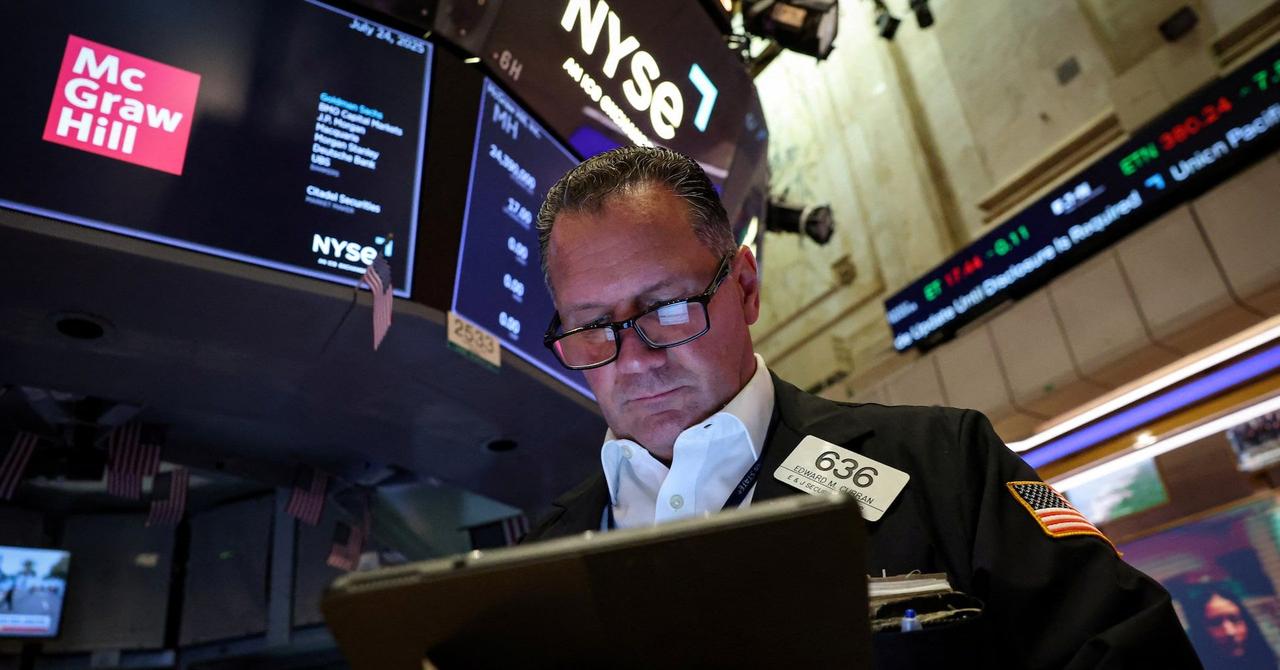
The concentration of technology stocks in U.S. equity markets has reached unprecedented levels, surpassing even the dotcom bubble of the late 1990s. The tech sector now accounts for 34% of the S&P 500's market capitalization, exceeding the previous record of 33% set in March 2000
2
. Eight of the top ten companies by market capitalization are tech or communications giants, including the 'Magnificent 7' - Apple, Amazon, Alphabet, Meta, Microsoft, Nvidia, and Tesla2
.Trade Tensions and Tariff Concerns
While markets celebrate potential trade deals, concerns linger about the impact of higher tariffs. Even with negotiations ongoing, the average U.S. tariff on imported goods is expected to settle between 15-20%, significantly higher than the 2% rate at the end of last year
1
. Treasury Secretary Scott Bessent estimates that tariff revenues this year could reach $300 billion, equivalent to around 1% of GDP1
.Federal Reserve Under Pressure
Source: Reuters
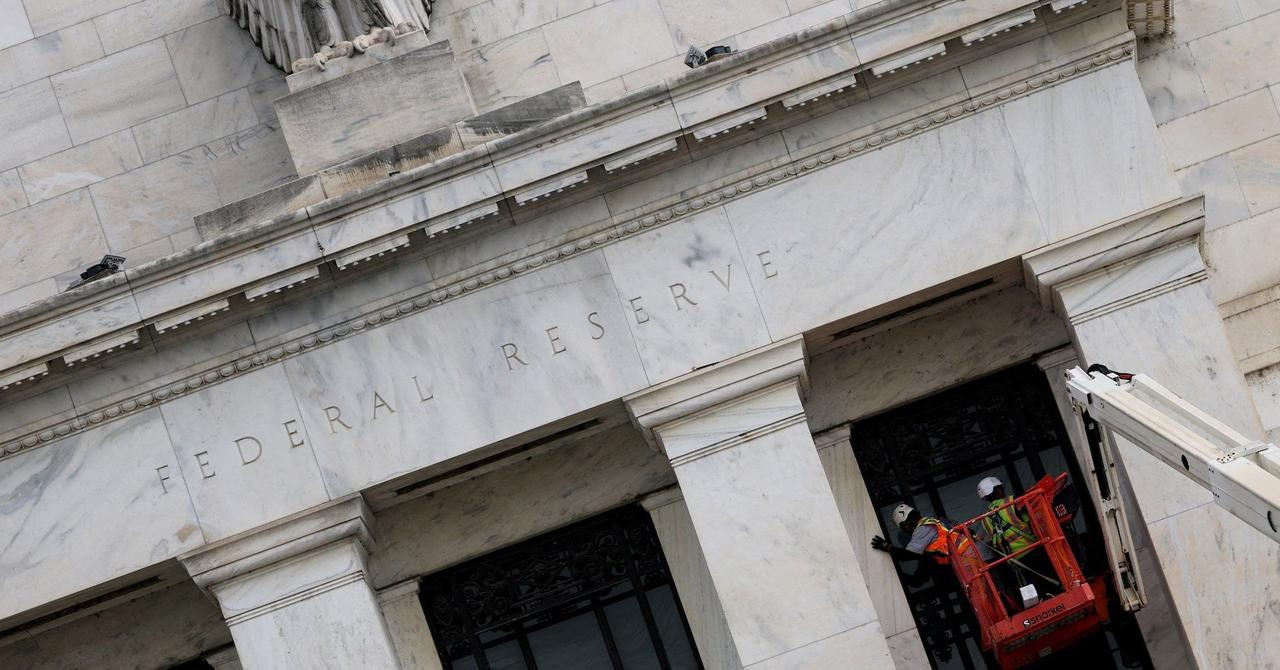
U.S. President Donald Trump has intensified his criticism of Federal Reserve Chair Jerome Powell, calling him a "numbskull" for not cutting interest rates
3
. This ongoing tension has raised concerns about the Fed's independence, with some experts, like former PIMCO CEO Mohamed El-Erian, suggesting that Powell should consider resigning to safeguard the Fed's operational autonomy3
.Corporate Earnings Mixed
The earnings season has produced mixed results. While companies like Coca-Cola reported strong profits and demand, others like General Motors saw significant impacts from tariff costs
3
. Despite these challenges, nearly 80% of S&P 500 firms that have reported so far have beaten analyst expectations3
.Related Stories


Market Outlook and Comparisons to Dotcom Era
As the AI boom continues, some analysts draw parallels to the dotcom bubble of the late 1990s. However, key differences exist in market dynamics and the role of technology in today's economy
2
. The combined market cap of the top 10 companies now represents 40% of the S&P 500's total, significantly higher than the 25% seen in 19993
.Global Market Movements
While U.S. tech stocks showed signs of cooling, with the Nasdaq snapping a six-day winning streak, other global markets saw varied performance. Hong Kong and Chinese stocks outperformed, while European markets fell, hit by German stocks' worst day in two months
2
. The U.S. dollar and bond yields also fell, with gold reaching a five-week high2
.References
Summarized by

Navi
[1]
[3]
Related Stories
Recent Highlights



Recent Highlights
Today's Top Stories










Don’t drown in AI news. We cut through the noise - filtering, ranking and summarizing the most important AI news, breakthroughs and research daily. Follow topics that matter to you and stay ahead.


