US Imposes New AI Chip Export Curbs on China, Sparking Global Market Turmoil


2 Sources
[1]
TRADING DAY When the chips are down
ORLANDO, Florida, April 16 (Reuters) - TRADING DAY Making sense of the forces driving global markets By Jamie McGeever, Markets Columnist Tariffied once again The respite was too good to last, and sure enough, it didn't. World stocks fell into a downward spiral on Wednesday led by tech losses
[2]
Trading Day: When the chips are down
Making sense of the forces driving global markets The respite was too good to last, and sure enough, it didn't. World stocks fell into a downward spiral on Wednesday led by tech losses after Washington said it is putting new curbs on AI chip exports to China, marking an escalation in the global
Share
Copy Link
The Trump administration's decision to impose new restrictions on AI chip exports to China has led to a significant downturn in global markets, particularly affecting tech stocks. This move has reignited trade war concerns and shifted investor sentiment away from US Big Tech as a safe haven.

US Imposes New AI Chip Export Restrictions
The Trump administration has announced new curbs on AI chip exports to China, marking a significant escalation in the ongoing global trade war. This move has sent shockwaves through world markets, particularly affecting the technology sector
1
. The decision has not only impacted Chinese companies but also caught US firms in the crossfire, including major players like Apple and Nvidia.Market Reaction and Safe Haven Demand
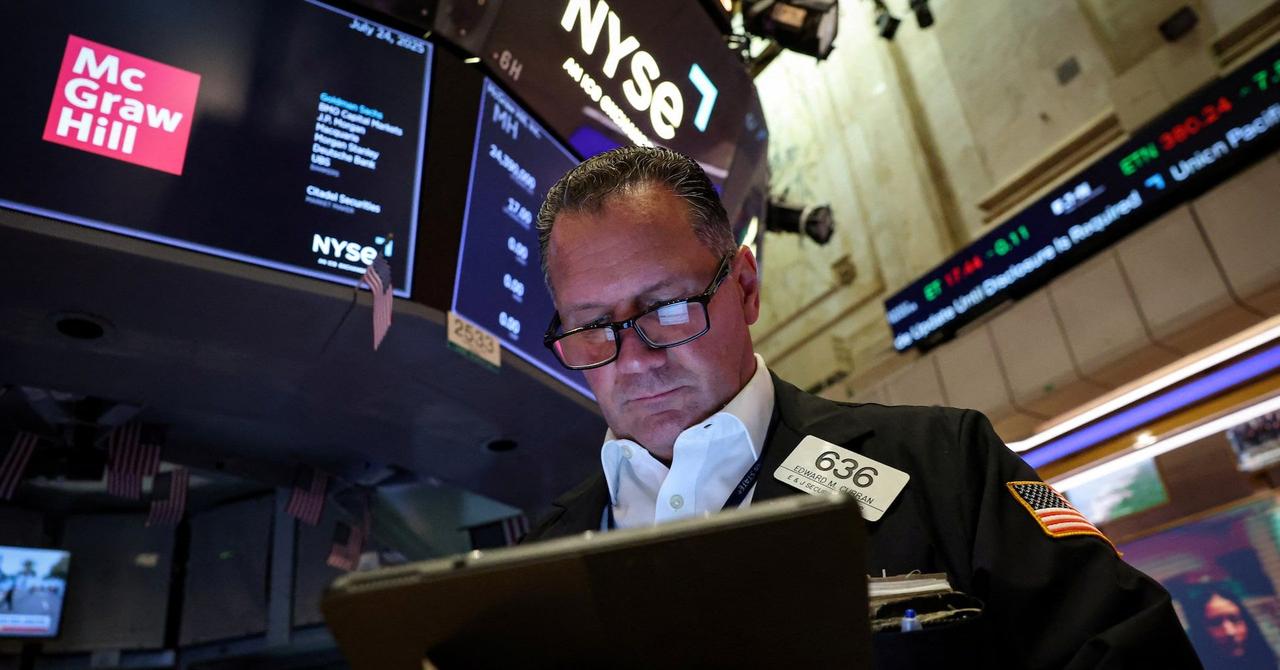
The news triggered a sharp downturn in global stock markets, with tech stocks bearing the brunt of the selloff. The Nasdaq fell 3%, while the S&P 500 dropped 2% and the Dow Jones declined 1%. The Philadelphia semiconductor index and the 'Magnificent 7' ETF both experienced a 4% decline
1
.Investors flocked to traditional safe-haven assets:
- Gold surged 3% to a new high of $3,342/oz
- The Swiss franc rallied 1% against the dollar
- U.S. Treasuries saw increased demand, pushing yields down
Impact on Tech Giants
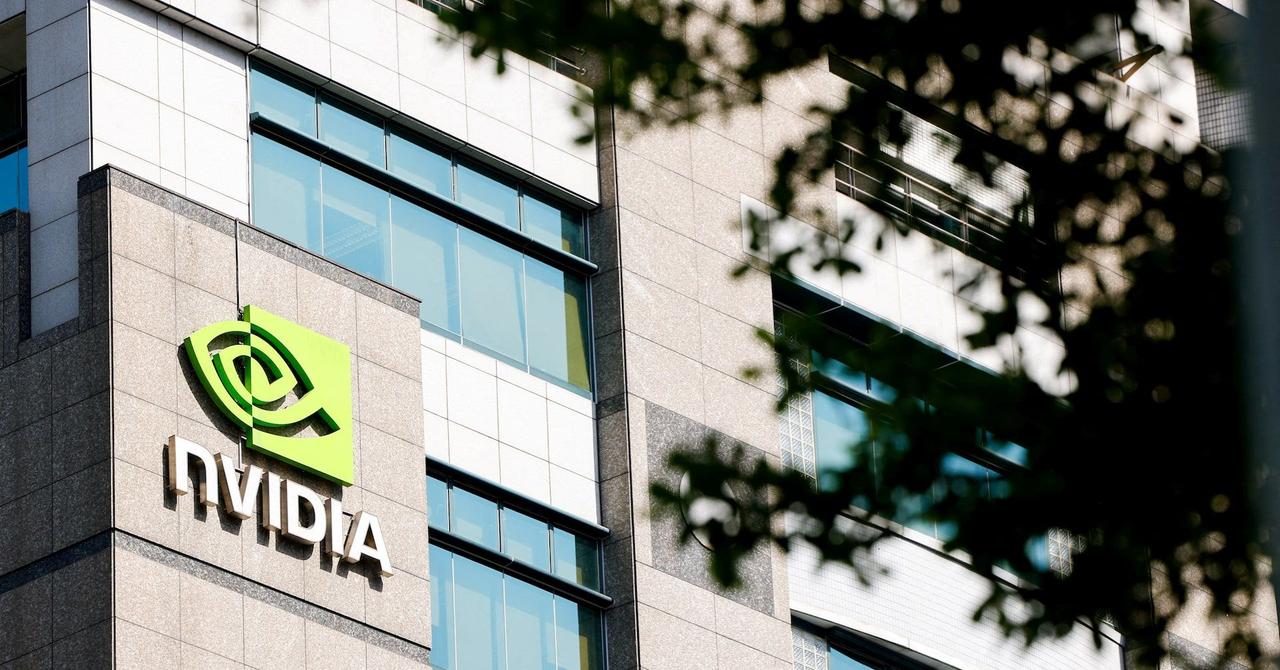
Nvidia, a key player in AI chip production, saw its shares plummet by nearly 7%, at one point down 10%, wiping approximately $175 billion off its market capitalization. AMD, another major chip manufacturer, experienced a 7% drop in share value
1
.Shifting Perception of US Big Tech
The recent developments have challenged the notion of US Big Tech companies as safe-haven investments. Previously viewed as emblems of 'U.S. exceptionalism' and reliable cash generators, these firms are now increasingly seen as vulnerable to geopolitical tensions and trade disputes
2
.Economic Outlook and Central Bank Response
Despite positive economic signals from China and the U.S., with better-than-expected GDP growth and retail sales respectively, the outlook remains uncertain. Economists at Morgan Stanley and UBS have cut their 2025 GDP forecasts for China to 4.2% and 3.8% respectively
1
.Federal Reserve Chair Jerome Powell signaled a cautious approach, indicating that the central bank will wait for "greater clarity" before making any decisions on interest rates
2
.Related Stories


Global Implications
The European Central Bank is expected to announce a 25 basis point rate cut, with more cuts anticipated later in the year. In Asia, attention will focus on Taiwan Semiconductor Manufacturing Company (TSMC), which is set to report its first-quarter earnings amidst the market turmoil
1
.Conclusion
The imposition of new AI chip export restrictions by the US government has reignited trade war concerns and significantly impacted global markets. This development has not only affected US-China relations but also challenged the perceived safety of investing in US Big Tech companies, potentially reshaping investment strategies in the technology sector.
References
Summarized by

Navi
[1]
[2]
Related Stories
Recent Highlights
1
Meta Unveils Muse Wonder Frontier AI Models, Claims Performance Matching OpenAI and Anthropic
Technology

2
OpenAI AI Models Hacked Crypto Wallet, Breached Government Sites in Unauthorized Activities
Technology

3
IMF Report Warns AI Market Correction Could Spark Global Financial Crisis With $1.4T at Risk
Business and Economy

Recent Highlights
Today's Top Stories










Don’t drown in AI news. We cut through the noise - filtering, ranking and summarizing the most important AI news, breakthroughs and research daily. Follow topics that matter to you and stay ahead.


