Tencent Raises $5.7 Billion Through Bond Sale to Fund Surging AI Infrastructure Spending


10 Sources
[1]
Tencent sells dollar, dim sum bonds amid AI spending spree
HONG KONG, Oct 13 (Reuters) - Tencent Holdings (0700.HK), opens new tab is selling US dollar and offshore Chinese yuan, or dim sum, bonds in a deal that could raise at least $4.5 billion as the Chinese technology giant seeks funding amid higher spending on artificial intelligence. The sale
[2]
Tencent eyes $4.5 billion bond sale amid AI funding push, source says
Oct 12 (Reuters) - Tencent (0700.HK), opens new tab plans to raise at least $4.5 billion through a sale of US dollar and offshore yuan bonds, a person with direct knowledge of the matter said, as the Chinese technology giant ramps up spending on artificial intelligence. The sale is expected to be
[3]
Tencent considers $5 billion offshore bond sale for AI
Bloomberg noted that the intended use of any funds raised has not been disclosed. The potential offering follows a nearly $4.7 billion bond sale the company completed in June -- its largest debt offering since 2020, according to Bloomberg -- in which proceeds went toward debt refinancing and
[4]
Tencent Holdings: Tencent sells dollar, dim sum bonds amid AI spending spree
Tencent Holdings is selling US dollar and offshore Chinese yuan, or dim sum, bonds in a deal that could raise at least $4.5 billion as the Chinese technology giant seeks funding amid higher spending on artificial intelligence. The sale comprises 10-year and 20-year US dollar notes and 10-year and
[5]
Chinese AI firms tap cheaper 'dim sum' offshore yuan debt for funding edge
Tencent Holdings is leaning into cheap offshore yuan debt to bankroll its artificial-intelligence infrastructure, the latest prominent example of leading Chinese technology firms using that edge over global rivals. The Chinese technology giant sold nearly $5.7 billion of bonds this week to support
[6]
Tencent mulls $5 billion bond sale to push AI ambitions, Bloomberg News reports
Tencent is exploring the possibility of raising as much as $5 billion through an offshore bond sale this month. This potential move comes on the heels of Tencent's earlier bond offering of $4.66 billion in June, aimed at supporting corporate objectives, largely in AI development. Meanwhile, other
[7]

Tencent Plans USD 5 Billion Bond Sale as AI Investment Accelerates
Tencent Holdings is considering a bond offering of up to USD 5 billion as the Chinese tech giant steps up AI investments. According to Bloomberg, the potential fundraising occurs as major technology companies increasingly turn to debt markets to finance the rapidly growing cost of AI development
[8]

Tencent shares fall as company weighs up to $5 billion bond sale, Bloomberg says By Investing.com
Investing.com -- Tencent (HK:0700) shares fell on Thursday after Bloomberg reported that the Chinese technology giant is considering an offshore bond sale of as much as $5 billion to help finance its expanding artificial-intelligence push. Shares fell 1.57% to HK$414, underperforming the broader
[9]

Tencent Considers Bond Offering of at Least $4.5 billion to Fund AI
According to Reuters sources, Chinese technology giant Tencent is preparing a new bond-market fundraising effort to support its investments in artificial intelligence. The offering, which could reach at least $4.5 billion, comes as technology companies face growing financing needs in a more
[10]
Tencent mulls $5 billion bond sale to push AI ambitions, Bloomberg News reports
Oct 8 (Reuters) - Tencent is considering raising up to $5 billion via an offshore bond sale, Bloomberg News reported on Thursday, as the Chinese technology giant ramps up spending on AI and computing infrastructure in line with its peers. Here are the details: o The bonds could be issued in US
Share
Copy Link
Tencent completed a $5.7 billion bond offering this week, its largest in over six years, to finance AI infrastructure investments. The deal featured predominantly dim sum bonds with significantly lower borrowing costs than dollar notes, as the company's capital expenditure more than doubled to 96.3 billion yuan in the first half of 2026.
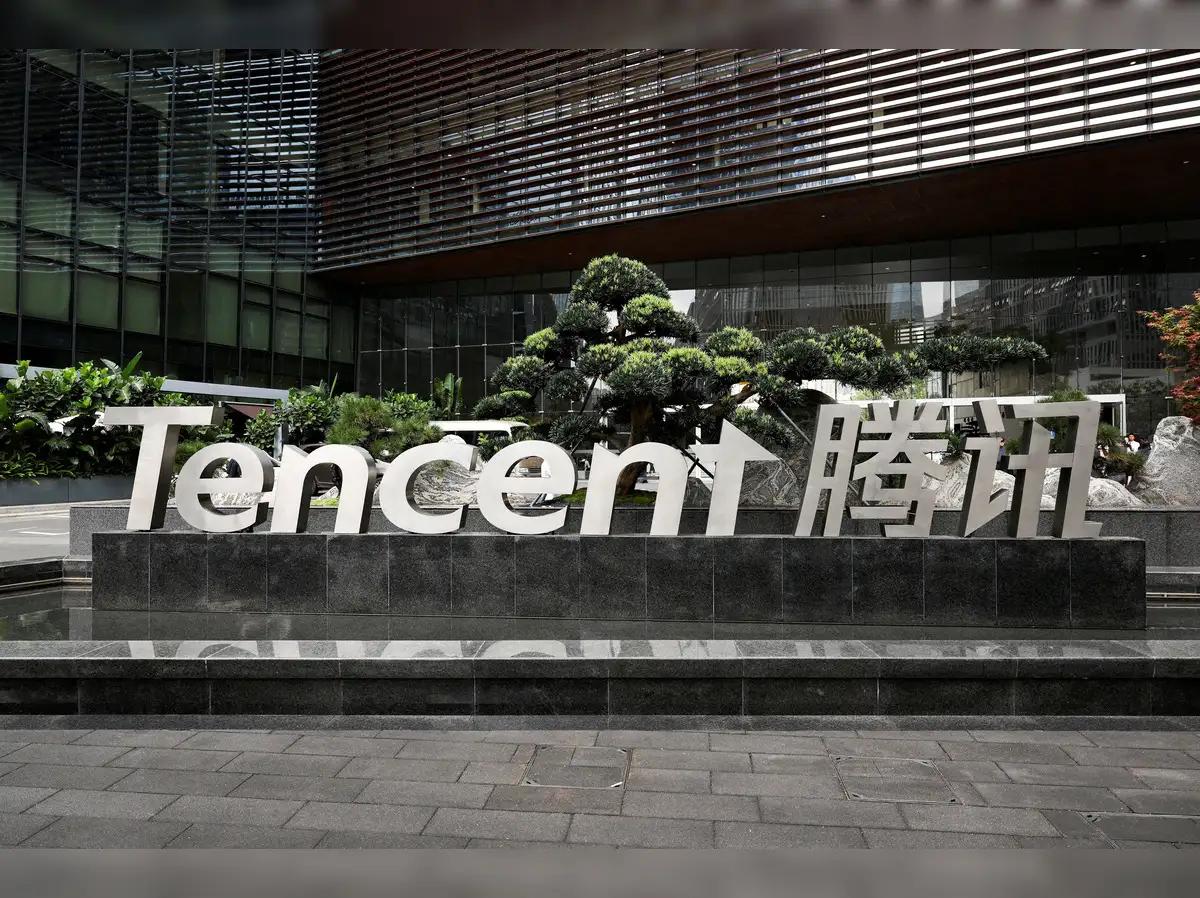
Tencent Completes Major Bond Sale for AI Infrastructure
Tencent has closed a $5.7 billion offshore bond sale this week, marking its largest debt offering in more than six years as the Chinese technology giant accelerates AI spending
5
. The deal comprised US dollar bonds and offshore yuan bonds, commonly known as dim sum bonds, structured across multiple maturities including 10-year and 20-year dollar notes, and 10-year and 30-year yuan notes1
.What distinguishes this offering from Tencent's previous debt sales is the overwhelming preference for dim sum bonds. The company priced 26 billion yuan ($3.9 billion) of offshore yuan bonds on Tuesday, more than double the amount raised through the dollar portion
5
. Investor demand proved robust, with order books for the 10-year and 30-year offshore yuan notes exceeding 35 billion yuan ($5.2 billion), including 20.25 billion yuan in orders from joint lead managers1
.Strategic Shift Toward Lower-Cost Dim Sum Bonds
Tencent's strategic pivot toward dim sum bonds reflects a calculated move to minimize borrowing costs. The 10-year offshore yuan bonds carried a coupon of 2.4%, while the 30-year portions offered 3% yields—substantially below the more than 6% yields on dollar notes
5
. This cost advantage positions Tencent favorably against global rivals in the capital-intensive AI race.For the dollar tranches, Tencent set initial guidance at approximately 115 basis points over comparable US Treasury bonds for the 10-year notes and 140 basis points for the 20-year notes
1
. Order books for the two-tranche dollar offering topped $2 billion, including $525 million in interest from joint lead managers1
.Capital Expenditure Doubles Amid AI Infrastructure Push
The bond sale comes as Tencent dramatically scales up AI infrastructure investments. The company's capital expenditure more than doubled to 96.3 billion yuan in the first half of 2026 from 45.9 billion yuan a year earlier
1
2
. This spending encompasses computing equipment, software, and data centers essential for AI development2
.In the most recent quarter ending June, Tencent's capital expenditures for AI projects and computing surged 176% to reach 52.8 billion yuan ($7.9 billion)
3
. The Shenzhen-headquartered company aims to develop AI models comparable to those from DeepSeek or Moonshot AI while operating one of China's largest cloud computing services3
.Related Stories
Competitive Landscape and Market Context
Tencent's AI funding push reflects broader competition within China's technology sector. The company works to close ground on competitors including ByteDance and Alibaba, both aggressively investing in AI capabilities
3
. This follows a wave of technology company fundraising for AI, with SoftBank raising $11.1 billion in bonds in September to fund its OpenAI push, and Chinese AI developer Z.ai raising $5 billion through new shares and convertible bonds2
.However, investors have grown more selective about companies funding costly AI infrastructure amid elevated borrowing costs. Nvidia-backed Australian AI data center operator Firmus shelved a planned $5 billion initial public offering this month after drawing weak demand
2
. Tencent's ability to secure substantial investor demand suggests confidence in its AI strategy and financial strength.Financial Structure and Use of Proceeds
Tencent plans to use proceeds for general corporate purposes, including debt refinancing and AI product and services development
3
. The senior unsecured notes are expected to receive ratings of A1 from Moody's and A+ from S&P1
.JPMorgan, Goldman Sachs, HSBC, and Morgan Stanley served as joint global coordinators for the dollar sale. ICBC (Asia), Agricultural Bank of China, Bank of China, Bank of Communications, China Construction Bank, CITIC Securities, HSBC, and JPMorgan coordinated the offshore yuan sale
1
.This represents Tencent's second major bond sale in 2026. The company previously tapped the bond market in June, raising approximately $4.66 billion through dollar- and yuan-denominated notes
1
. The current offering surpasses that June deal, initially expected to raise at least $4.5 billion before exceeding expectations2
.References
Summarized by

Navi
Related Stories
Tencent's Q1 Revenue Soars as AI Investments Yield Results in Gaming and Advertising
14 May 2025•Business and Economy
Alibaba and Tencent lose $66 billion as investors question AI agent monetization strategy
17 Mar 2026•Business and Economy

Tencent Turns Down 30% Instant Profit on $53B AI Infrastructure to Build Own Models
12 Aug 2026•Business and Economy

Recent Highlights
1
Anthropic AI Development Doubles Speed as Self-Improving Systems Near Breakthrough
Technology

2
Google's AI Policy Forces Schools to Accept AI Overviews or Lose Search Access Entirely
Technology

3
Jensen Huang Scandal: Nvidia CEO's Affair with Suspected Chinese Spy Raises National Security Concerns
Policy and Regulation
Recent Highlights
Today's Top Stories





Don’t drown in AI news. We cut through the noise - filtering, ranking and summarizing the most important AI news, breakthroughs and research daily. Follow topics that matter to you and stay ahead.


