Tesla Rolls Out Limited Autopilot Update in China, Faces Stiff Competition


3 Sources
[1]
Tesla updates autopilot software in China, owners say move falls short of hopes
Tesla's new autopilot software update in China introduces city navigation features but falls short of expectations, frustrating Chinese owners. The features, part of the Full Self-Driving suite, are limited due to data training issues and technological restrictions. Chinese rivals like Xiaomi and
[2]
Tesla to add city navigation features to software in China
SHANGHAI, Feb 25 (Reuters) - Tesla (TSLA.O), opens new tab on Monday told customers in China it will update the "Autopilot" software in their cars to add driving-assistance features for navigating city streets. The U.S. electric vehicle maker, in a notification on its app, said capabilities will
[3]
Tesla Moves One Step Closer to Self-Driving Cars in China
Elon Musk, the chief executive of Tesla, tried for years to convince Chinese regulators to let him offer self-driving capabilities in one of the company's most important markets. After a series of false starts, Mr. Musk is now closer than ever. Tesla said on Tuesday that some of drivers in China
Share
Copy Link
Tesla introduces a city navigation update to its Autopilot software in China, but falls short of full self-driving capabilities due to regulatory and technological challenges. The move highlights Tesla's struggle to maintain its competitive edge in the Chinese EV market.

Tesla's Autopilot Update in China: A Step Forward, Yet Short of Expectations
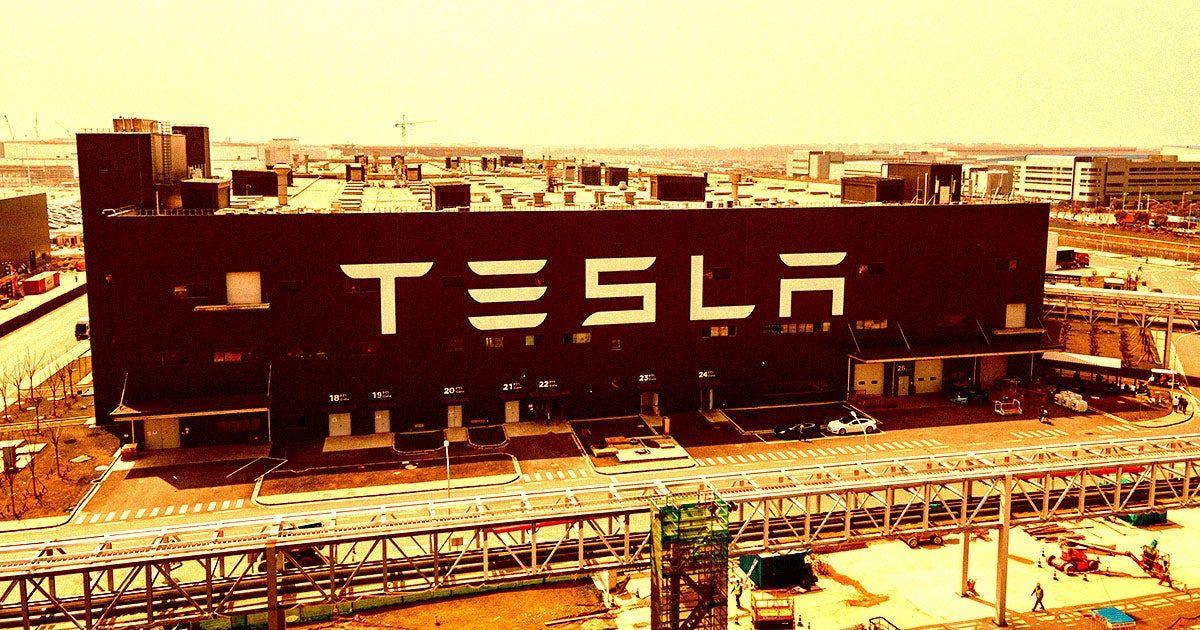
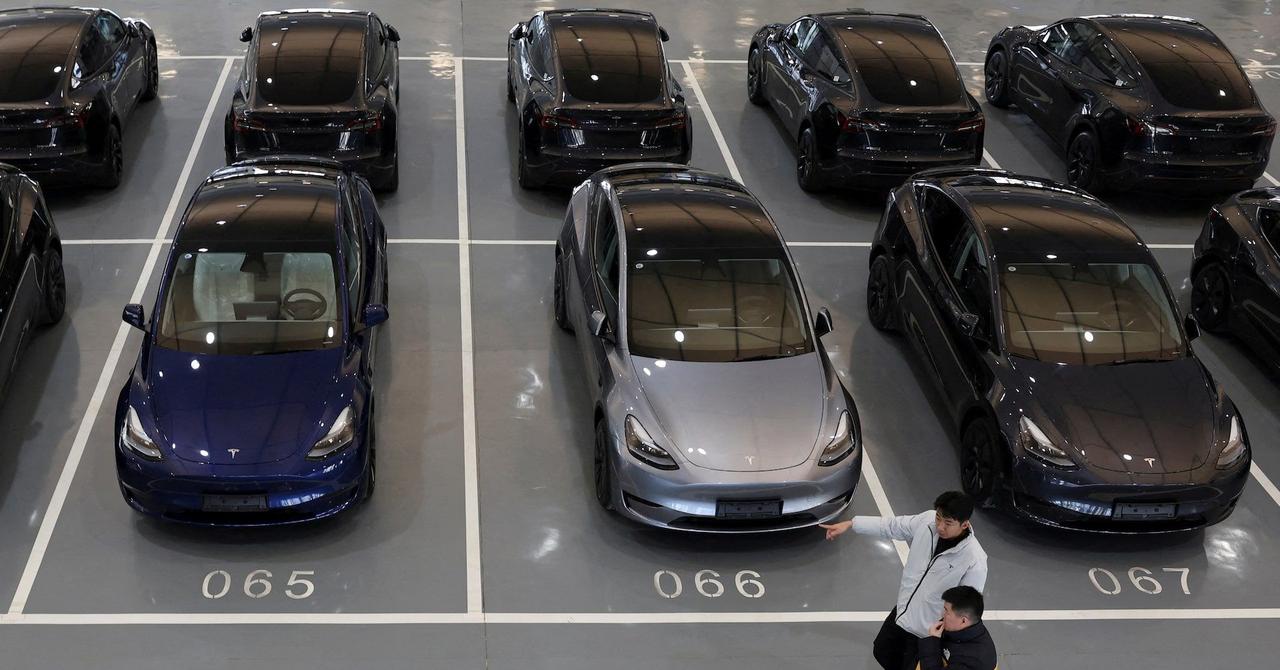
Tesla has rolled out a long-awaited update to its Autopilot software in China, introducing city navigation features that bring it closer to the capabilities of its Full Self-Driving (FSD) suite. However, the update has fallen short of expectations, leaving many Chinese Tesla owners frustrated
1
.New Features and Limitations
The update includes automatic lane-changing based on speed and route, traffic light detection at intersections, and decision-making for turns. An in-car camera will also monitor driver attention
2
. However, these features are less advanced than those available in the United States due to insufficient data training on Chinese roads and traffic rules1
.Regulatory and Technological Challenges
Elon Musk, Tesla's CEO, has cited technology restrictions imposed by both U.S. and Chinese governments as a significant hurdle in deploying full FSD capabilities in China
2
. The company faces challenges in data transfer and training:- Chinese regulations prevent Tesla from taking data out of the country to train driving models.
- U.S. authorities do not allow Tesla to train its self-driving systems in China
3
.
To work around these limitations, Tesla has been using publicly available videos of Chinese streets to train its AI software
2
.Competitive Landscape in China
The delay in rolling out a full FSD system has put Tesla at a disadvantage compared to Chinese rivals:
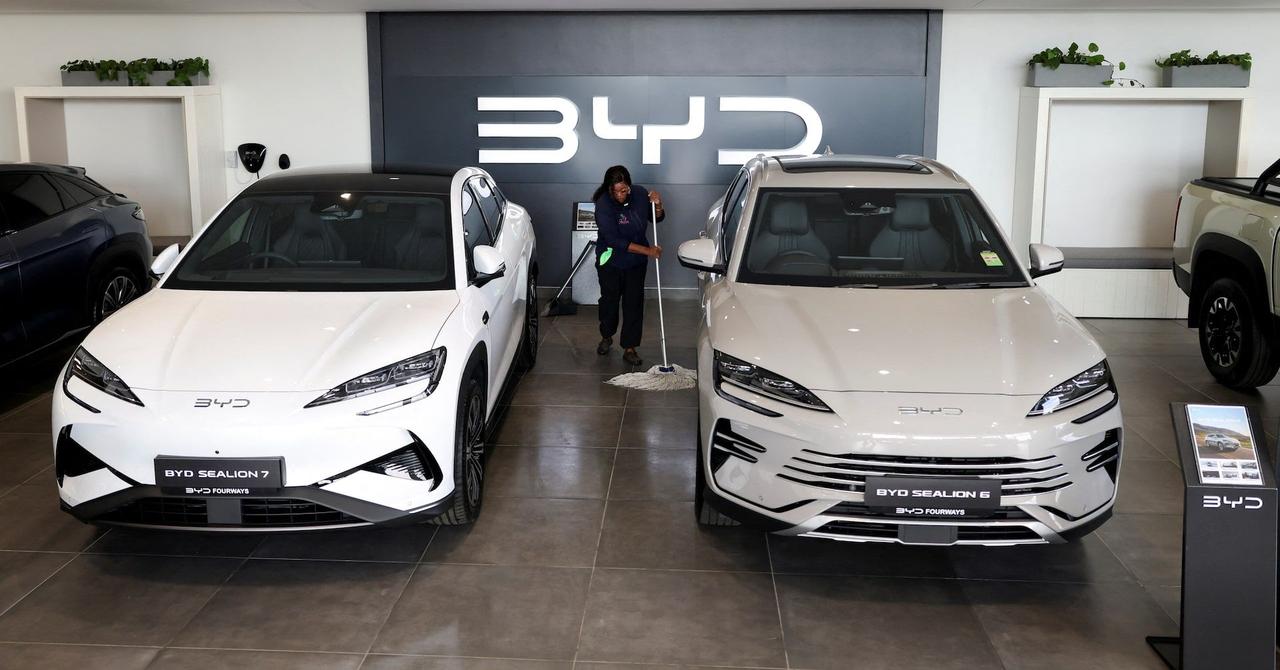
- Huawei, Xiaomi, and BYD have launched EVs with advanced smart-driving software capable of navigating complex city traffic
1
. - Xiaomi's SU7 electric sedan, priced from $29,700, has outsold Tesla's Model 3 in China on a monthly basis and offers enhanced smart-driving features for free
1
. - BYD now provides advanced autonomous-driving features on most of its models at no additional cost, even on vehicles priced as low as $9,555
1
.
Related Stories

Pricing and Customer Reactions
Tesla charges an additional fee of nearly $9,000 for access to a limited version of its FSD software in China
1
. This pricing strategy has led to frustration among some Tesla owners, who feel they are not getting value for money. Lu Panpan, a Tesla owner in Zhejiang province, expressed disappointment after paying 56,000 yuan ($7,720) for FSD software in 2019 and seeing little improvement1
.Future Outlook
Despite the setbacks, Tesla continues to work towards full self-driving approval in China. The company is seeking regulatory approval from Beijing and has plans to develop a data center in China to train algorithms for more fully autonomous vehicles
1
. However, the road ahead remains challenging as Tesla navigates the complex regulatory environment and intense competition in the Chinese EV market.References
Summarized by

Navi
Related Stories
Recent Highlights



Recent Highlights
Today's Top Stories







Don’t drown in AI news. We cut through the noise - filtering, ranking and summarizing the most important AI news, breakthroughs and research daily. Follow topics that matter to you and stay ahead.


