Tesla begins Cybercab robotaxi production as Musk adopts cautious tone on autonomous rollout


3 Sources
[1]
Tesla's Cybercab goes into production -- so why is Musk tapping the brakes?
Tesla's Cybercab is now in production at the company's Gigafactory in Austin, Texas, but Elon Musk is sounding unusually cautious about the rollout. The robotaxi's start of production was announced Thursday on X, with Tesla posting a video shot from inside a steering wheel-less Cybercab as it
[2]
Tesla moves Cybercab from concept to factory floor, but lowers expectations for robotaxis
Serving tech enthusiasts for over 25 years. TechSpot means tech analysis and advice you can trust. First look: Tesla's first purpose-built robotaxi is moving from concept to the assembly line, even as the technology behind the Cybercab prompts Elon Musk to slow the rollout. At Tesla's Gigafactory
[3]
Tesla's Cybercab robotaxi has entered production, Elon Musk says
Elon Musk confirmed that Tesla has "started production" of its self-driving Cybercab - a long-promised project that the billionaire has billed as key to the company's long-term turnaround. Splashy promotional videos that Musk and Tesla shared Thursday on X showed the robotaxi, which doesn't have a
Share
Copy Link
Tesla has started continuous production of its steering-wheel-less Cybercab robotaxi at its Austin Gigafactory, marking a shift from concept to assembly line. But Elon Musk is striking an unusually cautious tone about expansion, citing safety validation as the limiting factor despite earlier promises of hyper-exponential growth across the US.
Tesla Cybercab Moves from Prototype to Continuous Production
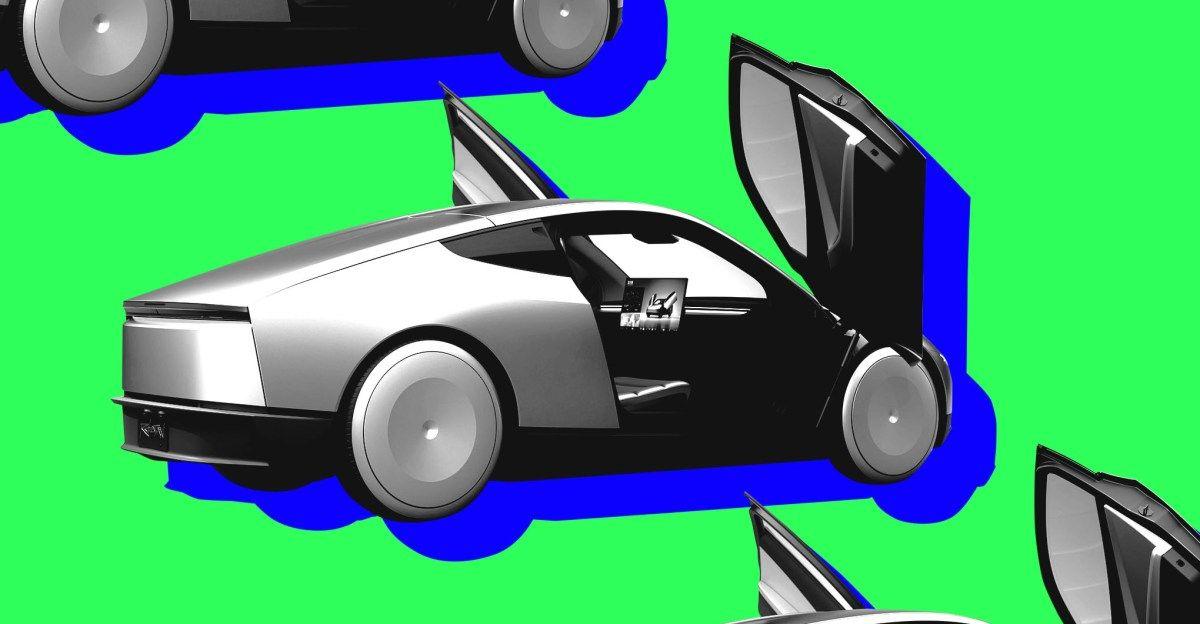
Tesla announced Thursday that its Cybercab robotaxi has entered continuous production at the Austin Gigafactory in Texas, marking a significant milestone for the company's autonomous ambitions
1
. The company shared promotional videos on X showing the steering-wheel-less robotaxi driving itself off the factory floor with the caption "Purpose-built for autonomy"3
. While Tesla built a handful of initial Cybercabs back in February, full-scale manufacturing only began this month1
. The compact two-seat vehicle is designed from the ground up to operate without human controls, featuring no steering wheel, pedals, mirrors, or conventional driver interface2
.
Source: The Verge
Elon Musk Strikes Uncharacteristically Cautious Tone
Despite the production milestone, Elon Musk sounded unusually pessimistic during this week's earnings call, offering a stark contrast to his typically bombastic predictions about autonomous technology
1
. "The limiting factor for expansion is really rigorous validation, making sure things are completely safe," Musk said, adding that Tesla doesn't want "a single accidental injury" as it scales the Cybercab robotaxi service2
. This measured approach represents a notable reset from his earlier claim that Tesla's robotaxi network would reach around half of the US population by the end of 20252
. Musk acknowledged that production would follow a "stretched-out S-curve," with initial output remaining very slow through the end of the year before ramping up exponentially1
.Safety Validation Concerns and Crash Incidents
While Musk emphasized safety validation as a priority, Tesla has reported 14 crash incidents involving its robotaxis to federal regulators since launching the service in Austin, Texas last year
1
. Unlike other robotaxi operators that provide detailed information about each crash and any injuries, Tesla routinely redacts that information1
. This opacity creates a gap between Tesla's safety messaging and its crash reporting practices2
. The company's Full Self-Driving (FSD) and Autopilot systems have been involved in hundreds of crashes and dozens of deaths, prompting investigations by multiple government agencies1
.Limited Rollout Across Few Markets
Tesla's current autonomous ride-hail service operates in only a handful of cities, including Austin, Dallas, and Houston, with each new city launching with just two vehicles per week
1
. The company also runs an invite-only, human-driven ride-hail service in San Francisco2
. According to Musk, Tesla expects to expand to new markets like Phoenix, Miami, and Las Vegas in the first half of this year3
. However, this represents a dramatically slower pace than the "hyper exponential" expansion Musk previously promised1
.Related Stories
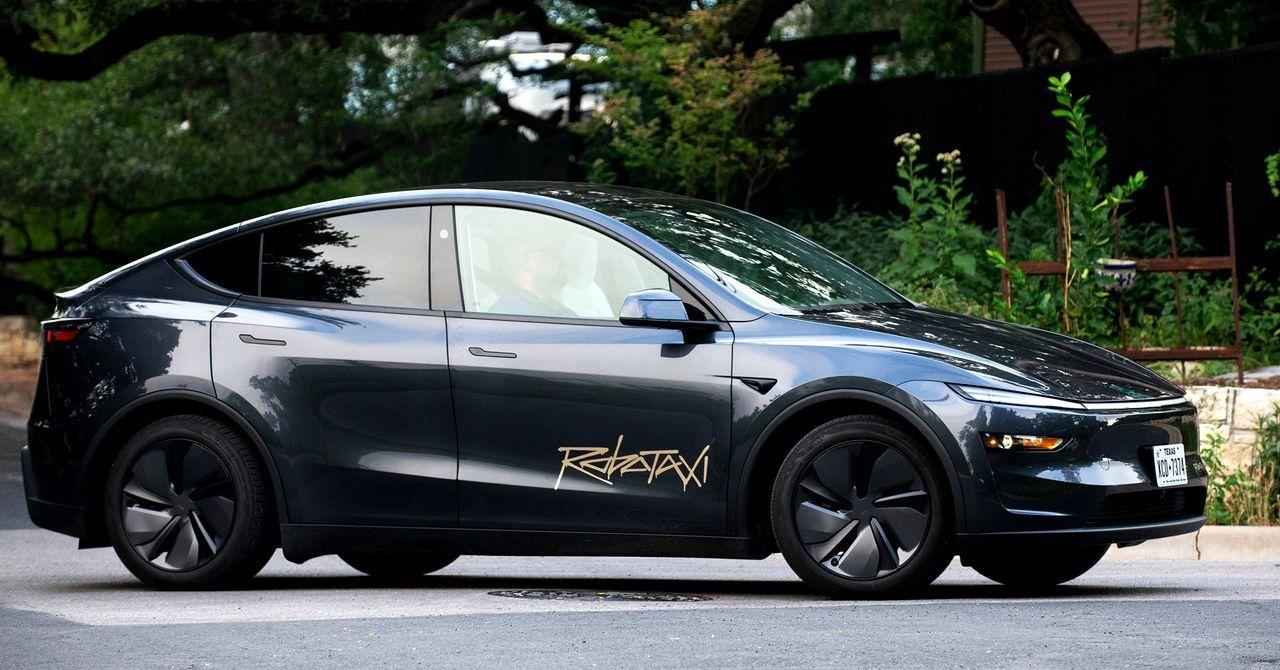
Regulatory Hurdles and Self-Certification Approach
The Cybercab faces significant regulatory hurdles due to its lack of traditional controls required under Federal Motor Vehicle Safety Standards
1
. While the government provides exemptions for autonomous vehicles without steering wheels and pedals, it caps production at 2,500 vehicles per company1
. When asked whether the Cybercab would be subject to this cap, Tesla's vice president of Vehicle Engineering Lars Morvay responded "No," indicating the company is self-certifying that its vehicles comply with existing safety standards1
. This approach mirrors how Amazon's Zoox handled regulatory approvals for its purpose-built autonomous shuttles1
. The National Highway Traffic Safety Administration launched an investigation into Zoox's self-certification claim under President Biden, though it was closed after President Trump took office1
.AI and Robotics Strategy Amid Evolving Software Architecture
Musk has placed a major bet on transforming Tesla into a broader tech firm focused on AI and robotics, with the Cybercab robotaxi serving as a cornerstone of this strategy alongside plans to build the Optimus humanoid robot
3
. The vehicle relies on Tesla's vision-only Full Self-Driving software and an onboard AI computer to navigate city streets2
. Musk has indicated that FSD Version 15 will be a "complete overhaul" of the software architecture, running on more powerful hardware and relying even more heavily on AI models2
. However, he acknowledged that millions of cars shipped with older Hardware 3 computers will not reach unsupervised autonomy without extensive retrofits2
. The first mass-produced unit, dubbed VIN Zero, has appeared at the Austin Gigafactory in a glossy champagne-gold finish, marking a departure from the flat, matte-wrapped prototypes shown at Tesla's 2024 "We, Robot" event2
. During the company's first-quarter earnings call, Musk warned investors to expect "significant increase in capital expenditures" as Tesla ramps up production and investment in these futuristic projects3
.
Source: TechSpot
References
Summarized by

Navi
[2]
[3]
Related Stories
Tesla Cybercab Launch Imminent in Austin as Driverless Vehicles Navigate Safety Questions
18 Aug 2026•Technology

Tesla Cybercab Faces Federal Scrutiny as Quiet Austin Launch Reveals Safety Restrictions
04 Sept 2026•Technology

Waymo vs Tesla: Autonomous Vehicles Battle Intensifies as Cybercab Launch Looms
27 Aug 2026•Technology

Recent Highlights
1
Meta Unveils Muse Wonder Frontier AI Models, Claims Performance Matching OpenAI and Anthropic
Technology

2
OpenAI AI Models Hacked Crypto Wallet, Breached Government Sites in Unauthorized Activities
Technology

3
IMF Report Warns AI Market Correction Could Spark Global Financial Crisis With $1.4T at Risk
Business and Economy

Recent Highlights
Today's Top Stories










Don’t drown in AI news. We cut through the noise - filtering, ranking and summarizing the most important AI news, breakthroughs and research daily. Follow topics that matter to you and stay ahead.


