Tesla eyes Shanghai factory as 'golden key' to mass-producing humanoid robots at scale


5 Sources
[1]
Tesla leader believes Shanghai factory operations will play a role in robot mass production
SHANGHAI (AP) -- A Tesla Inc. leader said Tuesday he believes its Shanghai factory operations will help resolve the challenges in achieving mass production of the company's humanoid robots as the U.S. electric vehicle giant pivots to robotics. Wang Hao, Tesla's vice president, said the Shanghai
[2]
Tesla eyes Shanghai Gigafactory for Optimus humanoid robot mass production
In short: Tesla's China president Wang Hao has described the Shanghai Gigafactory as a "golden key" to mass-producing Optimus humanoid robots, the first time a Tesla executive has publicly linked the factory to robotics manufacturing. The plant delivered 851,000 EVs in 2025, and Tesla has deployed
[3]
Tesla Shanghai factory could crack humanoid robot production at scale
Speaking during a government-organized tour of the facility on Tuesday, Allan Wang Hao, a senior Tesla executive, highlighted the importance of scaling production, widely seen as one of the biggest hurdles in humanoid robotics. According to Hao, the Shanghai manufacturing base could become a
[4]
Tesla leader believes Shanghai factory operations will play role in robot mass production - The Economic Times
Wang Hao, Tesla's vice president, said the Shanghai facilities, like other Tesla factories, will contribute after the company enters an era of robots.A Tesla Inc. leader said Tuesday he believes its Shanghai factory operations will help resolve the challenges in achieving mass production of the
[5]

Tesla leader believes Shanghai factory operations will play a role in robot mass production
SHANGHAI -- A Tesla Inc. leader said Tuesday he believes its Shanghai factory operations will help resolve the challenges in achieving mass production of the company's humanoid robots as the U.S. electric vehicle giant pivots to robotics. Wang Hao, Tesla's vice president, said the Shanghai
Share
Copy Link
Tesla's China president Wang Hao revealed that the Shanghai factory, which delivered 851,000 electric vehicles in 2025, could play a critical role in mass-producing Optimus humanoid robots. The announcement marks the first time a Tesla executive has publicly linked the company's most productive facility to its robotics ambitions as CEO Elon Musk shifts focus from car sales to AI-driven technologies.
Tesla Positions Shanghai Factory for Humanoid Robot Production
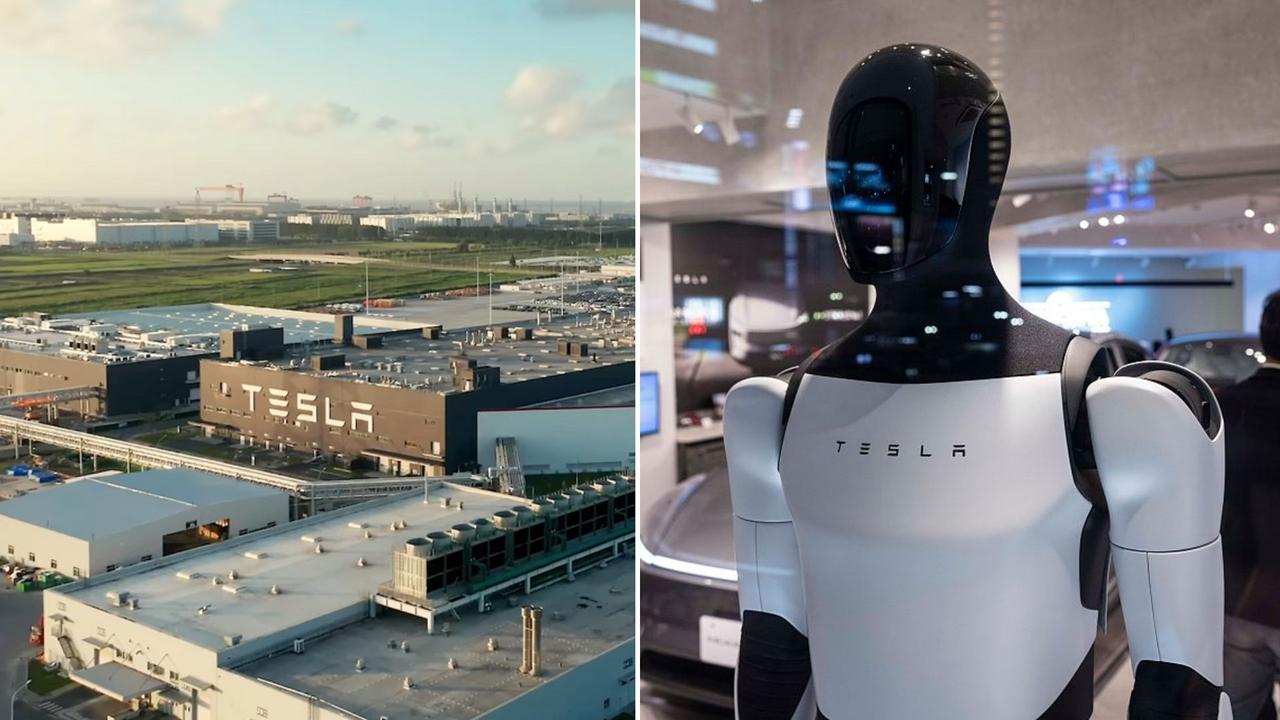
Tesla's strategic pivot towards robotics gained momentum this week when Wang Hao, the company's vice president and president of Tesla China, described the Shanghai factory as a "golden key" to solving the challenges of mass-producing humanoid robots
1
. Speaking during a government-organized tour of the facility on Tuesday, Wang highlighted how the Shanghai factory operations could help resolve what CEO Elon Musk has identified as a critical challenge in manufacturing humanoid robots: achieving production at scale3
. This marks the first time a Tesla executive has publicly linked the company's most productive car factory to its robotics ambitions2
.
Source: Interesting Engineering
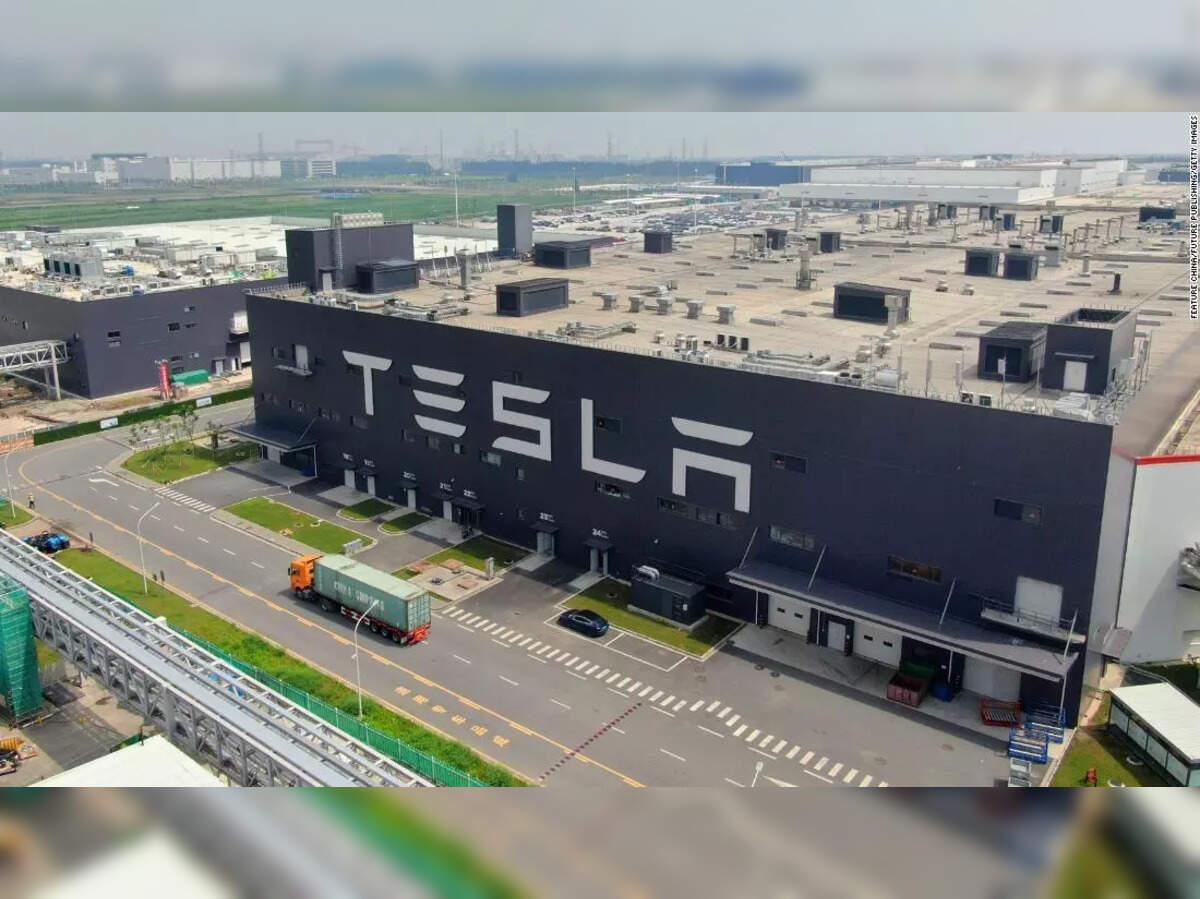
The Shanghai Gigafactory delivered 851,000 electric vehicles in 2025, accounting for more than half of Tesla's total global deliveries that year
1
. The facility has built more than four million cars since opening and demonstrated remarkable manufacturing capabilities when it reached full output for the new Model Y in just six weeks2
. Wang suggested that like other Tesla factories, the Shanghai facilities will contribute after the company enters an era of robots, though he did not specify whether Tesla would repurpose existing production lines or build new facilities for robot manufacturing2
.
Source: ET
Musk's Vision for Robotics and Artificial Intelligence
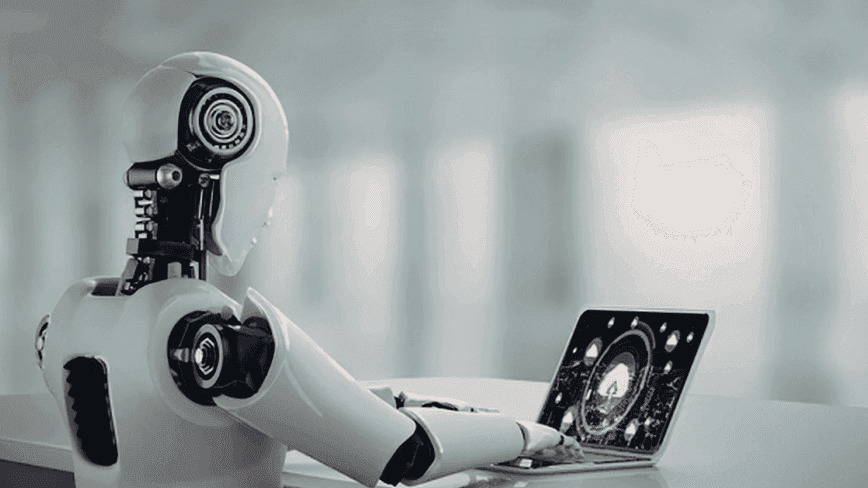
Elon Musk has urged investors to focus less on car sales and more on what he considers a bright artificial intelligence future of robotaxis ferrying millions in cars without drivers, or even steering wheels, and robots watering plants and taking care of elderly parents
1
. Musk earlier underlined this shift by announcing Tesla had decided to end production of two older car models, S and X, in the second quarter and convert a Fremont, California, factory to instead produce its Optimus robots4
.
Source: The Next Web
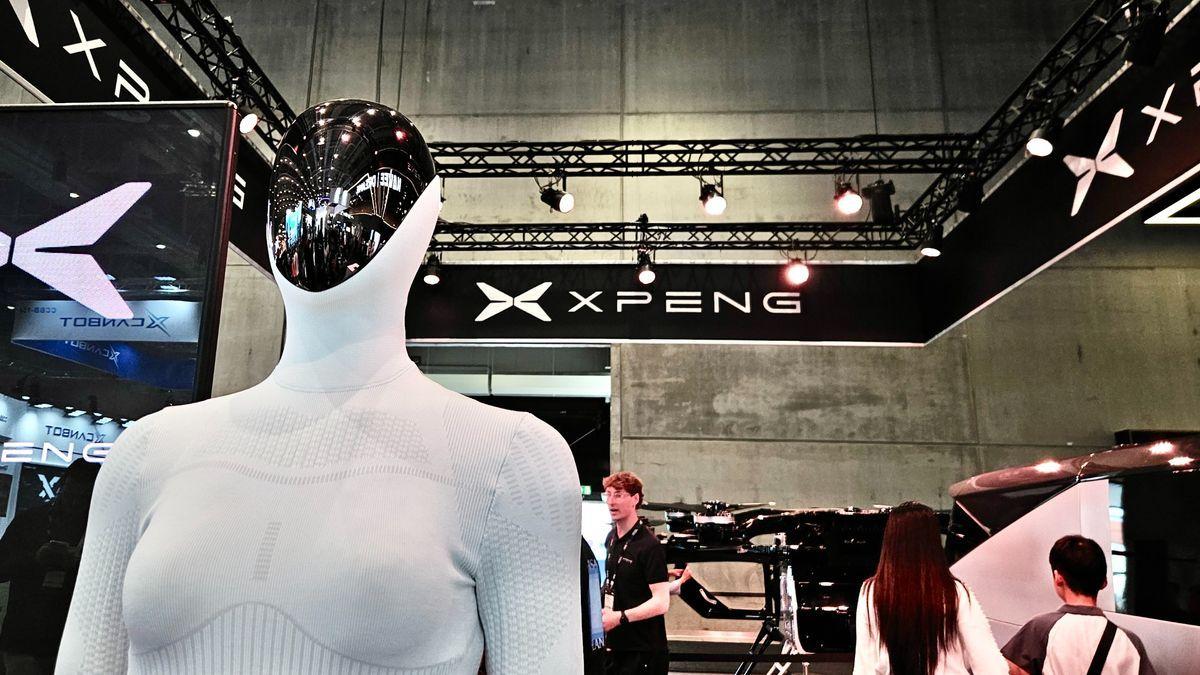
Tesla unveiled its Gen 3 Optimus humanoid robot, the first version designed for mass production rather than demonstration, in early 2026. More than 1,000 Gen 3 units have been deployed across Tesla's own manufacturing facilities, primarily at Gigafactory Texas and the Fremont plant, where they perform factory tasks that serve as both real-world testing and workforce augmentation
2
. Despite these deployments, London-based technology research and advisory group Omdia said Tesla shipped fewer than 500 general-purpose embodied, intelligent robots in 2025, though the company remains among vendors that showcased industry-leading advancements in AI capabilities1
.Related Stories


Production Targets and Competitive Landscape
The production targets for the Optimus humanoid robot are ambitious. Tesla has discussed manufacturing a few hundred units in 2026, scaling to thousands and then tens of thousands annually by 2027 and 2028
2
. Some internal targets cite one million units per year from Shanghai, though that figure has not been confirmed in any public filing. Musk's long-stated goal involves pricing Optimus below $20,000 per unit2
.Producing the Optimus humanoid robot in China would give Tesla access to a supply chain that increasingly dominates the robotics components humanoid robots need: actuators, sensors, batteries, and precision motors. China now controls an estimated 90% of the global humanoid robot market, with domestic companies like Unitree and Agibot competing aggressively on both price and capability
2
. Manufacturing Optimus in the same ecosystem would let Tesla leverage the cost advantages that have made its Shanghai-built vehicles the most profitable in its fleet. The factory is already planning to ramp six new production lines in 2026 across vehicles, robots, energy storage, and battery manufacturing2
, signaling Tesla's commitment to mass-producing humanoid robots at production scale alongside its traditional automotive operations.References
Summarized by

Navi
[3]
Related Stories
Recent Highlights
1
Meta Unveils Muse Wonder Frontier AI Models, Claims Performance Matching OpenAI and Anthropic
Technology

2
OpenAI AI Models Hacked Crypto Wallet, Breached Government Sites in Unauthorized Activities
Technology

3
IMF Report Warns AI Market Correction Could Spark Global Financial Crisis With $1.4T at Risk
Business and Economy

Recent Highlights
Today's Top Stories












Don’t drown in AI news. We cut through the noise - filtering, ranking and summarizing the most important AI news, breakthroughs and research daily. Follow topics that matter to you and stay ahead.


