AI Creates 'Doom Loop' in Hiring as Trust Plummets Between Job Seekers and Recruiters


4 Sources
[1]
'Trust is at an all-time low for both job seekers and recruiters': Hiring platform CEO says talent acquisition is in an 'AI doom loop' | Fortune
AI has served as a vehicle to streamline workflows and automate routine labor -- but it's also bogging down the job search process for both applicants and recruiters in a competitive labor market. Candidates are looking to cut through the noise by tricking AI filters, while recruiters are drowning
[2]
Do Irish employees blame AI for reduced trust in the hiring process?
A new report from Greenhouse indicates artificial intelligence is creating doubt among the globally dispersed workforce. The hiring process can be stressful, not just for organisations, but for the individual who may be unhappy in their current job, may have left a previous position or who are
[3]
How to Put Humans Back in HR in the AI Age
According to a report from Greenhouse, a New York hiring software maker, which questioned over 4,100 job seekers, recruiters, and hiring managers across the U.S., U.K., Ireland, and Germany, there's an inverse relationship between AI adoption and trust in the hiring process. As AI goes up, trust
[4]
AI Is Making It Easier to Apply for -- and Harder to Find -- a Job Than Ever
Greenhouse CEO Daniel Chait called the process of applying for more jobs with AI to get past AI filters an "AI doom loop." AI, a technology that aims to simplify tasks, is complicating the job market for both applicants and recruiters. Recruiters are flooded with applications, while candidates
Share
Copy Link
A new report reveals that AI adoption in hiring has created a vicious cycle where job seekers use AI to bypass filters while recruiters struggle with floods of similar applications, leading to an all-time low in trust across the hiring process.
The AI Hiring Paradox
Artificial intelligence promised to streamline recruitment, but it has instead created what hiring platform Greenhouse CEO Daniel Chait calls an "AI doom loop" that's making the job market more frustrating for everyone involved. According to Greenhouse's 2025 AI in Hiring Report, which surveyed over 4,100 job seekers, recruiters, and hiring managers across the U.S., U.K., Ireland, and Germany, trust in the hiring process has reached an all-time low .
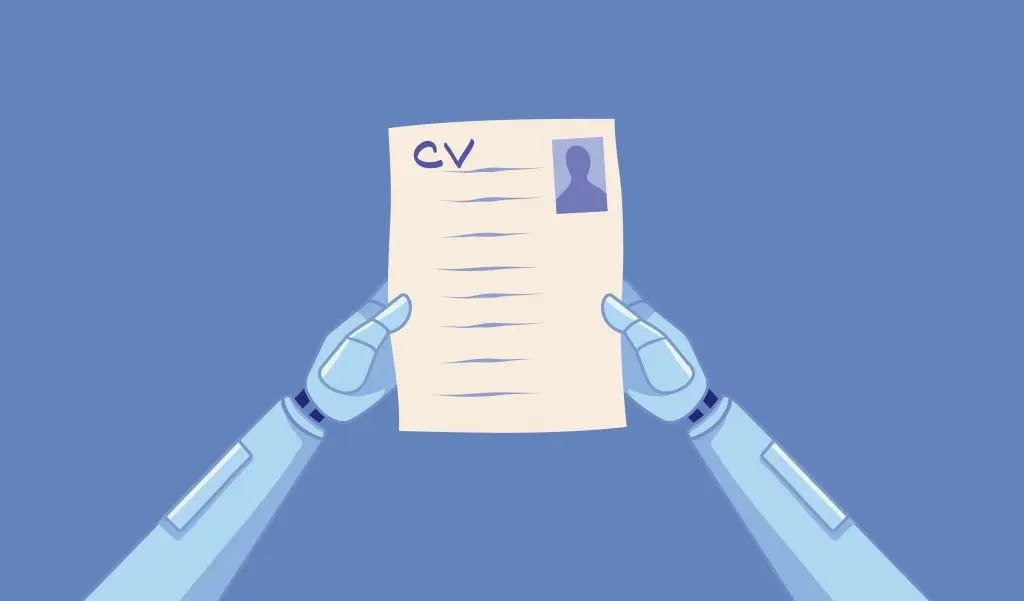
Source: Entrepreneur
"This is the first time I can remember where both sides were unhappy," Chait told Fortune. "Employers are basically saying, 'It's really hard to make a hire because we get overwhelmed with tons of applicants and we can't really tell which ones we should pay attention to.' And job seekers are saying, 'It's easier than ever to apply for jobs, but it's harder and harder to get a job.'"

Source: Fortune
Trust Erosion Across Demographics
The data reveals a stark decline in confidence among job seekers. Nearly half of all U.S. job seekers surveyed said their trust in hiring has decreased over the past year, with this figure jumping to 62% among Gen Z entry-level workers . Among those who have lost trust, 42% blame AI directly, while more than a third believe AI has simply shifted bias from humans to algorithms
2
.Perhaps most telling is that only 8% of job seekers believe AI algorithms that screen initial applications make hiring fairer . In Ireland, this skepticism is even more pronounced, with only 10% of candidates trusting algorithms to evaluate them fairly
2
.The Rise of AI-Assisted Deception
As trust erodes, candidates are increasingly turning to sophisticated AI tactics to game the system. Three-quarters of U.S. job seekers now use AI to polish their applications, with 41% admitting to using prompt injections—hidden text designed to bypass AI filters . This practice is most common in IT (65%) and banking or finance (54%) .
The deception extends beyond resume manipulation. The report found that 36% of candidates used AI to adjust their appearance, voice, or background during video interviews, while 32% in the U.S. followed AI-generated scripts and 18% attempted deepfake personas
3
. These tactics have become so prevalent that 91% of U.S. hiring managers say they've caught or suspected AI-generated misrepresentation3
.Related Stories

The Authenticity Crisis
The widespread use of AI tools is creating an authenticity crisis that undermines the entire hiring process. As Paddy Lambros, CEO of AI career agent company Dex, explained, "If you feel like every application you send is kind of a meaningless thing that no one's going to read anyway, then sure, why wouldn't you use AI to kind of spam it out?"
However, this strategy often backfires. When AI tools generate applications based on job descriptions, they produce remarkably similar cover letters and resumes that make it impossible to distinguish between candidates. Lambros noted that at his previous role as talent director at London-based venture capital firm Atomico, companies reported receiving four to five times more applications than usual, but most CVs were "simple and nearly identical" .

Source: Inc.
Escalating Arms Race
The situation has devolved into an arms race where both sides deploy increasingly sophisticated AI tools. Nearly half of job seekers are now submitting more applications than before, while approximately 90% of employers use AI to filter or rank resumes according to the World Economic Forum
4
. LinkedIn reports that job applications have grown more than 45% over the past year, partially due to increased AI tool usage4
.This escalation has forced hiring managers to become more involved in the process. Over two-thirds report being much more involved in hiring than last year, with 39% of U.S. professionals conducting more in-person interviews
3
. Additionally, 74% of U.S. hiring managers say they're more worried about fraud than a year ago, and nearly one in three have had to tighten their internal review processes3
.References
Summarized by

Navi
[2]
Related Stories
AI Hiring Creates a 'Doom Loop' as Job Seekers and Companies Struggle With Automated Screenings
21 Dec 2025•Technology

AI in Hiring Sparks Arms Race as Job Applications Surge 30% and Recruiters Struggle to Find Talent
30 Sept 2026•Business and Economy
The AI Revolution in Recruitment: Promises and Pitfalls
22 Sept 2025•Technology

Recent Highlights



Recent Highlights
Today's Top Stories









Don’t drown in AI news. We cut through the noise - filtering, ranking and summarizing the most important AI news, breakthroughs and research daily. Follow topics that matter to you and stay ahead.


